
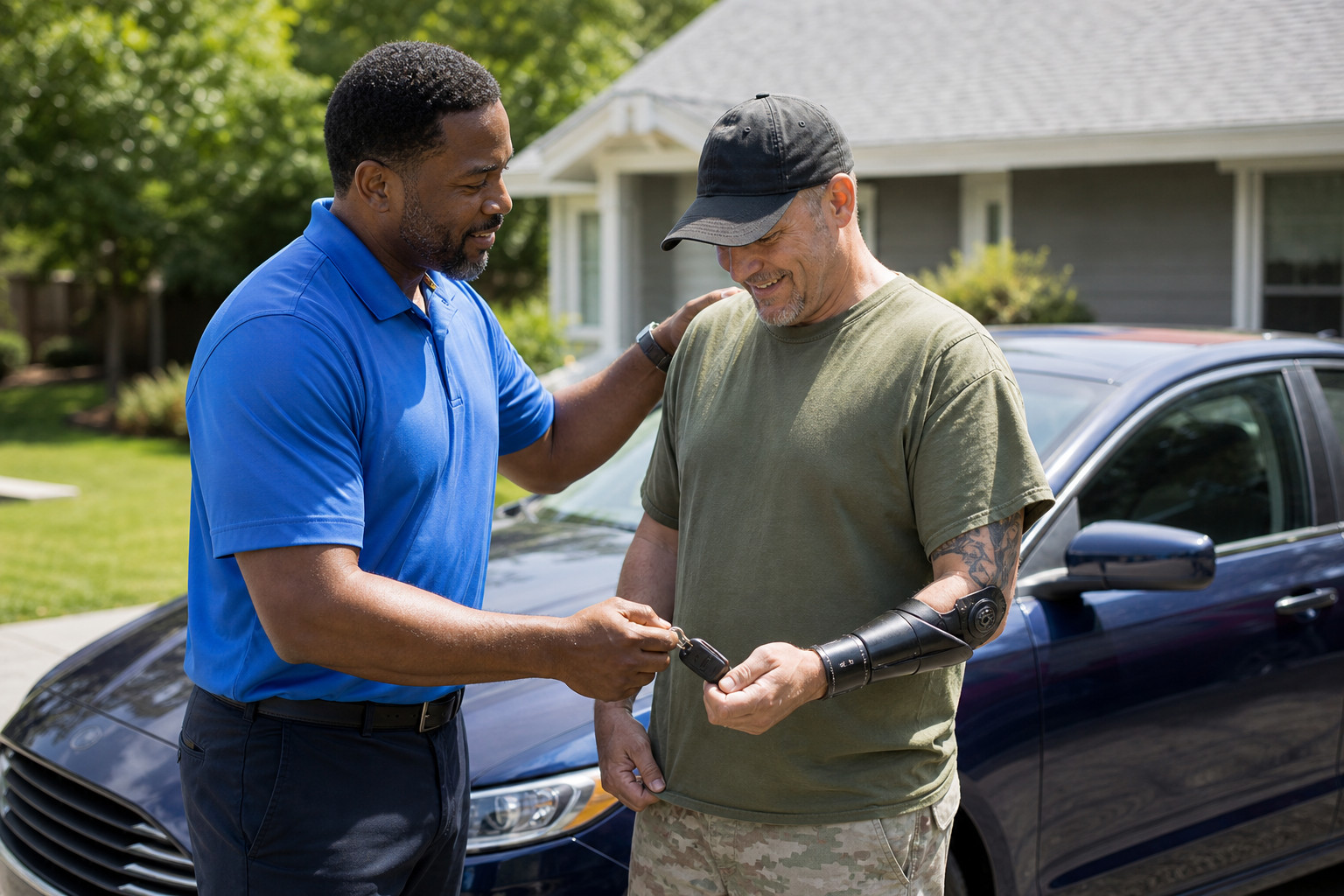
On November 10, 2026, a U.S. Army veteran in Warwick, Rhode Island walked away from a ceremony with something most people take for granted: reliable transportation. What Richard Gagne received that day was more than a vehicle — it was a tangible benefit from a 14-year-old Progressive Insurance program that quietly changes the lives of 100 veterans every year, and that most American drivers have never heard of.
A Warwick Veteran, a New Set of Keys
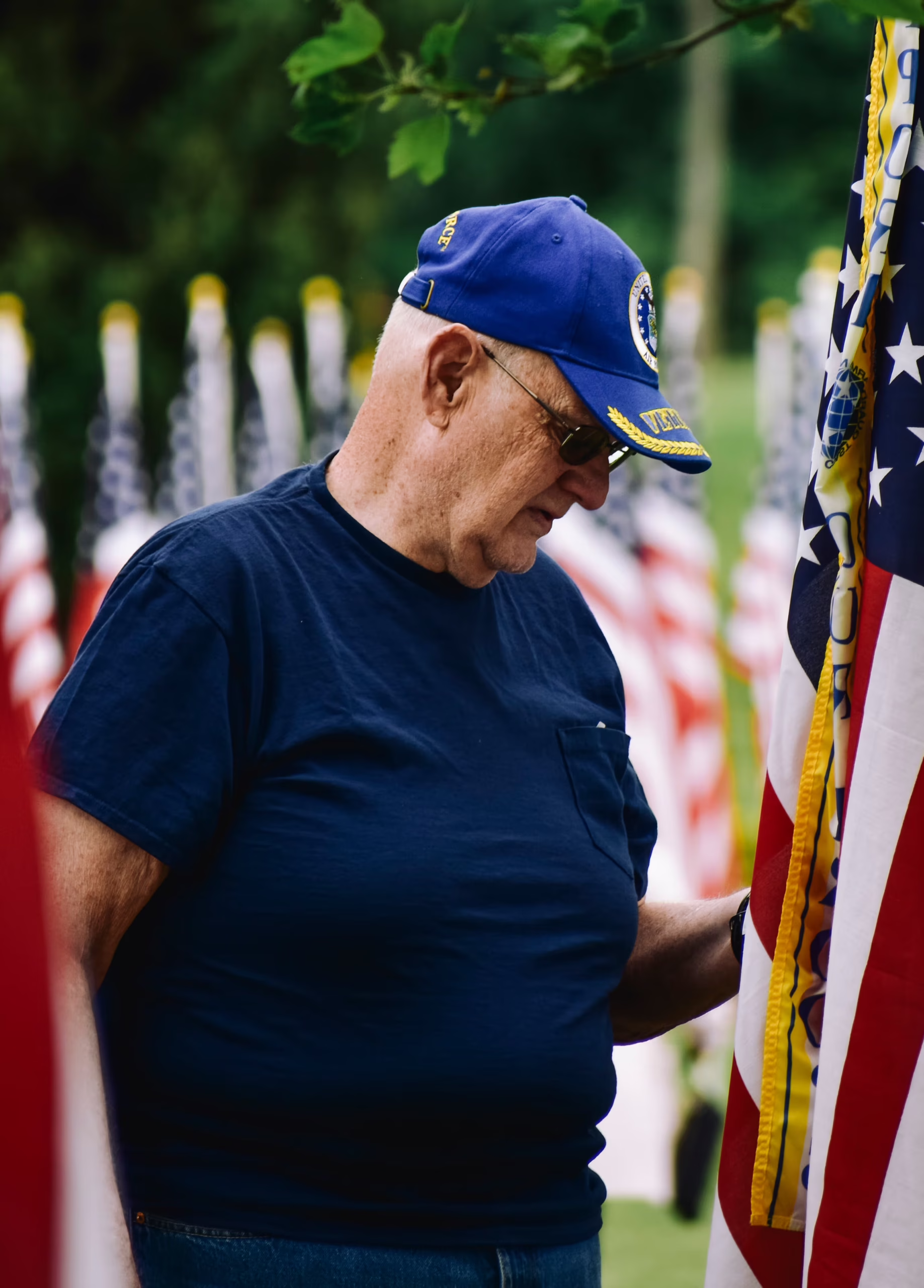
Richard Gagne needed a car the way a lot of veterans need a car — not as a luxury, but as a lifeline. Medical appointments don’t reschedule themselves around broken-down vehicles or unreliable transit, and for veterans managing service-related health needs, consistent access to care can make a meaningful difference in quality of life. Beyond healthcare, Gagne also needed dependable transportation for everyday essentials: grocery runs, errands, and leisure activities including fishing trips that require actually getting somewhere.
When Progressive Insurance presented him with the keys to a brand-new vehicle, the moment was covered by NBC10/turnto10. NBC10 also shared the moment on Facebook and on X, amplifying the story to a broader regional audience. The ceremony carried genuine emotional weight. But the more important story is the structured annual program operating behind it — one that most people scroll past without ever noticing.
What Is Progressive’s Keys to Progress Program?
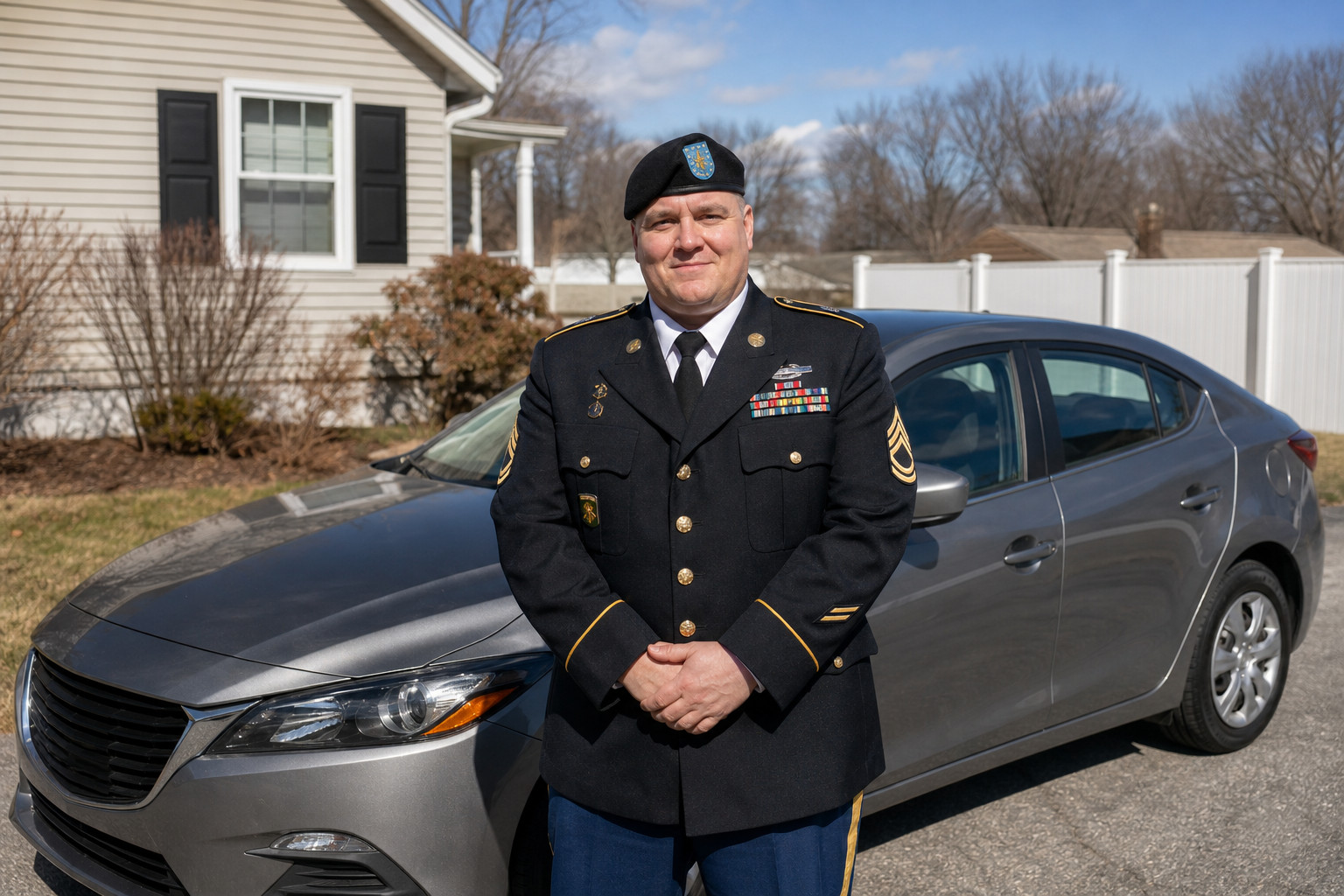
Keys to Progress is Progressive Insurance’s annual vehicle giveaway dedicated exclusively to U.S. military veterans who need reliable transportation. It is not a sweepstakes, not a one-time publicity effort, and not a corporate donation with strings attached. By 2026, it is a 14-year institutional commitment with a defined structure, a consistent scale, and a clear methodology.
The full details are available on Progressive’s official Keys to Progress page, but the core mechanics are straightforward: Progressive purchases recent-model used vehicles through Enterprise, keeping the vehicles reliable and modern without the cost ceiling of brand-new cars off a dealer lot. Those vehicles are then awarded to 100 veterans across the country each year.
What each recipient receives goes beyond the vehicle itself:
- A recent-model used vehicle sourced through Enterprise
- Gift packs valued at approximately $2,000 to help cover immediate post-award costs
- A 12-month powertrain protection or coverage plan to reduce the financial risk of early mechanical issues
- Six months of additional support to help recipients navigate the transition into ownership
That last detail matters more than it might appear. Receiving a vehicle is one thing. Being able to keep it insured, fueled, and on the road is another. The package is specifically structured to make ownership sustainable, not merely symbolic — closing the gap between handing someone keys and actually improving their daily life.
How Progressive Finds Veterans Like Richard Gagne
Progressive does not simply advertise the program and wait for applications. The company works directly with military organizations and veteran-serving charities to identify candidates who genuinely need transportation and would benefit most from receiving it. Vetting happens at the partner organization level, meaning recipients are matched based on demonstrated need rather than a random draw.
Gagne’s circumstances — the need for consistent medical access and the absence of reliable transportation — reflect precisely the profile the program is built to reach. Veterans who face this kind of practical barrier often don’t have a visible crisis that attracts attention. They simply manage, quietly, with less than they need.
Veterans, family members, or community advocates who want to explore whether someone they know might qualify can reach Progressive’s dedicated line at 1-855-758-0941. Military and veteran-serving organizations interested in becoming partner organizations to nominate eligible recipients can inquire through the same channel.
The 14th Annual Giveaway: From Warwick to Oahu
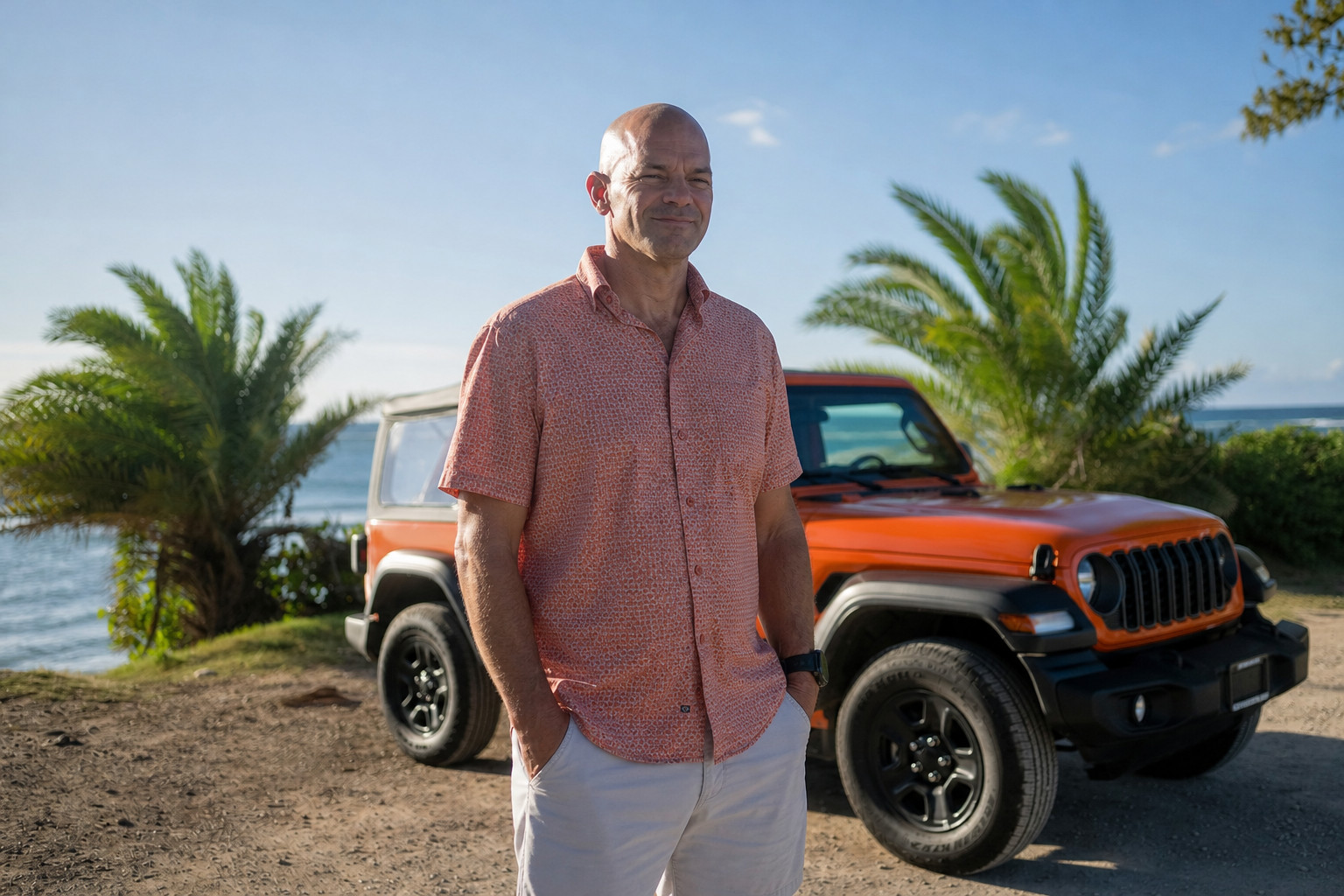
Richard Gagne’s award in Warwick was one of 100 presentations taking place across the country as part of the 14th annual Keys to Progress giveaway cycle. On the other side of the country, Progressive separately presented vehicles to William A. Noh and Alexa N. Holloway during an event in Oahu as part of the same annual iteration.
From Rhode Island to Hawaii, the program is reaching veterans in vastly different communities navigating the same underlying problem: not having a car when you need one. The timing of the giveaway also reflects intentional program design. The annual distribution consistently falls in the period surrounding Veterans Day — a decision that is both symbolically appropriate and practically useful for raising public awareness.
Why Transportation Is a Hidden Crisis for Many Veterans
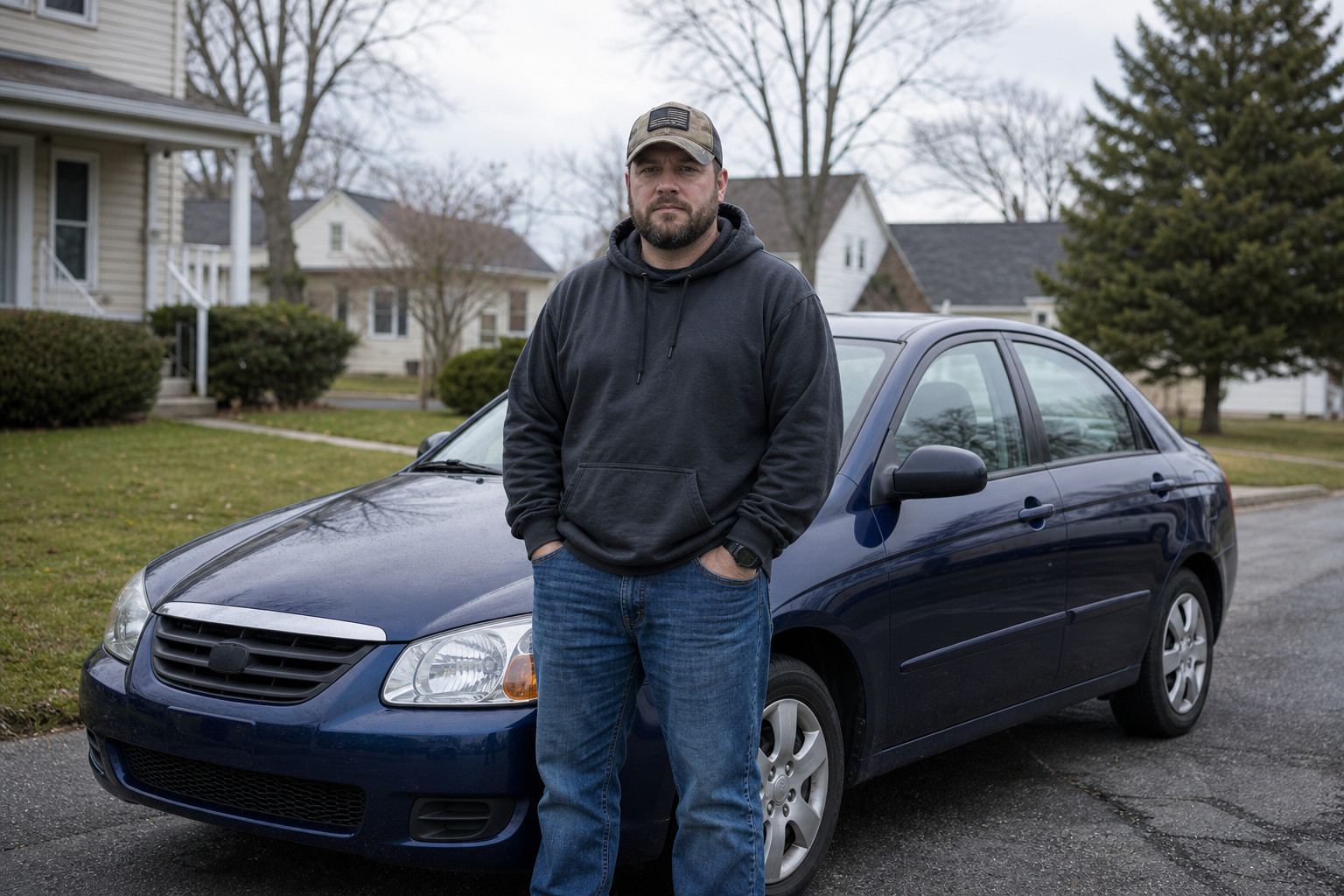
Lack of reliable transportation is one of the most underreported barriers veterans face, both when transitioning to civilian life and when managing long-term service-related health needs. VA medical facilities are often located miles from where veterans live, and for those without a working vehicle, a routine appointment can require navigating transit systems that weren’t designed with their schedules or mobility needs in mind.
The consequences compound quickly. Miss enough appointments and health conditions go unmanaged. Lack a vehicle and job searches stall. Lose the ability to run basic errands independently and social isolation sets in. These are not abstract outcomes — they are the lived reality for veterans who fall through the gap between the support systems designed to help them and the practical logistics that determine whether that help is actually accessible.
Programs like Keys to Progress address a tangible need that cash assistance or housing support alone cannot solve. A car is not a metaphor. It is the difference between getting to the doctor and not getting to the doctor.
How to Nominate a Veteran — or Learn More
With 100 vehicles awarded every year and a 14-year track record, Keys to Progress is an ongoing program — not a past effort or a pilot initiative. That means coverage of Richard Gagne’s award is not just a news story. It is an actionable prompt for anyone who knows a veteran who could benefit.
The most direct path forward is through Progressive’s dedicated contact line at 1-855-758-0941, which handles inquiries from both individuals and organizations. Veterans service organizations and military charities can inquire about partnership status to become official nomination channels. Family members, neighbors, and community workers who want to advocate for a specific veteran are best served by connecting with an established veteran service organization that already has a relationship with the program.
The program’s consistent annual cycle means that if this year’s round has already closed, the next one is already in planning. Veterans in the greater Boston area looking to connect with peer networks and local veteran-serving organizations can explore upcoming events through regional veteran community groups as a starting point for identifying nomination pathways.
Richard Gagne drove home from that November ceremony in Warwick with something that will shape his daily life for years. For the veterans around the country still waiting for the same kind of break — and for the people who care about them — knowing this program exists is the first step.