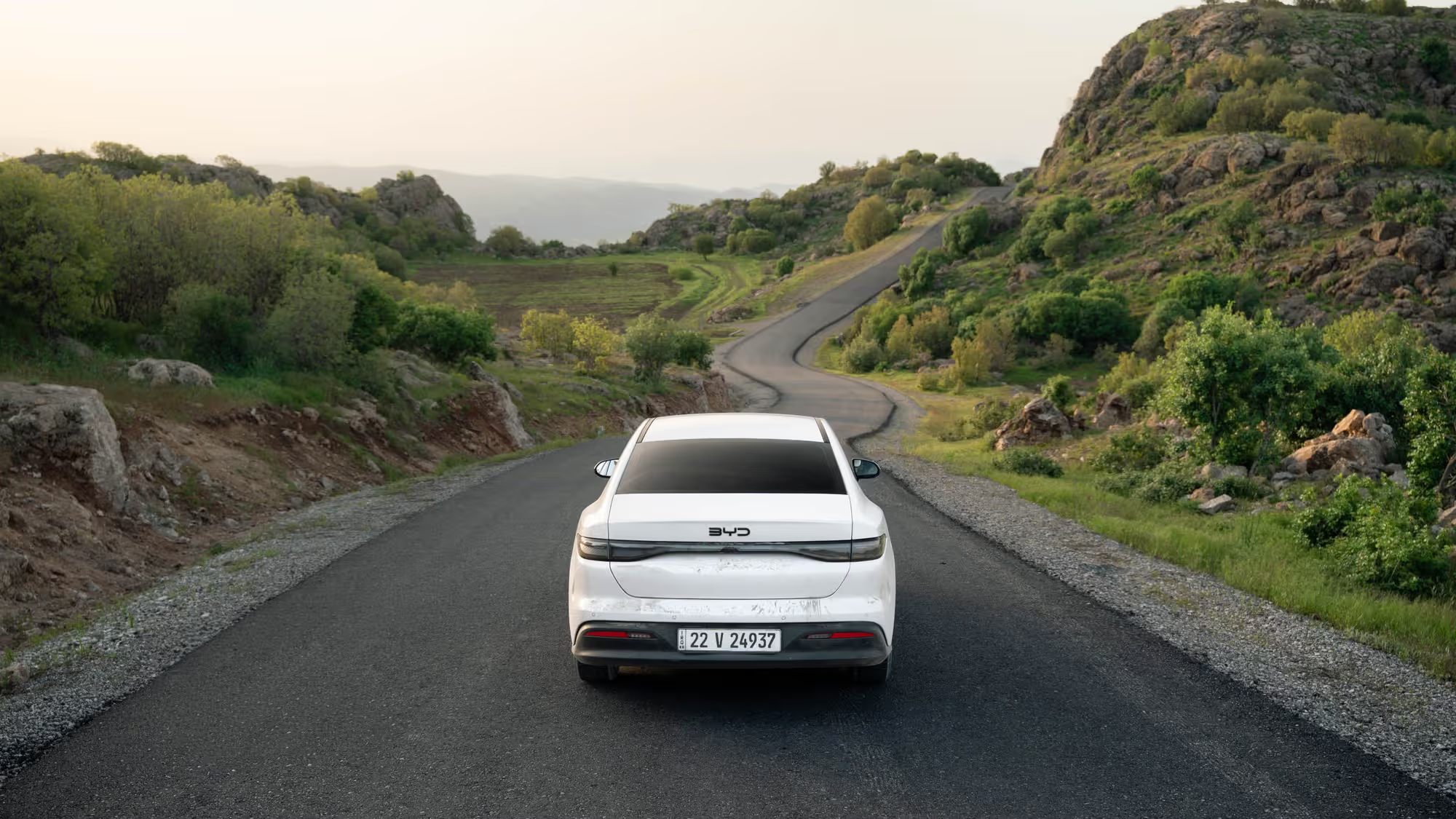
Walk into a car dealership in Sydney or Melbourne today, and something unexpected catches the eye: the bestselling electric vehicles on the lot carry names like BYD, MG, and GWM Ora — brands that most Americans couldn’t identify in a lineup, let alone spell. While U.S. headlines stay fixed on Tesla’s latest moves, a quiet but consequential shift has already played out on the other side of the world.
The Numbers That Tell the Story

In August 2026, electric vehicles reached 24.9% of Australia’s new-vehicle market — the first time in the country’s history that EVs outsold petrol-powered cars. That month, every Chinese brand sitting in Australia’s EV top ten posted growth. This was not a one-brand fluke or a single lucky month. It was a collective surge pointing to something structural.
The momentum continued. By October, electric vehicles had outsold gasoline-powered cars in Australia for a third consecutive month, cementing what analysts might cautiously call a turning point. Three months in a row is not a statistical anomaly — it is a new pattern.
Compare that to the American experience: Tesla still commands EV sales with no serious domestic rival, and Chinese brands face import tariffs so steep they are effectively locked out of the market entirely. Australia, by contrast, has become a living experiment in what happens when Chinese electric vehicles compete freely and openly. The results are striking.
Meet the Brands Leading the Charge

BYD — Build Your Dreams — is a Shenzhen-based automaker backed by Warren Buffett’s Berkshire Hathaway and, by volume, one of the world’s largest sellers of electric vehicles. In Australia, models like the Atto 3 SUV and the Seal sedan have found a receptive audience by delivering competitive features at price points that undercut much of the established competition. BYD is not a scrappy startup; it is a manufacturing giant that has spent years refining its cost structure and battery technology.
MG carries a name that feels almost nostalgic to older British and Australian buyers — the marque once stood for affordable British sportscars. Today, MG is owned by SAIC Motor, one of China’s largest state-backed automakers. That blend of familiar branding and Chinese manufacturing efficiency has worked well in Australia. The MG4 hatchback has become a consistent top-seller in the country’s EV segment, appealing to buyers who want a recognizable nameplate at a genuinely accessible price.
GWM Ora and other emerging Chinese nameplates round out an increasingly broad field. This is not a two-horse race. The Chinese presence in Australia’s EV market spans multiple brands competing across different segments and price ranges.
What is notably absent from the top of the EV charts is a strong showing from U.S. and European legacy automakers. Ford, Volkswagen, and others have been slower to deliver affordable, right-hand-drive EV options to the Australian market, leaving a gap that Chinese manufacturers were strategically prepared to fill.
Why Australia? The Conditions That Made This Possible
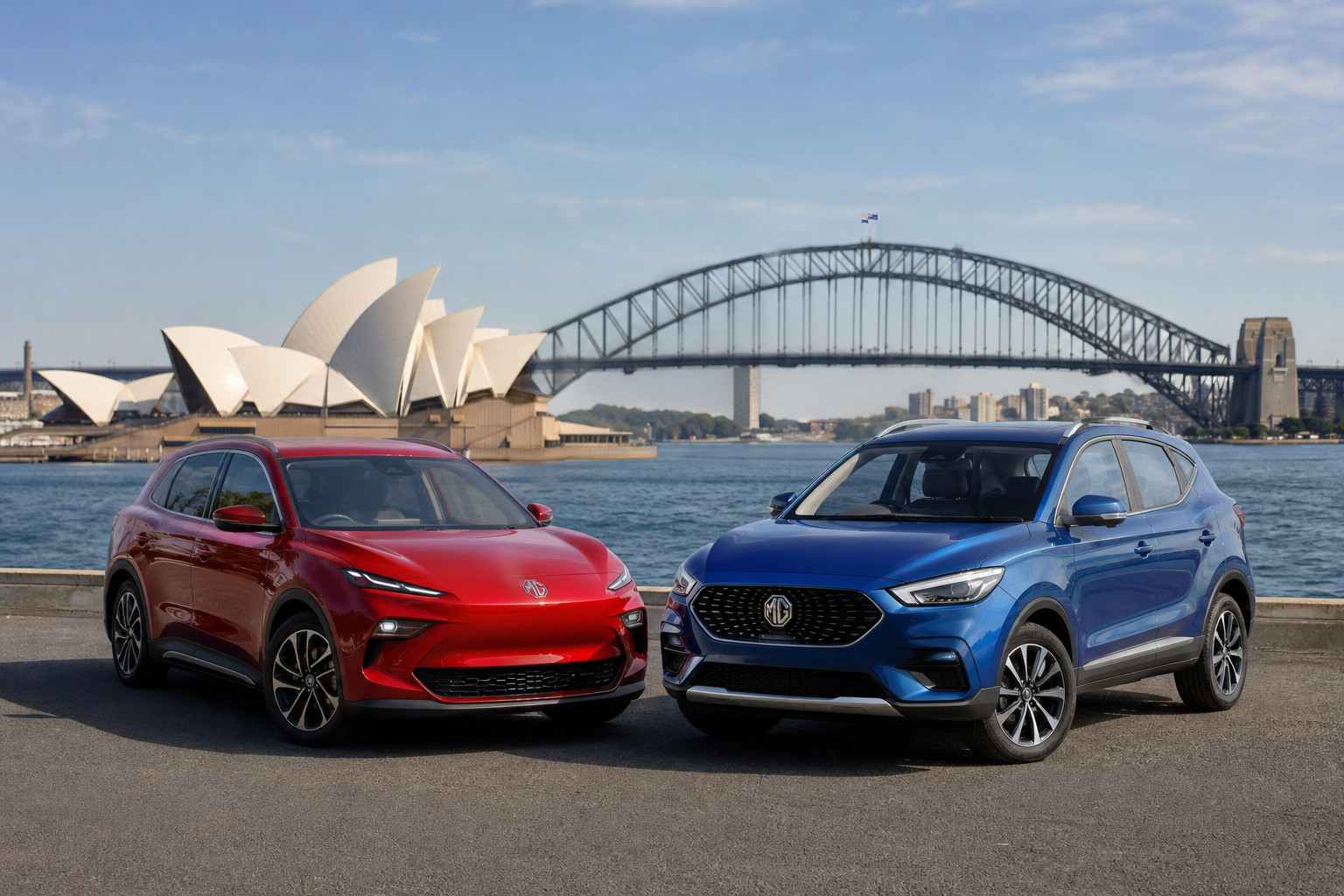
Australia did not become a Chinese EV stronghold by accident. Several conditions aligned to make it one of the most accessible and attractive export markets China’s automakers could target.
- No punishing tariffs. The United States levies tariffs of around 100% on Chinese-made EVs. The European Union has imposed additional duties of up to 45%. Australia has no equivalent barrier, meaning Chinese electric vehicles arrive priced to compete on their actual merits rather than being artificially inflated out of reach.
- Right-hand-drive investment. Australia’s requirement for right-hand-drive vehicles once limited Chinese exports, since most Chinese domestic-market cars are built for the left side. Manufacturers like BYD and MG invested specifically to engineer and certify right-hand-drive variants — a signal of serious long-term strategic intent rather than opportunistic exporting.
- Government incentives. Federal and state-level EV rebates in Australia have lowered purchase prices further. Chinese brands positioned their models squarely within the price bands those rebates covered most effectively, a savvy piece of market positioning.
- Australian consumer culture. Australians have historically been pragmatic car buyers. Value, reliability, and practicality tend to outweigh badge prestige — a disposition that is an almost perfect fit for Chinese EVs, which offer generous features and solid build quality at prices below what many European and American rivals charge.
What This Means for Tesla and Legacy Automakers
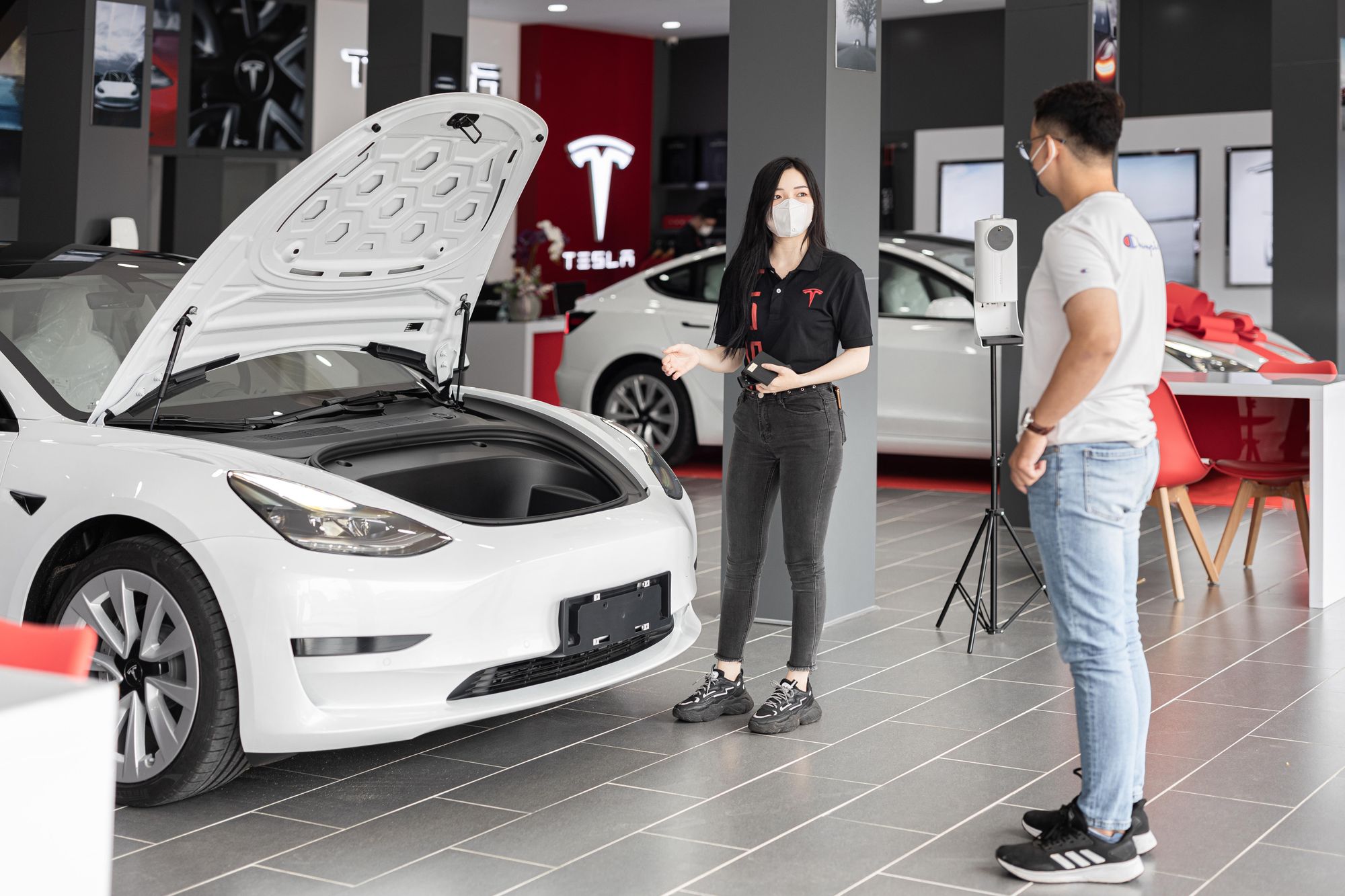
Tesla is no longer the default EV choice in Australia. BYD and MG have steadily eroded its market share by offering vehicles that undercut Tesla’s pricing while matching key features that buyers use day to day. The psychological shift matters as much as the sales data: where Tesla once represented the obvious aspirational EV purchase, it now has to fight for consideration against credible, well-priced alternatives.
Legacy automakers — Toyota, Mazda, Hyundai — remain dominant in Australia’s overall new-car volumes, but they have been slow to develop competitive EV lineups. That hesitation has effectively ceded the fastest-growing segment of the market to newcomers who arrived prepared.
Tesla’s response in competitive markets has included price cuts and accelerated model refreshes, tactics the company deployed when facing Chinese rivals in China itself. That pattern suggests Tesla’s leadership recognizes that Chinese brands are not a regional curiosity but a genuine global competitive force in every open market.
China’s Global EV Export Strategy and What Comes Next
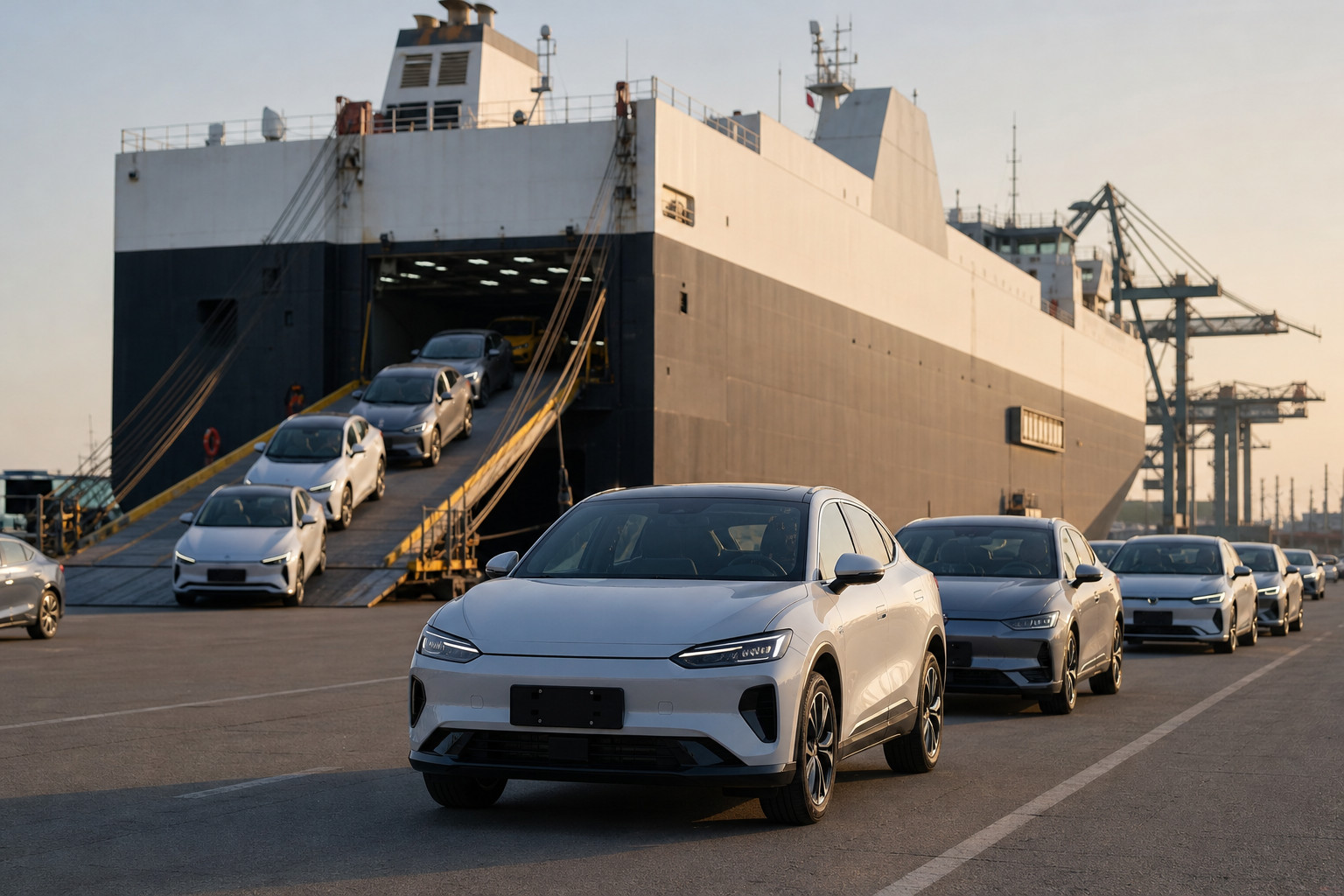
Australia offers one of the clearest windows available into what trade-open markets look like when Chinese EVs compete without restriction. The picture is a potential roadmap for Southeast Asia, Latin America, and parts of Africa — any region where import barriers are low and EV adoption is beginning to accelerate.
China’s EV export growth reflects deliberate industrial policy as much as market forces. State subsidies helped Chinese automakers scale manufacturing to a cost base that few Western rivals can currently match. The result is a situation where Chinese brands can price competitively, invest in market-specific engineering such as right-hand drive, and still pursue sustainable margins.
The geopolitical contours are clear. The United States and the European Union have chosen tariffs as their primary defense, buying time for domestic industries to respond. Countries without that shield are being reshaped by Chinese automotive exports right now, often faster than policymakers anticipated. Australia is the most visible example.
The stakes are significant. Whichever brands establish loyalty and service infrastructure during these early EV-adoption years will be difficult to displace later. Brand loyalty in the automotive industry is sticky — buyers who have positive first experiences with a marque tend to return to it. Australia may already be a substantially won market for Chinese automakers, with the loyalty groundwork laid and deepening with every new registration.
Looking ahead, the questions worth tracking include whether Australia’s EV share continues climbing past 25% of all new-car sales, which Chinese brands break into the top five overall sellers rather than just the EV segment, and whether BYD’s broader push into right-hand-drive markets globally uses Australia as a proven proof-of-concept for something much larger. For anyone watching the global EV race through a Tesla-shaped lens, Australia is a steady, quietly insistent reminder that the race looks very different from the other side of the world.