The Porsche 911 is one of the most recognisable names in automotive history — and it was never supposed to exist. Porsche was forced to invent it within a matter of months, because a French automaker had quietly locked down the name the Stuttgart engineers actually wanted.
The Name Porsche Never Planned to Change
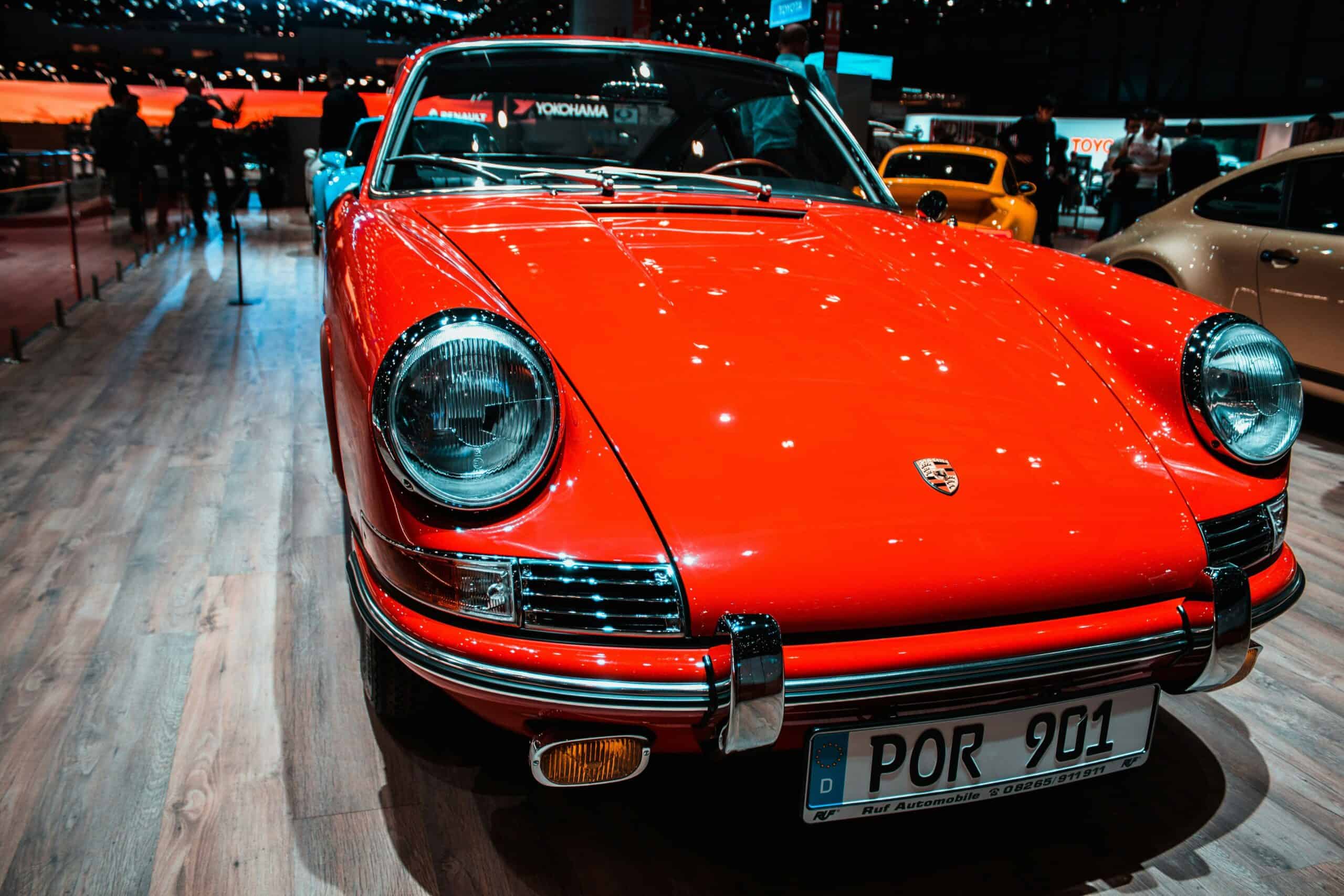
When Porsche unveiled its new flat-six sports car at the 1963 Frankfurt Motor Show, the badge read 901. That was not a placeholder or a development code. It followed Porsche’s internal project numbering directly, and the engineering team had every intention of selling the car under that name. The 901 was the deliberate, considered successor to the 356 — a clean break in platform, engine configuration, and commercial identity.
Within months, that name was gone. Not because of a marketing rethink, a focus group, or a boardroom disagreement. It disappeared because Peugeot held trademark rights Porsche had not accounted for, and the legal position was clear enough that Porsche did not contest it.
The replacement — 911 — has since become arguably the most recognisable sports car nameplate in history. That makes the legal scramble behind it all the more striking. The answer to why is the Porsche called a 911 has nothing to do with engineering philosophy or brand strategy. It has everything to do with a trademark Peugeot had already secured before Porsche’s new car ever reached a showroom.
What Peugeot Actually Claimed — and Why It Held Up
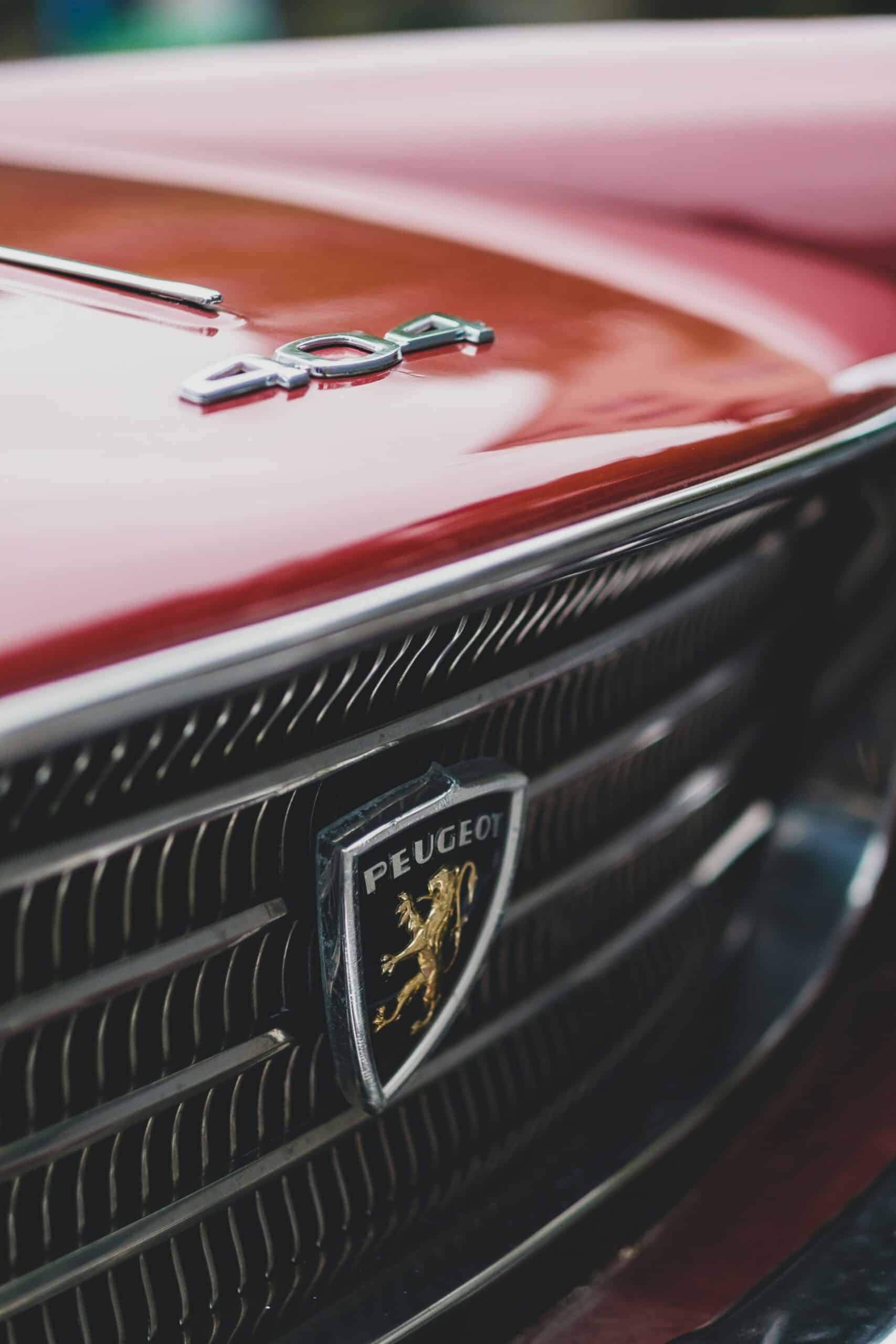
Peugeot’s position was straightforward and well-founded. The French manufacturer held trademark rights over three-digit car names in which the middle digit is zero — the X0X format. Look at Peugeot’s own post-war model range and the logic is immediately clear: 104, 204, 304, 404, 504. That naming convention was not incidental; it was Peugeot’s entire commercial identity in the passenger car market, applied consistently enough across enough years to make it legally defensible as a protected identifier in key European markets.
Porsche’s 901 fell squarely inside that protected format. The objection was not aggressive or opportunistic — it was a legitimate assertion of a naming convention Peugeot had built its model range around. The documented account of the dispute confirms Peugeot’s claim covered three-digit names with a central zero, and Porsche’s new car fit that description exactly.
Porsche did not challenge the claim in court. The commercial and legal calculus clearly favoured a fast rename over a prolonged dispute with an established manufacturer in markets Porsche needed. That pragmatism matters: it tells you this was not a close call that Porsche reluctantly conceded. It was a situation with a clear resolution, and Porsche took it.
It is also worth noting what the dispute was not. There was no suggestion that Peugeot manufactured the same type of vehicle, that consumers would confuse the two brands, or that Peugeot acted in bad faith. The claim was purely about naming rights — a registration Peugeot held and was entitled to enforce.
82 Cars That Wore the Wrong Name
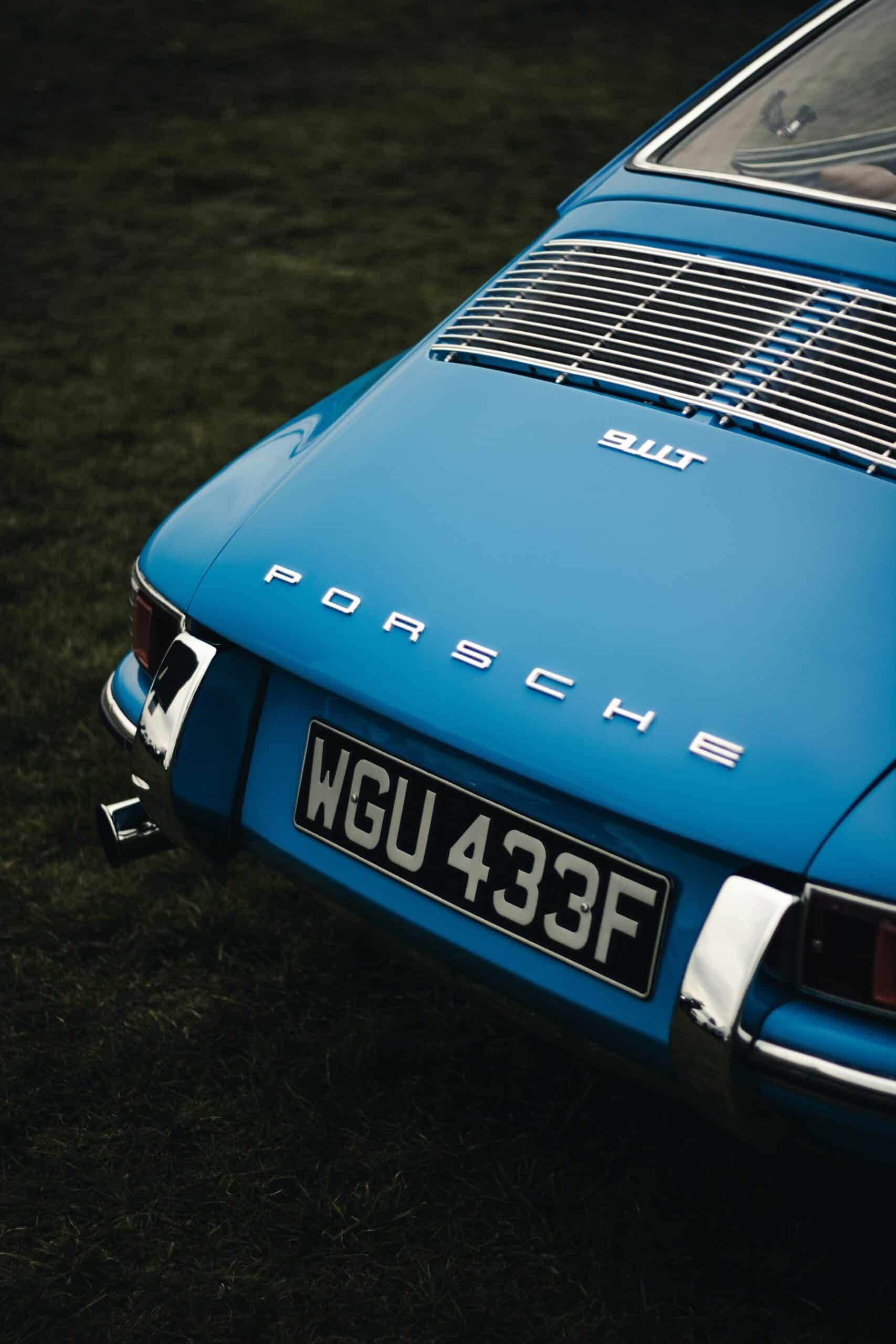
Before the rename was finalised, Porsche had already built 82 units badged as the 901. That is a documented production figure, not an estimate. Those 82 cars represent the entire output of the 901 as a named model — a vanishingly small run against total 911 production, which continued well beyond that by the mid-2020s.
It is worth being precise about what those 82 cars actually are. The 901 and the early 911 were mechanically identical. The distinction between a surviving 901-badged example and an early 911 is a matter of the badge alone — there is no engineering divergence between them. That makes the 901 a documented historical footnote rather than a separate model variant with different specifications.
On the question of values: no verified public auction result for a 901-badged example is cited here, because any figure without a dated, sourced result from a named auction house would be speculation. What can be said with confidence is that rarity — 82 units produced, with an unknown proportion surviving six decades of use and storage — combined with documented provenance would make a genuine 901 badge significant to serious collectors. Any specific valuation you encounter without a primary source should be treated with caution.
Why ‘911’ and Not Something Else Entirely
Porsche’s internal solution was economical: change only the middle digit, preserve the rest of the naming architecture, and move on. The jump from 901 to 911 kept the three-digit format intact, retained the ‘9’ prefix Porsche used to signal its top-tier road cars, and stepped cleanly outside Peugeot’s protected X0X template. Road & Track’s account of the rename confirms the solution was exactly that direct — a minimal change that resolved the legal problem without disrupting the car’s identity or its production timeline.
There is no documented evidence that Porsche considered a wholesale rebrand — reverting to a 356-successor designation or adopting an entirely new naming series. The 911 fix was apparently swift, uncontested internally, and permanent. The option numbering for other models in the range was updated at the same time, with any other internal designations using the X0X format revised to avoid the same conflict.
The outcome deserves a moment’s reflection. ‘911’ turned out to be more distinctive and more memorable than ‘901’ could plausibly have become. It is an accidental branding result, produced entirely by legal compulsion. Porsche did not select the stronger name through deliberate strategy — it was pressed into it.
The 911 Nameplate in Continuous Production
The 911 has been in uninterrupted production for over six decades, spanning multiple distinct generations — the original F-series through to the 964, 993, 996, 997, 991, 992, and subsequent variants. That tenure is matched by almost no other sports car model in production history. Porsche’s own Classic documentation traces the lineage back to the original 901/911 F-series, treating the two names as a single continuous model rather than a discontinuity.
Every time Porsche has faced external pressure — to abandon the rear-engine layout, to rationalise the line into something more conventional, to replace the nameplate — the 911 designation has functioned as an anchor. The brand has accumulated substantial equity in those three digits through consistent engineering investment across six decades. That equity started, indirectly, the moment Peugeot enforced its trademark and forced Porsche’s hand.
For anyone buying or evaluating a 911 today, the name’s origin has no bearing on reliability, running costs, or resale trajectory. What it does illustrate is that the car’s identity was never incidental. Porsche committed to those three digits under legal pressure and has sustained them through every generation since — a more durable origin story than most badges carry.
A Practical Note on Production Records and Documentation
The correct starting point for 911 production history is the 1963 Frankfurt Motor Show debut, but every official record runs under ‘911’. The 82 pre-rename cars exist in official production records as 901-badged units rather than as an ambiguous gap in documentation.
If you are researching an early car’s history, or working with ownership documents from the first production years, the distinction matters. A car described as a ‘901’ outside the context of those 82 pre-rename units warrants scrutiny. The model was renamed before it reached customers at scale, so any ‘901’ reference in later documentation — particularly in private sale listings or informal provenance claims — should be verified against primary sources before being accepted at face value.
The Peugeot-Porsche situation is also a useful reminder that automotive naming disputes are not unusual. Manufacturers regularly encounter conflicts over model names, particularly as global registration requirements demand earlier and more thorough trademark searches. The practical consequences for buyers can include a single model sold under different names in different markets, which can complicate parts sourcing, insurance documentation, and cross-border resale. In this case, the rename happened cleanly and early enough that no such confusion arose — but the episode illustrates why trademark clearance is now standard practice before any model name reaches a production badge.
Bottom Line
Porsche did not choose ‘911’ because it was the strongest name available. It chose ‘911’ because ‘901’ was legally untenable and the rename had to happen quickly enough not to derail the car’s commercial launch. The 82 surviving 901-badged cars are a documented historical curiosity; every 911 that followed is the same car, carrying a name that converted a legal obligation into a permanent icon.
Peugeot’s trademark claim was entirely legitimate. Porsche’s response was pragmatic and fast. The result — by any measure — was the right name for the right car, arrived at for entirely the wrong reasons.