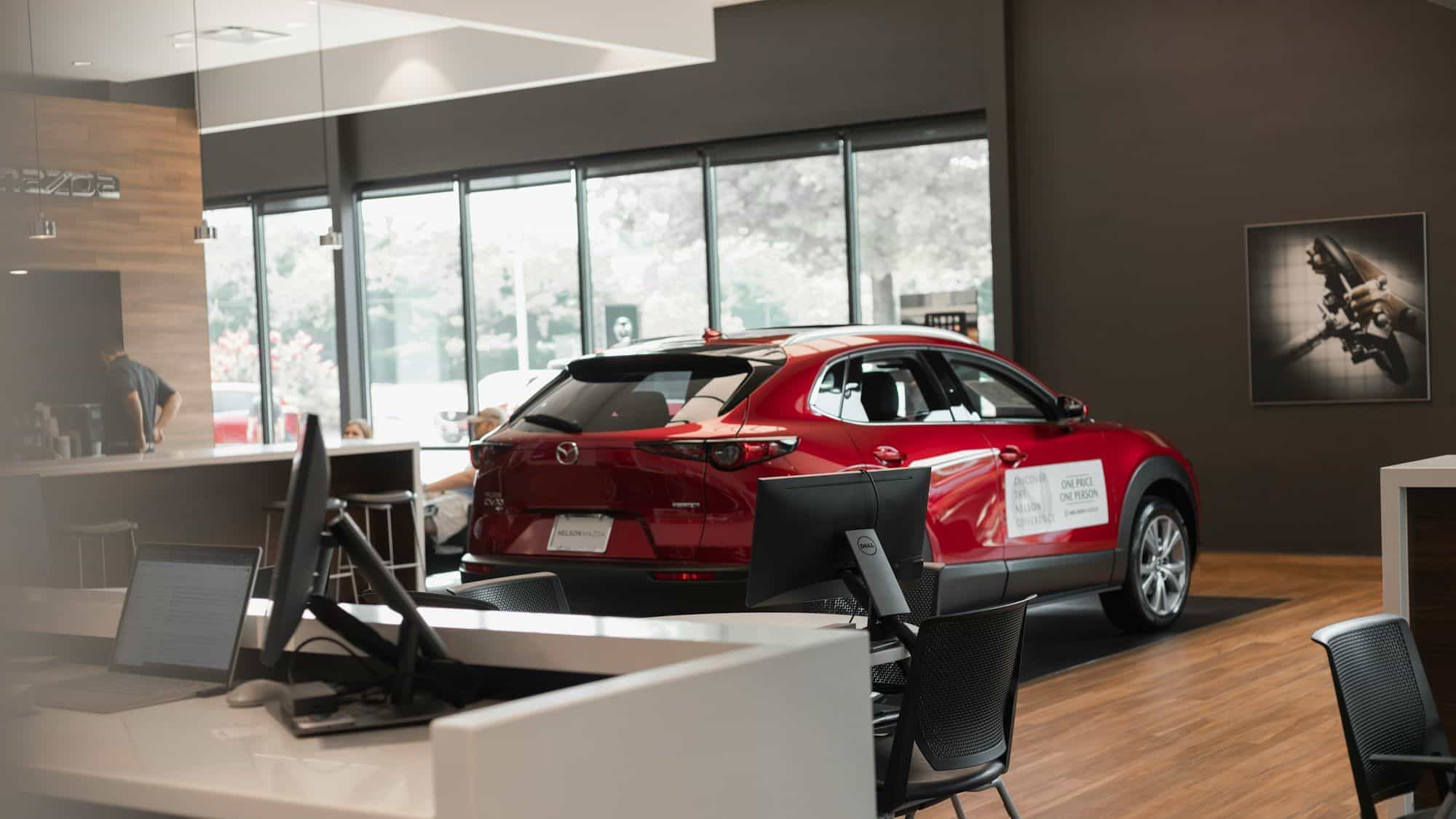
For the first time in U.S. automotive history, the average American walked into a dealership and paid over $50,000 for a new vehicle. If you’re shopping right now, understanding exactly why that number landed where it did is more useful than the headline alone.
The $50,000 Threshold Has Fallen — and It’s Not Coming Back Anytime Soon
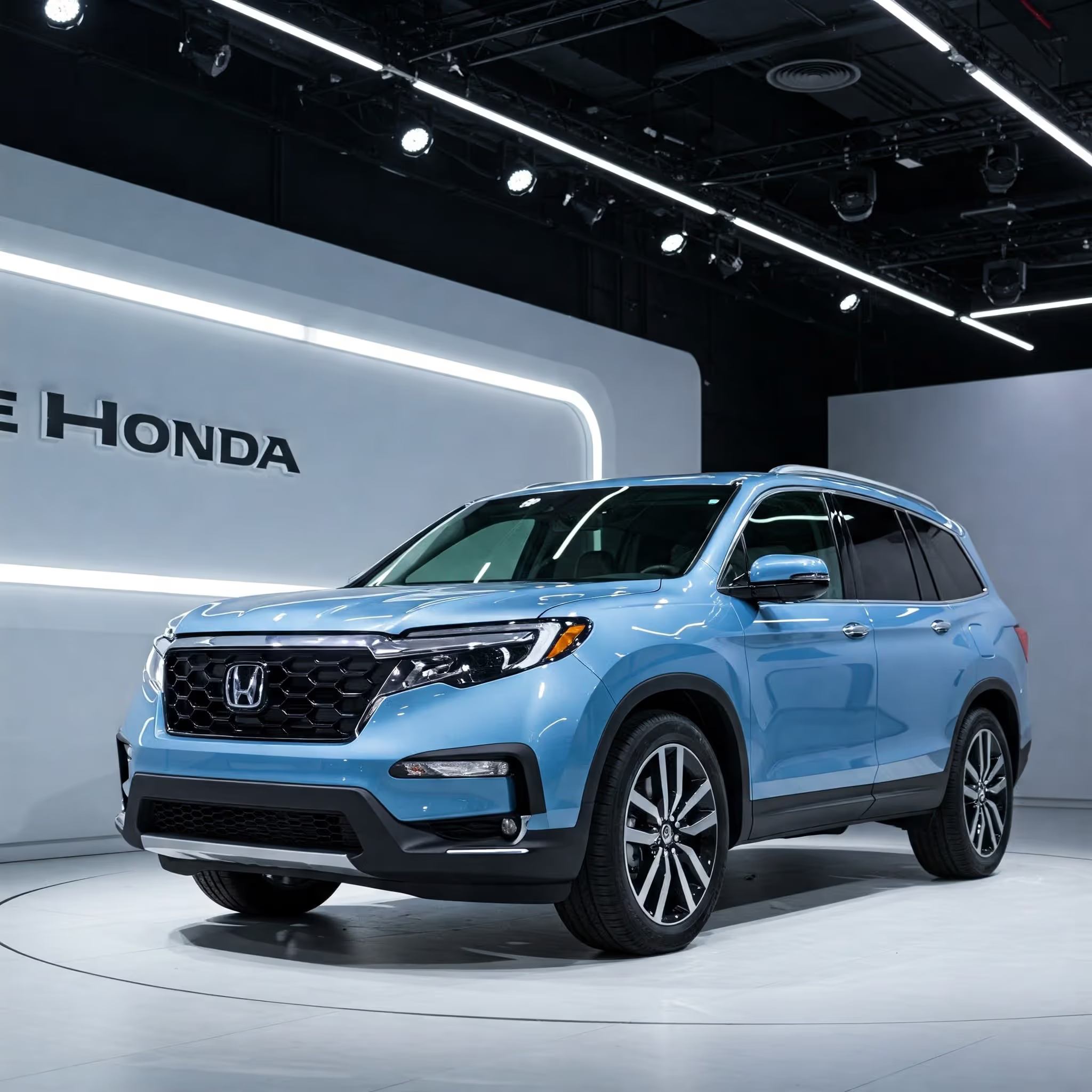
In October, Edmunds reported the average transaction price for a new vehicle hit $50,087 — the first time that figure has cleared $50,000 in recorded U.S. automotive history. This isn’t a sticker-price fantasy or a luxury-segment anomaly pulling the mean skyward on a slow month. It’s the actual average price buyers paid at the register, before taxes and fees, across all segments and all franchise dealerships nationwide.
That distinction matters. The average transaction price (ATP) is a completed-sale figure, not a wishlist number. When it crosses $50,000, it means the blended reality of what Americans are driving off lots has fundamentally reset what “normal” looks like in a new-car deal. If you’re in the market right now, this is the baseline you’re navigating — not an edge case to dismiss.
How Edmunds Builds That Number — and Why the Methodology Cuts Both Ways

Edmunds derives its ATP from actual completed sales data across franchised dealerships nationwide, not from MSRP lists, manufacturer invoices, or self-reported surveys. That makes it one of the more grounded benchmarks available. But it covers every new-vehicle segment simultaneously: economy sedans, compact crossovers, full-size trucks, three-row SUVs, and six-figure luxury flagships are all folded into a single weighted average.
That blending is where the number gets complicated for your specific situation. A $95,000 Cadillac Escalade and a $32,000 Honda CR-V both feed the same ATP. The honest read is that the ATP functions as a market-temperature gauge, not a shopping target. But crossing $50,000 for the first time is a structural signal — it reflects what dealers have been able to charge, and what buyers have accepted, long enough to represent a meaningful shift in the market.
What’s Actually Pushing the Average This High

Three forces are doing most of the work here, and none of them are fading quickly.
Truck and SUV dominance. Full-size pickups — the F-150, Silverado 1500, Ram 1500 — routinely transact between $55,000 and $65,000 in well-equipped trims, and they represent a disproportionate share of total U.S. new-vehicle sales volume. When your highest-volume segments are also your highest-priced segments, the blended average moves up regardless of what’s happening at the economy end of the market.
Trim and feature creep. Manufacturers have systematically discontinued true base trims and loaded mid-range configurations with driver-assist hardware, larger touchscreens, and connectivity packages that add thousands of dollars over what equivalent models cost in 2019. The result is fewer entry points, not more choice.
Post-pandemic pricing conditioning. Supply-chain disruptions from 2021 through 2023 normalized above-MSRP transactions at scale. That floor hasn’t fully deflated. Dealers and buyers both absorbed a new price tolerance, and manufacturers have been in no hurry to correct it.
EV pricing adds another upward pull. Most mainstream electric vehicles still transact well above $45,000, which skews the blended figure higher than a comparable all-internal-combustion market would produce — even as a few outliers like the Chevrolet Equinox EV push in the other direction.
The Detail Buried in the Data: Cheaper Cars Are Selling 20% Faster
According to Edmunds, lower-priced vehicles are leaving dealer lots 20% faster than they were at the beginning of the year — a supply-and-demand signal that the headline ATP obscures entirely. Buyers aren’t embracing $50,000 as a reasonable anchor. They’re actively hunting value, and they’re moving quickly when they find it.
That velocity gap has direct practical consequences for your shopping strategy. Affordable inventory — sub-$30,000 sedans, compact crossovers in base or mid trims — is thinner on the ground precisely when demand for it is highest. You have less time to negotiate, fewer units to choose from, and less dealer motivation to discount on the vehicles you actually want.
The faster turnover also reveals something structural about how the $50,087 figure is constructed. The affordable segment isn’t disappearing from demand — it’s selling out quickly and leaving higher-priced trucks and SUVs to dominate the remaining inventory mix. The ATP isn’t a consumer consensus; it’s partly an artifact of what’s left on the lot.
Can You Actually Afford a New Car at These Prices? Running the Real Numbers
At $50,087 financed over 60 months at 7% APR — a realistic rate for a buyer with good but not exceptional credit — the monthly payment lands around $990 before insurance, registration, or fuel. That number alone should give most buyers pause.
The traditional 20/4/10 rule — 20% down, four-year loan, payments under 10% of gross monthly income — requires a household income of roughly $118,000 per year to responsibly absorb a $50,000 vehicle purchase. The U.S. median household income sits well below that figure. The math is unambiguous: buying at the average new-car price today, under average credit conditions, means accepting either real financial strain or a loan structure that works against you.
Stretching to 72- or 84-month terms lowers the monthly payment and makes the outlay feel manageable. What it also does is increase total interest paid significantly and create serious negative-equity exposure — you’ll owe more than the car is worth for a meaningful portion of the loan term, which matters the moment you need to trade, sell, or total the vehicle.
Your Realistic Alternatives in the Current Market
If the $50,087 ATP is the market’s anchor, your job is to not let it become your budget’s anchor. Here’s where the value actually lives right now:
- Certified Pre-Owned (CPO). Manufacturer-backed CPO programs from Toyota, Honda, and Ford offer warranty coverage on two-to-four-year-old vehicles that frequently transact $12,000-$18,000 below the new-car equivalent. Given how quickly affordable new inventory is turning over, CPO supply is comparatively healthier — and the depreciation curve has already done part of its work.
- Base and mid trims of compact SUVs and sedans. The Honda CR-V LX, Toyota Corolla Cross LE, and Mazda CX-5 Sport keep you in the $28,000-$35,000 range. The value-per-dollar ratio in this tier is demonstrably better than the segment average, and these are the vehicles moving fastest — which means you need to act with conviction, not hesitation.
- End-of-model-year clearance on remaining 2024 units. Slower-selling sedans and smaller SUVs can see $1,500-$3,500 shaved off transaction price during clearance cycles. Incentive programs shift quarterly; verify current availability directly with dealers rather than relying on advertised rates that may have expired.
- The EV outlier. The Chevrolet Equinox EV starts around $35,000 before any federal tax credit eligibility — one of the few new segments where sticker prices are moving counter to the broader trend. Confirm your purchase eligibility and income qualifications against current IRS guidelines before factoring any credit into your budget, as eligibility rules have changed and continue to evolve.
What the $50,000 Milestone Actually Tells You About Where This Goes Next
The $50,087 figure is a confirmed data point from October, not a projection. Whether it represents a permanent floor or a cyclical peak remains genuinely uncertain — inventory normalization, interest rate direction, and whether manufacturers reintroduce meaningful entry-level trims are all variables still in motion.
What’s less uncertain is the demand signal. The 20% faster turnover on affordable vehicles is the clearest real-time indicator available: buyers want value, the market is chronically undersupplying it, and that imbalance is part of what keeps the ATP elevated even as a significant share of shoppers pushes back by gravitating toward lower-priced options.
Automakers have structural incentives to keep ATPs high. Higher transaction prices protect per-unit margins even when volume softens — which means a voluntary correction at the manufacturer level is unlikely. Meaningful downward pressure, if it comes, will come from buyers walking away from new vehicles and moving into CPO, or from interest rate relief making financing less punishing for the average household.
The practical takeaway is straightforward: treat $50,000 as the market’s reference point, not your personal ceiling. Know your number — real income, realistic down payment, honest monthly budget — before you walk into a dealership. The data makes clear the market will not do that math on your behalf.