
Most first-time EV renters walk up to the rental counter expecting the experience to mirror picking up a standard gas car — same process, different badge on the hood. That assumption is exactly what leaves some travelers stranded at a highway rest stop, staring at a dead battery and wondering what went wrong.
Why the EV Rental Learning Curve Is Worth Taking Seriously
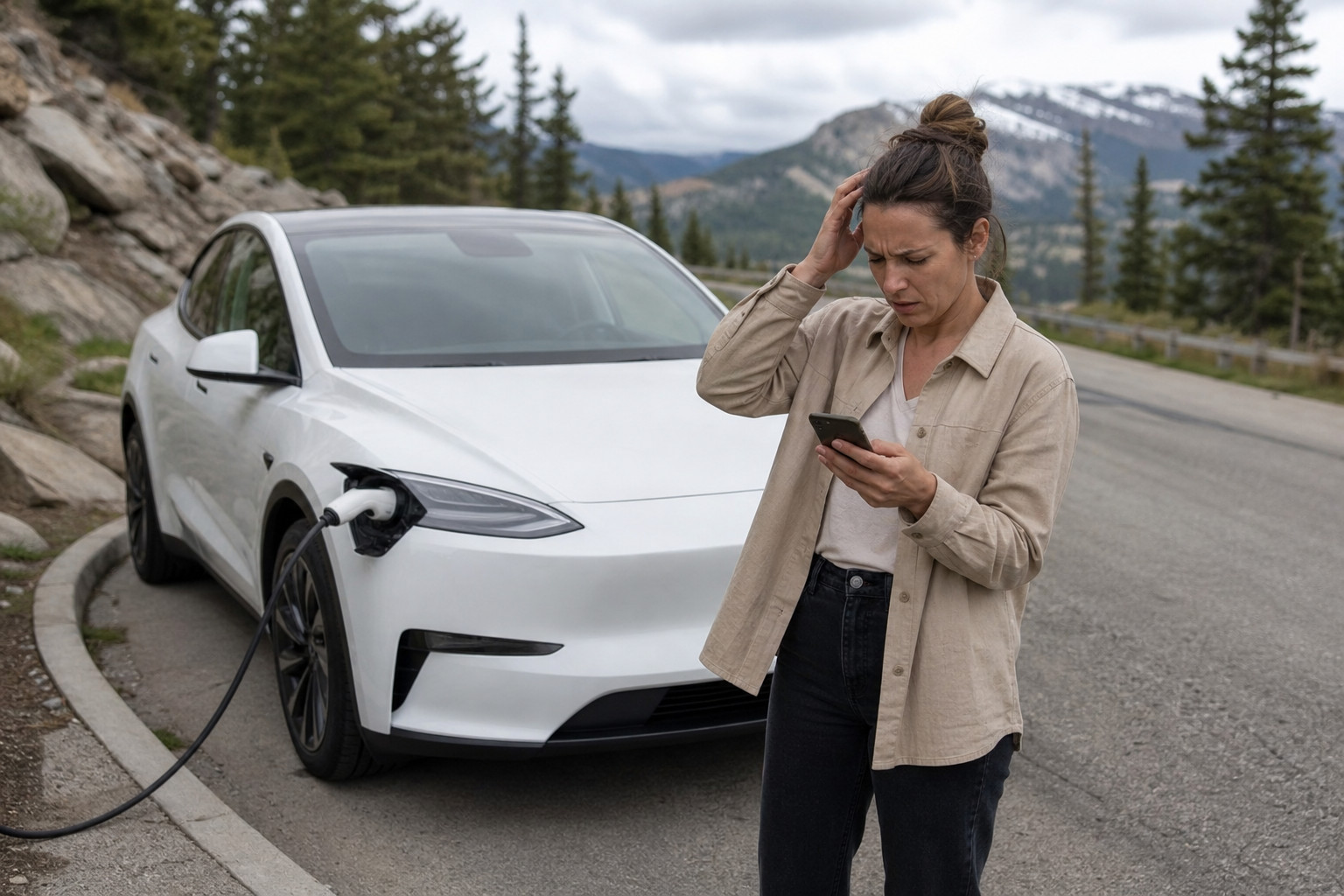
Electric vehicle rental fleets are growing rapidly across all the major companies, which means more travelers will face this learning curve whether they feel ready or not. The gap between expectation and reality isn’t enormous, but it is specific — and it tends to surface at the worst possible moments: a charger that’s occupied, a return fee nobody mentioned at pickup, a braking sensation that startles a driver merging onto a freeway for the first time.
The good news is that the adjustment is genuinely manageable. Electric cars are often cheaper to run than conventional rentals, smoother to drive, and surprisingly easy to live with on the road. The seven rules below are what separate travelers who rave about their EV rental from the ones who vow never to try it again. Each rule addresses a specific, predictable failure point — and understanding them before arriving at the counter is the entire game.
Rule 1 — Match the Vehicle’s Range to Your Actual Itinerary, Not the Average Day
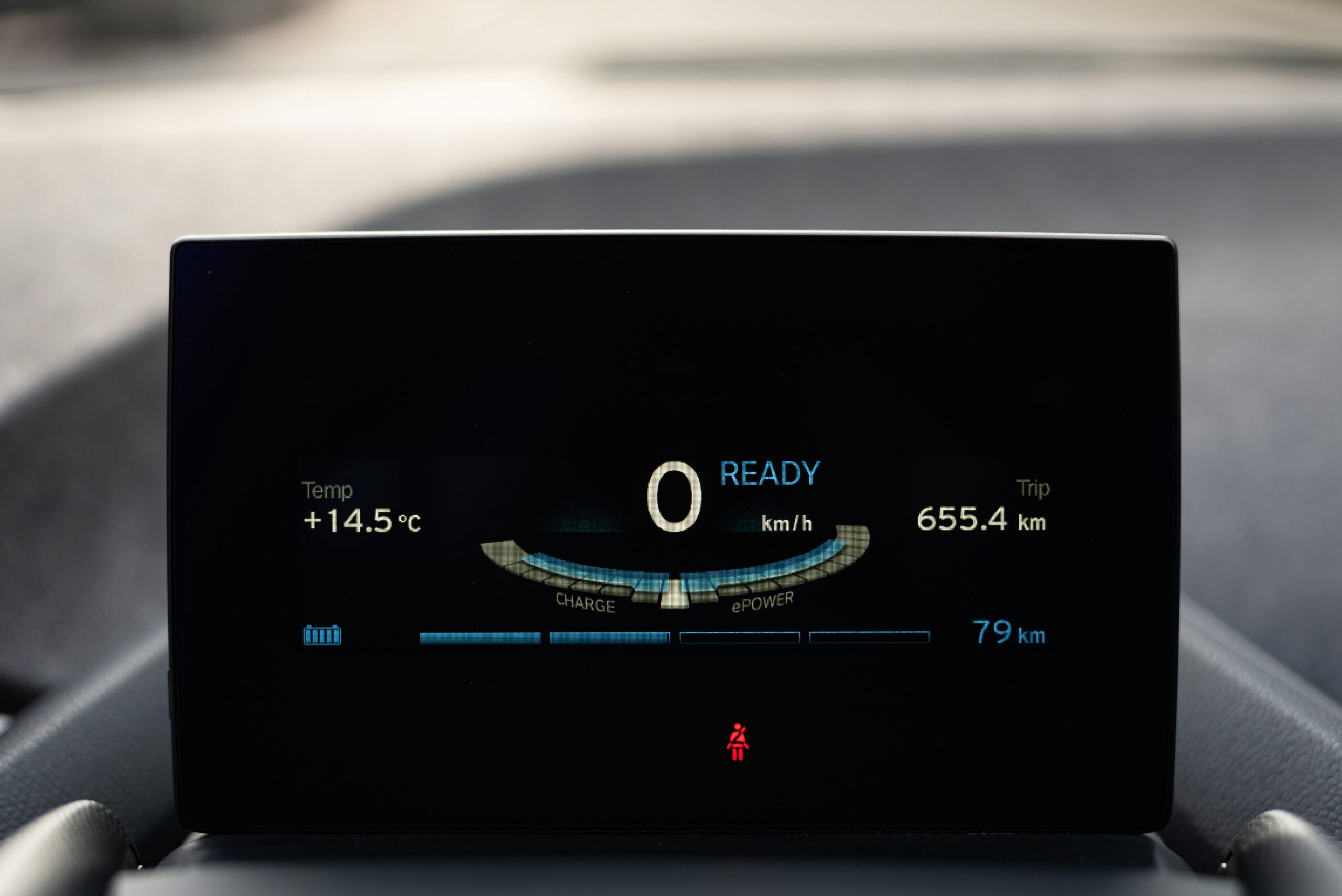
Range varies dramatically between EV models, and that variation matters enormously on a road trip. A vehicle rated for 150 miles and one rated for 300 miles are simply not interchangeable depending on the itinerary. The critical planning principle: match the vehicle’s range to the longest single driving day on the trip, not the average day. One outlier leg can strand a driver who chose based on typical mileage.
Rental company fleets now carry a wide mix of EVs across price tiers, so it’s worth asking the desk agent specifically about range before accepting the keys. Renters considering a Tesla through a rental program should confirm the specific model variant, since range differs meaningfully between trims — the Model 3 Standard Range and Long Range versions, for example, are not the same vehicle for planning purposes. If the agent can’t answer range questions confidently, ask to see the vehicle’s window sticker or look up the EPA-rated range on the manufacturer’s website before leaving the lot.
Rule 2 — Understand Charging Before Leaving the Lot

Enterprise offers an EV Quick Start Guide for first-time renters picking up electric vehicles, and reading it on the spot — not later when the battery is running low — is some of the most practical guidance available. That five-minute read at the counter can prevent a genuinely stressful situation 200 miles down the road.
Before pulling out of the lot, every renter should be able to answer three specific questions:
- What charging level does this vehicle support? Level 2 charging is slower and suited to overnight stops at hotels or residential plugs. DC fast charging can bring most batteries to roughly 80% in 30 to 60 minutes — a critical distinction when making a roadside decision under time pressure. Not every EV in a rental fleet supports DC fast charging, so confirming this before departure matters.
- Which charging networks are accessible? Some rentals come with activated network accounts or cards; others leave renters to create their own accounts on the road. Ask the agent which networks, if any, are linked to the vehicle. If none are, download and register with apps for the major networks in the travel region before leaving the lot — not while standing next to a charger.
- What connector type does this vehicle use? North American EVs have largely standardized around the Combined Charging System (CCS) and Tesla’s connector, but exceptions exist. Arriving at an incompatible charger wastes time and can create a genuine range emergency. Confirm the port type at pickup and note which adapters, if any, are stored in the vehicle.
Rule 3 — Plan Charging Stops the Way You’d Plan Overnight Stops

Unlike gas stations, DC fast chargers are not on every corner — particularly outside major metropolitan areas and established highway corridors. Route planning is a non-negotiable part of renting an EV, and skipping this step is the single most common beginner mistake. For a thorough overview of what first-timers should anticipate, this first-timer’s guide to renting an electric car walks through the planning mindset in practical terms.
Most EVs have built-in navigation that routes to chargers automatically and accounts for real-time battery state. Apps like PlugShare and ABRP (A Better Route Planner) offer additional visibility into charger locations, network compatibility, and real-time availability reported by other drivers. The essential buffer rule: never plan to arrive at a charger with less than 10-20% battery remaining. Individual chargers can be occupied, out of service, or charging more slowly than their listed rate. That buffer is the safety net that turns a close call into a non-event.
One additional planning consideration: fast chargers slow their output above 80% state of charge to protect battery health. Charging from 20% to 80% is fast; charging from 80% to 100% takes significantly longer for relatively little additional range. On a multi-stop road trip, planning for 20-80% charging cycles at each stop is more time-efficient than waiting for a full charge at every location.
Rule 4 — Understand What You’ll Actually Pay, Including the Fees Nobody Mentions at Pickup
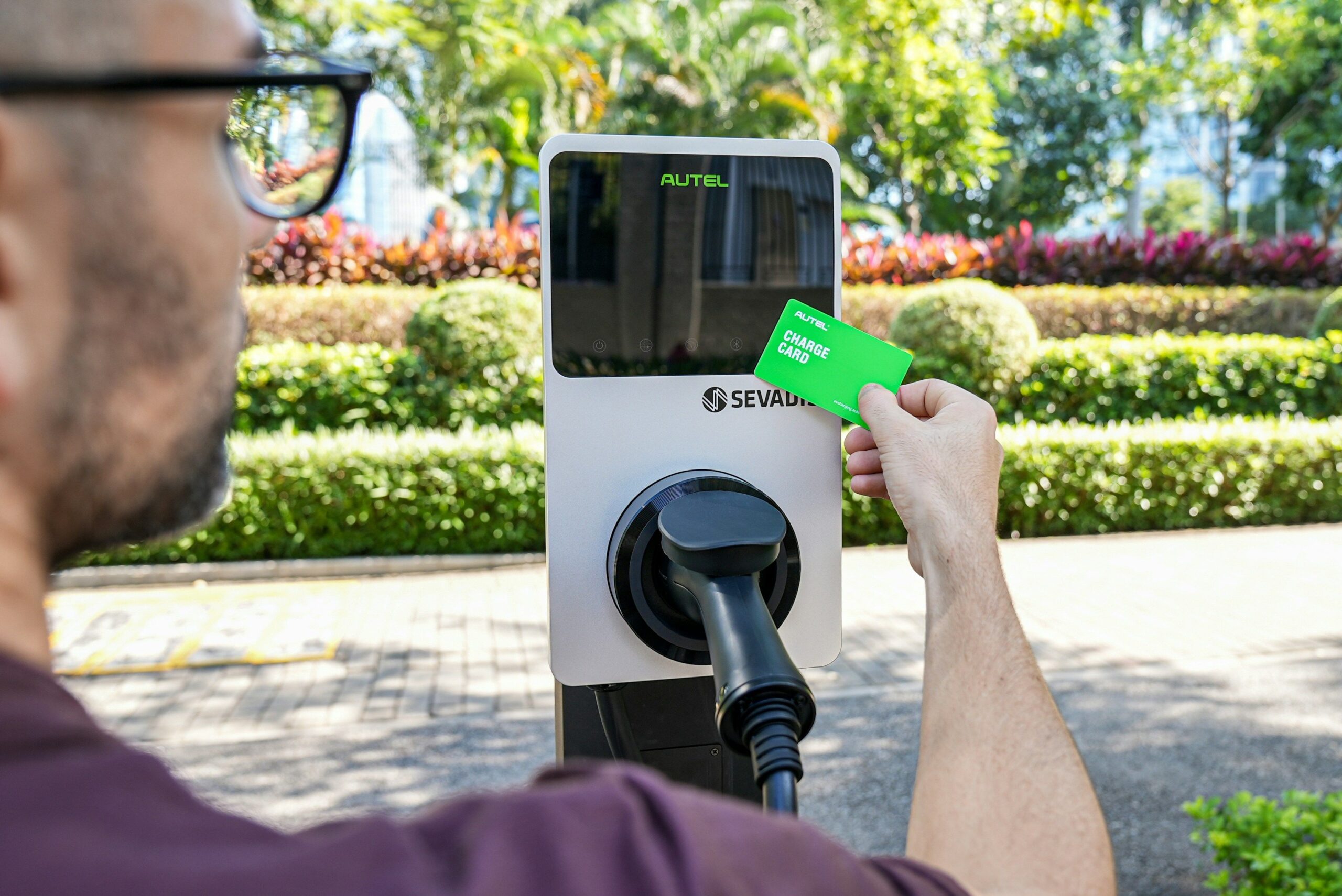
EV rental rates are generally comparable to or slightly higher than equivalent gas-powered vehicles, so renters shouldn’t arrive expecting a discount at the counter. The real savings come later: charging an EV typically costs less than filling a gas tank, which can offset the slightly higher rental rate on longer trips. Budget’s guide to renting and driving an electric car outlines what to expect on the cost side, including charges that catch renters off guard.
The fees worth watching for include:
- Low-battery return fees: Many companies apply a convenience fee for returning the vehicle below a specified battery level — structurally similar to a low-fuel penalty on a gas rental, but the threshold and fee amount vary by company and sometimes by location.
- Battery state clauses: Some rental agreements specify that the vehicle must be returned at a minimum percentage or at a full charge. This clause is often buried in EV-specific addenda to the standard agreement. Reading it before signing takes roughly two minutes and prevents the most common billing disputes.
- Missing equipment charges: Some vehicles come with a portable Level 2 charging cable stored in the trunk. If that cable isn’t returned, the replacement charge can be substantial. Verify at pickup whether charging equipment is included and photograph it alongside the vehicle’s existing condition.
Rule 5 — Learn the Driving Differences Before Reaching the Highway
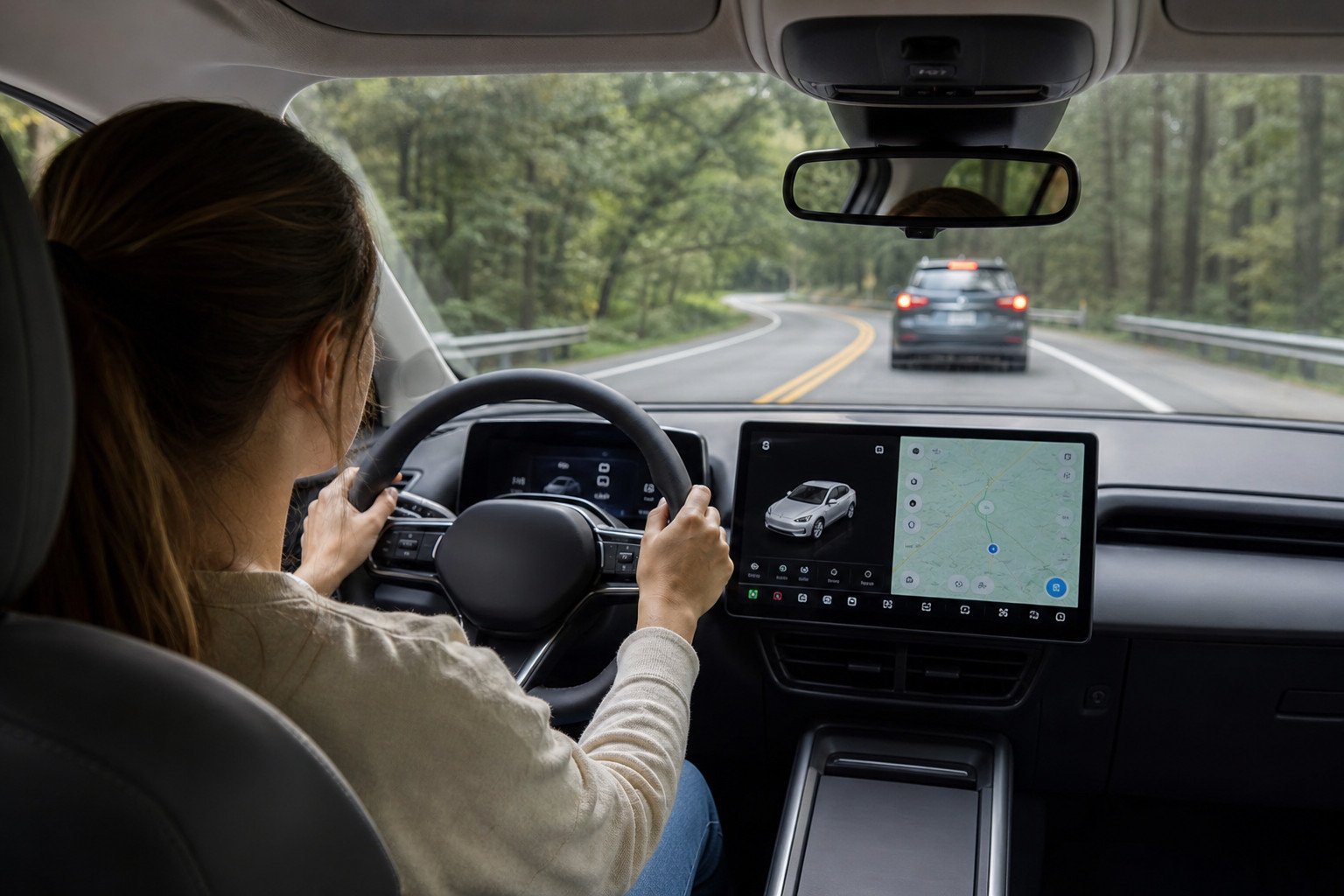
Two characteristics catch most first-time EV drivers off guard, and neither is intuitive without brief hands-on experience before merging into traffic.
The first is regenerative braking. In strong regen mode, lifting off the accelerator slows the car noticeably — far more than a gas car coasts when the driver eases off the throttle. Many EVs also offer one-pedal driving, where nearly all deceleration is handled through the accelerator alone without touching the brake pedal. Spending five minutes practicing starts and stops in the rental lot before leaving gives the driver a physical sense of how the vehicle behaves, which is far more effective than reading about it.
The second is instant torque. EVs deliver their full torque immediately, which means they accelerate faster and more abruptly than the rental-lot context might suggest. Pulling into traffic requires deliberate throttle control until the sensation becomes familiar — a light touch is enough.
Beyond handling, real-world range is meaningfully affected by conditions that don’t appear on the window sticker. Cold weather reduces battery capacity noticeably; sustained highway speeds above 70 mph increase energy consumption significantly compared to mixed driving; and heavy use of heating or air conditioning draws power that would otherwise go to propulsion. If any of these conditions apply to the trip, tighten the planned charging intervals accordingly rather than relying on the rated range figure.
Rule 6 — Return the Car Correctly and Protect Yourself Against Disputes
The return process for an EV rental has a few steps that simply don’t exist with a gas car, and skipping them is where otherwise smooth rentals turn into billing headaches after the fact.
First, confirm the required battery state at return before the trip begins, not on the final day. Some companies require a full charge; others specify a minimum percentage. If a full charge is required, factor in time to stop at a fast charger before reaching the drop-off location, just as a driver would stop for gas on the way back with a conventional rental.
Second, document the vehicle at both pickup and return. Photographing the battery percentage display, the charging port, and the charging cable (if one is included) at the start and end of the rental creates a timestamped record that resolves most disputes without escalation. For a broader look at what the return process involves and how policies differ across companies, this guide to renting an EV on vacation covers return considerations alongside other practical trip details.
Rule 7 — Use the Preparation Resources That Already Exist
Rental companies and independent travel resources have invested genuine effort in making the EV rental experience accessible to newcomers. The beginner’s guide to using a rental electric vehicle from Europcar covers the fundamentals of charging types, driving behavior, and what to check at pickup — all in plain language aimed at drivers with no prior EV experience.
The pattern among first-timers who have consistently positive EV rental experiences is not that they happened to get lucky with their vehicle or their route. It’s that they spent time with these guides before arriving at the counter. Learning what regenerative braking feels like from a written description costs nothing and removes the surprised reaction from an already busy first mile on the road. Learning which charging network a vehicle uses from a guide takes two minutes; learning it at a charger 150 miles from the nearest alternative takes considerably longer.
The Bottom Line: EVs Reward the Renter Who Prepares
All seven rules trace back to a single mindset shift: renting an electric vehicle requires roughly ten to fifteen minutes of upfront planning that a gas car doesn’t — and that investment returns a smoother, often cheaper, and frequently more enjoyable trip. First-time EV renters who do their homework consistently describe the experience as a genuine highlight of their travel, a low-pressure preview of what driving electric actually feels like before making any long-term decisions about ownership.
With rental fleets electrifying at pace, knowing how to rent an electric vehicle is becoming a practical travel skill rather than a niche interest. On the next booking, filter for EVs, apply these rules starting at the counter, and discover why so many drivers who rent electric find themselves reluctant to go back to the pump.