
A proposed federal fee targeting electric vehicle owners has generated significant coverage — and significant confusion. The proposal has been mischaracterized across the political spectrum, leaving many EV owners uncertain about what it actually requires. Here is a point-by-point correction of the most common misconceptions, based on what the bill actually says.
The Fee Is Not $200 a Year
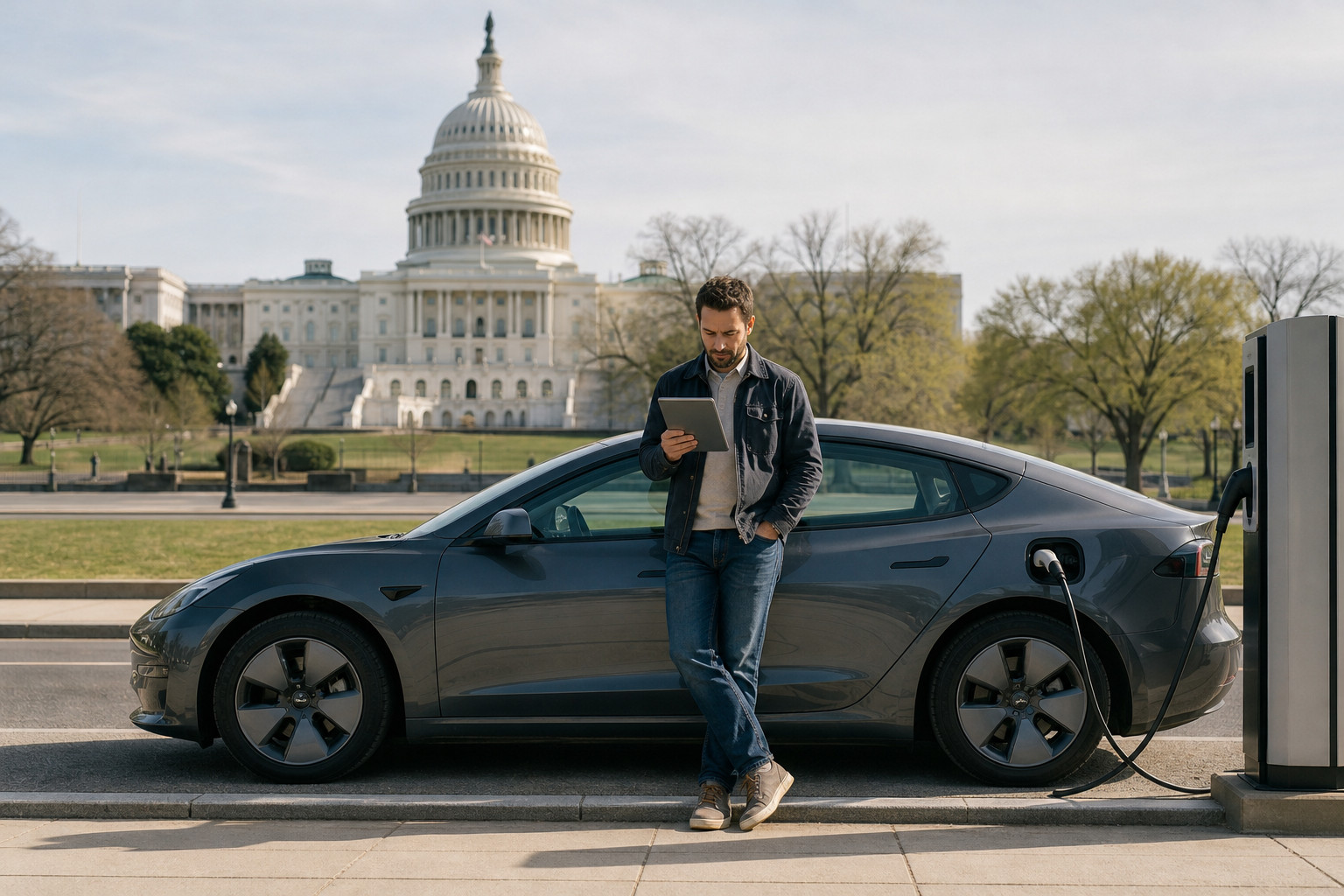
Widely circulated headlines pegged the charge at $200, but the proposed annual federal EV fee actually starts at $130. The $200 figure appears to stem from rounding up or conflating the proposal with higher state-level EV fees already on the books — charges that vary widely and in several cases do exceed $200.
The federal fee is also capped. It rises incrementally over time but tops out at a maximum of $150, meaning it is neither as high as the viral number suggests nor an open-ended charge that could climb without limit.
Full EV Owners and Plug-In Hybrid Owners Do Not Pay the Same Rate
Battery-electric vehicle owners and plug-in hybrid vehicle (PHEV) owners would face very different bills under the proposal. PHEV owners would pay $35 per year — significantly less than the $130 assessed on full EV owners — because PHEVs still consume gasoline and therefore already contribute some revenue through the existing federal gas tax.
The PHEV fee also carries its own separate ceiling. Like the full EV fee, it increases incrementally over time but is capped at a maximum of $50, keeping it well below what drivers of purely battery-powered vehicles would owe.
This Is Not Already the Law

Despite the urgency of some reporting, the proposal is part of a surface transportation bill still moving through Congress — it has not been signed into law. A previous, similar federal EV fee proposal also stalled in Congress and never became enacted law, establishing a pattern of legislative difficulty for such measures.
Until the bill passes both the House and Senate and receives a presidential signature, EV owners have no new federal fee obligation. Moving a proposal through committee hearings and floor debates is a long way from making it an enforceable requirement.
No Separate New Federal Tax Return Is Required

The fee would not create a new standalone tax filing or require EV owners to submit a separate federal return. Instead, it would be collected through the existing annual vehicle registration process, meaning the charge would appear as a line item when owners renew their registration each year.
No new federal filing system or dedicated EV tax form is created by the proposal. For most drivers, the administrative experience would look almost identical to paying any other registration-related fee — with an additional line reflecting the electric vehicle surcharge.
The Fee Rate Does Not Stay Fixed Forever

The $130 starting fee is explicitly designed to increase. Beginning in 2029, it would rise by $5 per year until it reaches the $150 cap, meaning the amount EV owners owe will grow gradually over several years. The structure is intended to keep pace with inflation and the expanding EV fleet without requiring Congress to pass separate legislation each time an adjustment is needed.
The same logic applies to the PHEV fee, which starts at $35 and climbs incrementally toward its own $50 ceiling. Owners who assume they will always owe the base amount should be aware that the proposal is built around scheduled increases from the outset.
The Bill Has Bipartisan Support

The bill is described as bipartisan, drawing support from both Republican and Democratic legislators. Proponents from both sides frame the fee not as a penalty on green vehicles or a rollback of clean-energy policy, but as a highway-funding equity measure aimed at closing a structural gap in transportation finance.
The underlying argument — that drivers who use public roads should contribute to maintaining them — predates recent partisan debates over EV policy. Transportation funding shortfalls tied to declining gas-tax revenue have been a concern for policymakers across the political spectrum for years.
The Revenue Is Designated for Road Infrastructure, Not a General Fund

The revenue generated by the fee is not destined for a broad general fund. The stated and legislatively designated purpose is to fund road maintenance and surface transportation infrastructure — the same purpose served by the federal gasoline tax that EV owners currently bypass because they never purchase taxed fuel.
Analysis by the Committee for a Responsible Federal Budget estimates the fee structure could raise approximately $30 billion for that infrastructure purpose. The proposal is explicitly structured as a road-use revenue replacement for lost gas-tax receipts, not a general revenue measure.
EV Owners Currently Bypass the Primary Road-Funding Mechanism

The federal gasoline tax — 18.4 cents per gallon — is the primary mechanism by which drivers fund highway maintenance. EV owners pay none of it because they never pump taxed fuel. As EV adoption grows, the gas-tax base steadily erodes, leaving fewer dollars available for road upkeep.
The proposed federal EV fee is a direct response to this highway funding gap, ensuring that electric vehicle drivers contribute to the roads they use just as gasoline-car drivers do through every fill-up. Supporters argue the fee is not punitive but corrective — bringing EV owners into the same funding framework as everyone else.
The Fee Does Not Take Effect the Moment the Bill Is Introduced
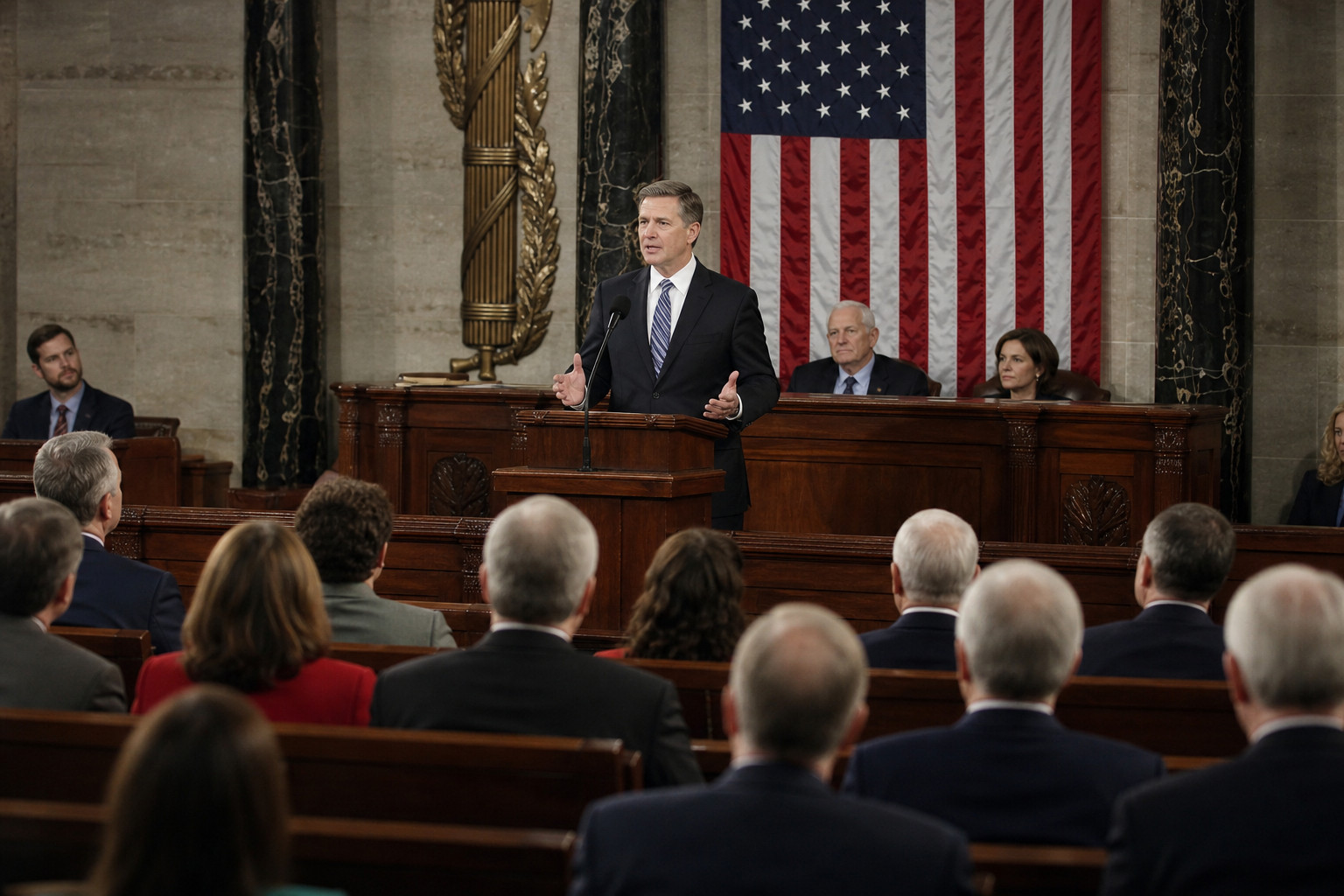
Introduction of a bill and enactment of law are entirely separate stages in the legislative process, and no fee is owed at any point before full passage and a presidential signature. Under the House proposal, the earliest possible effective date is October 1 — not the date the bill was introduced, debated in committee, or covered in the news.
Even that October 1 date is contingent on the bill actually clearing both chambers and being signed before then. EV owners have time to monitor the bill’s progress before any new cost becomes a reality, and nothing in the current legislative calendar guarantees that timeline will hold.
The proposed federal EV fee is a transportation finance measure that has been consistently oversimplified — and in some cases outright misrepresented — in public discussion. The core policy rationale is straightforward: as electric vehicles displace gasoline-powered cars on roads built and maintained through fuel-tax revenue, legislators are searching for a durable replacement mechanism. Whether the fee is the right solution remains a legitimate debate. What it actually proposes, however, is not.