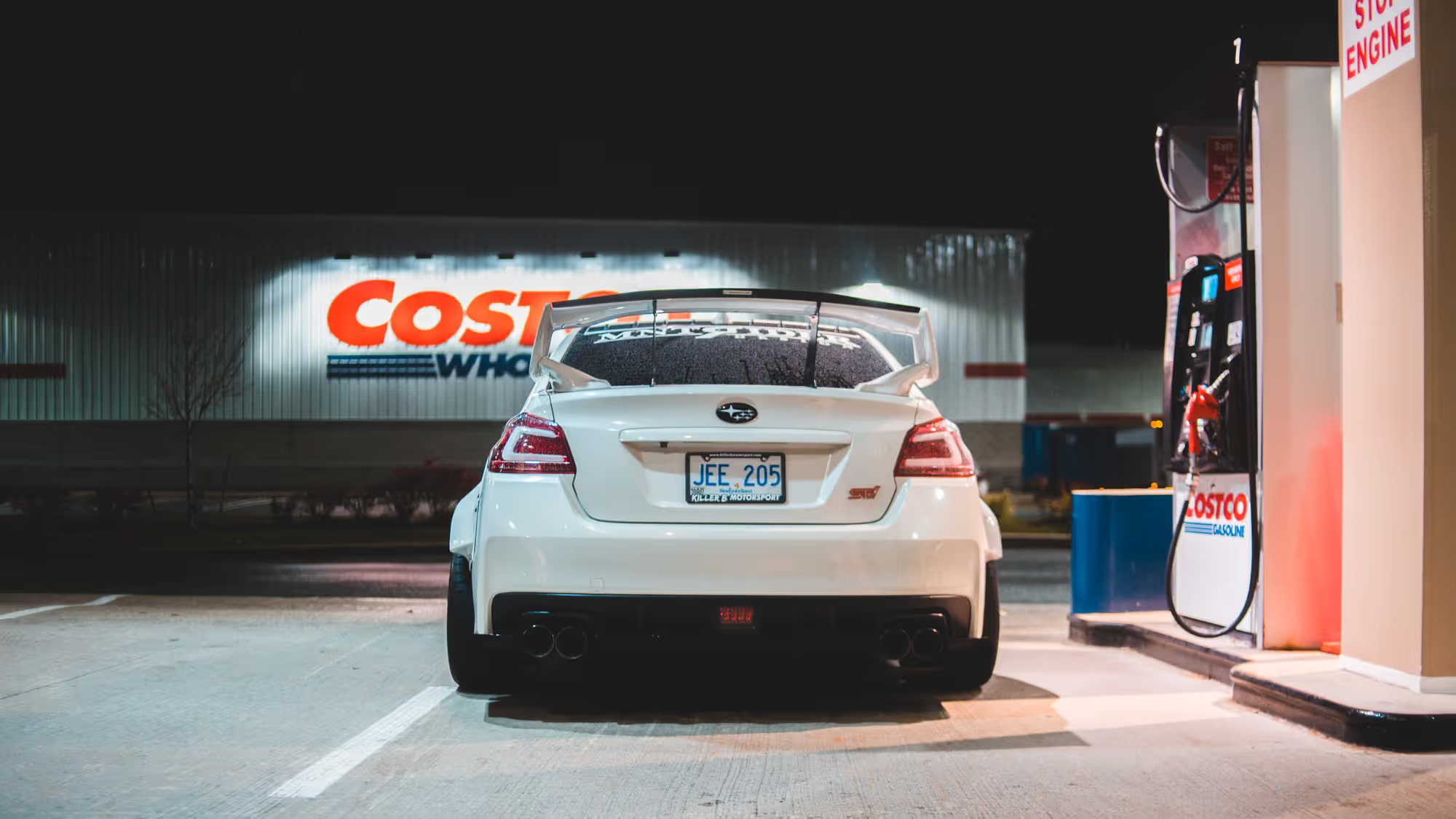
The line of cars snaking around Costco’s gas stations has become one of the more recognizable sights in American retail — and it isn’t an accident. Costco consistently prices its fuel 20 to 30 cents per gallon below nearby competitors, and a planned expansion at its Albuquerque warehouse offers a revealing look at the deliberate business strategy behind those savings.
What’s Being Built in Albuquerque
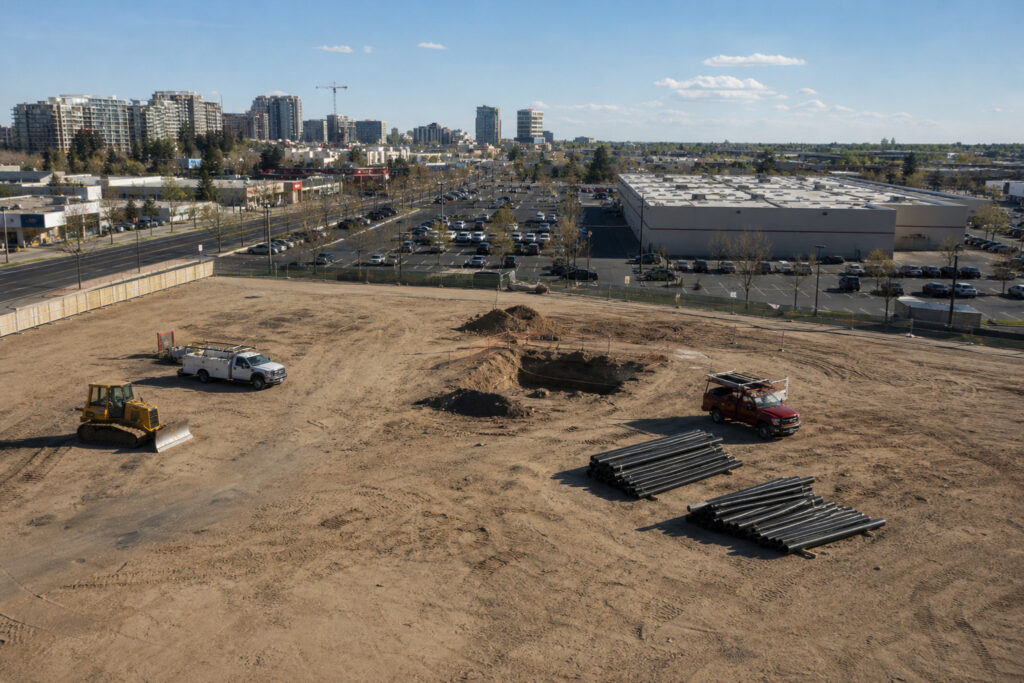
Costco’s location at 1420 North Renaissance NE in Albuquerque is set for a significant fuel infrastructure upgrade. Rather than simply renovating its existing gas station, Costco plans to relocate the operation entirely to an empty lot directly across from the current warehouse — a move designed to improve traffic flow and free up space around the main building.
The scale of the new facility is substantial. According to reporting by the Albuquerque Journal, the project includes a 14,800 square foot canopy sheltering 20 fuel dispensers — roughly double the footprint of a typical standalone gas station. Alongside the fuel station, Costco plans to build a 3,777 square foot car wash with two drive-through lanes and 38 dedicated parking stalls. An additional 134 parking spaces will be added to accommodate the increased traffic the company expects both amenities to generate.
For members in Albuquerque who have dealt with long waits at the existing station, the expanded dispenser count alone represents a meaningful quality-of-life improvement. For everyone watching the broader retail landscape, the project is a window into how Costco turns cheap gasoline into one of its most effective business tools.
Why Costco Gas Prices Are Almost Always Lower
Costco’s ability to offer consistently lower fuel prices rests on a few structural advantages that most gas stations simply cannot replicate.
The first is purchasing power. Costco buys fuel in massive bulk volumes and negotiates directly with refiners, bypassing distributor middlemen whose markups add cost for independent stations. That supply chain efficiency translates directly to the price members see at the pump.
The second, and more important, advantage is that Costco doesn’t need its gas stations to be profit centers. The company operates fuel as a near break-even service, deliberately pricing below the market average not to make money on gasoline, but to make members feel their annual fee is indispensable. At the same time, the fuel Costco sells meets Top Tier certification standards — a detergency benchmark set above federal minimums — meaning the lower price doesn’t come with a quality tradeoff.
Because members must swipe a Costco membership card to activate a pump, every gallon sold quietly reinforces the value proposition of belonging. Each fill-up is, in a sense, a small renewal argument made in real time.
The Membership Flywheel: How Cheap Gas Funds the Whole Business
To understand why Costco can afford to sell gas cheaply, it helps to understand where Costco actually makes its money. The warehouse model is built around membership fees, not merchandise margins. Costco sells goods close to cost across much of its floor — the annual fee, currently $65 for a standard Gold Star membership and $130 for Executive, is the real revenue line that funds the entire operation.
Cheap gas amplifies this model in a measurable way. A family saving 25 cents per gallon across two fill-ups a month — at 15 gallons per fill-up — recovers more than $90 per year on fuel alone, comfortably exceeding the cost of a standard membership. That math makes renewal feel less like a discretionary purchase and more like a rational financial decision.
The result is a self-reinforcing cycle: low gas prices attract new members and retain existing ones, membership fees fund below-market pricing across the entire store, and the warehouse’s reputation for value deepens with every visit. High-volume fuel sales, especially when paired with car wash revenue, generate enough throughput to cover station operating costs without requiring wide margins.
The Car Wash Is Not an Afterthought
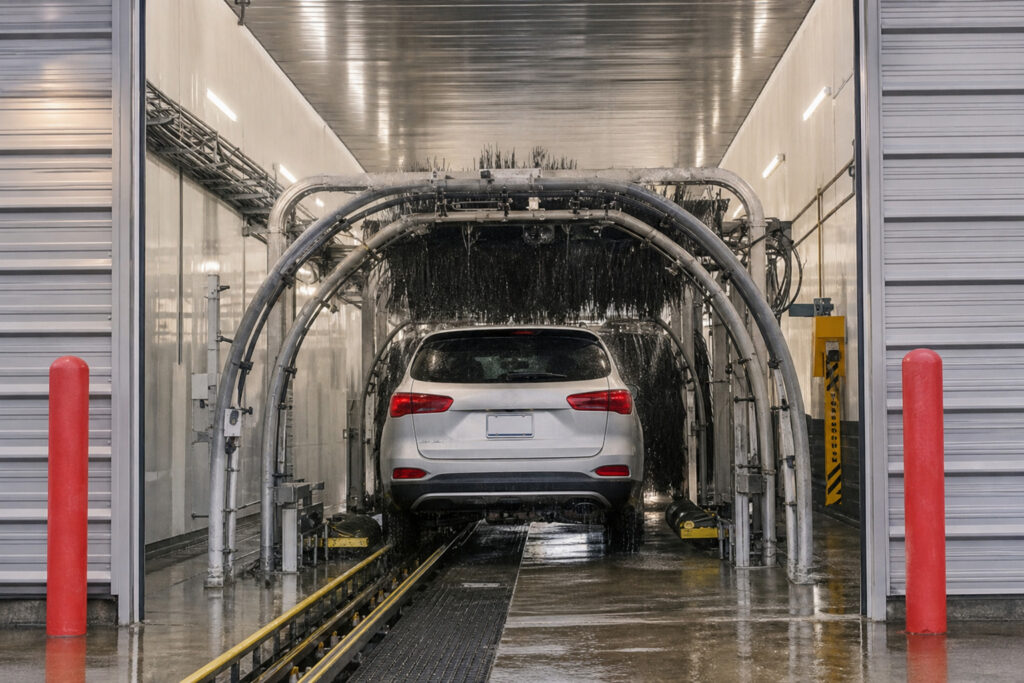
The addition of a dedicated car wash to the Albuquerque expansion is part of a broader Costco playbook being deployed at locations across the country. Costco’s car wash service offers more than a basic rinse: the package includes an exterior wash using a triple clean process, an undercarriage wash with rust inhibitor, wheel cleaner, and tire dressing — a service level that competes with dedicated auto detailing operations.
For drivers in Albuquerque, where road dust and seasonal conditions can accelerate vehicle wear, the undercarriage rust inhibitor feature carries real practical appeal. More broadly, bundling a premium wash with a fuel stop transforms a single errand into a multi-service visit, raising the perceived value of showing up at Costco in the first place.
The two-lane drive-through design prioritizes throughput, keeping wait times manageable and reflecting Costco’s consistent emphasis on operational efficiency. A car wash that moves cars quickly is more valuable to members — and generates more revenue per hour — than one with longer dwell times.
Is a Costco Membership Worth It for Gas Alone?
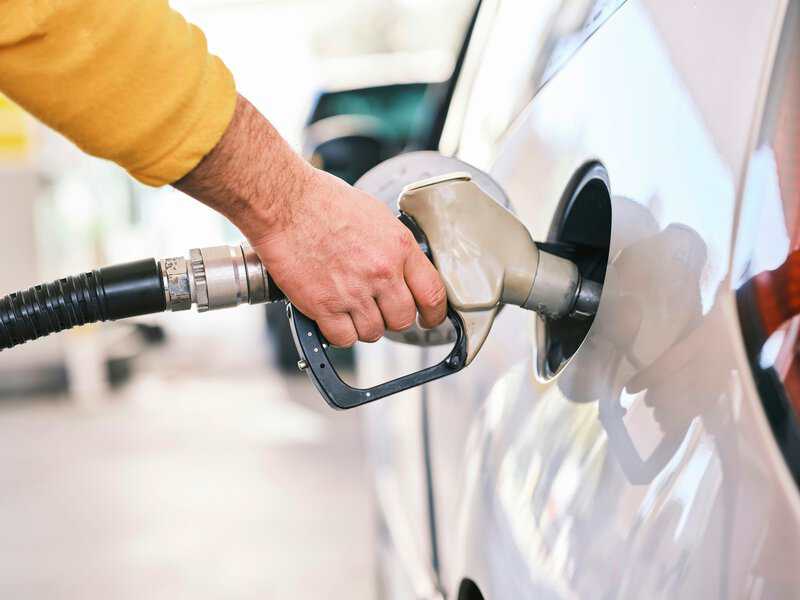
The honest answer depends on driving habits and geography. At a consistent 20-cent-per-gallon discount with an average fill-up of 15 gallons, a driver who visits twice a month saves roughly $72 per year on fuel — nearly covering a standard membership without setting foot inside the warehouse.
Members who layer in car wash visits, tire purchases, or pharmacy use accelerate that return considerably. The calculus is less favorable for infrequent drivers or those who live far from a location, since the savings are fundamentally volume-dependent.
For the Albuquerque market specifically, details of the planned expansion suggest that the historically long wait times at the existing station — arguably the biggest practical friction point for local members — should ease considerably once 20 dispensers are operational across a purpose-built site.
What the Albuquerque Project Signals About Costco’s Broader Direction
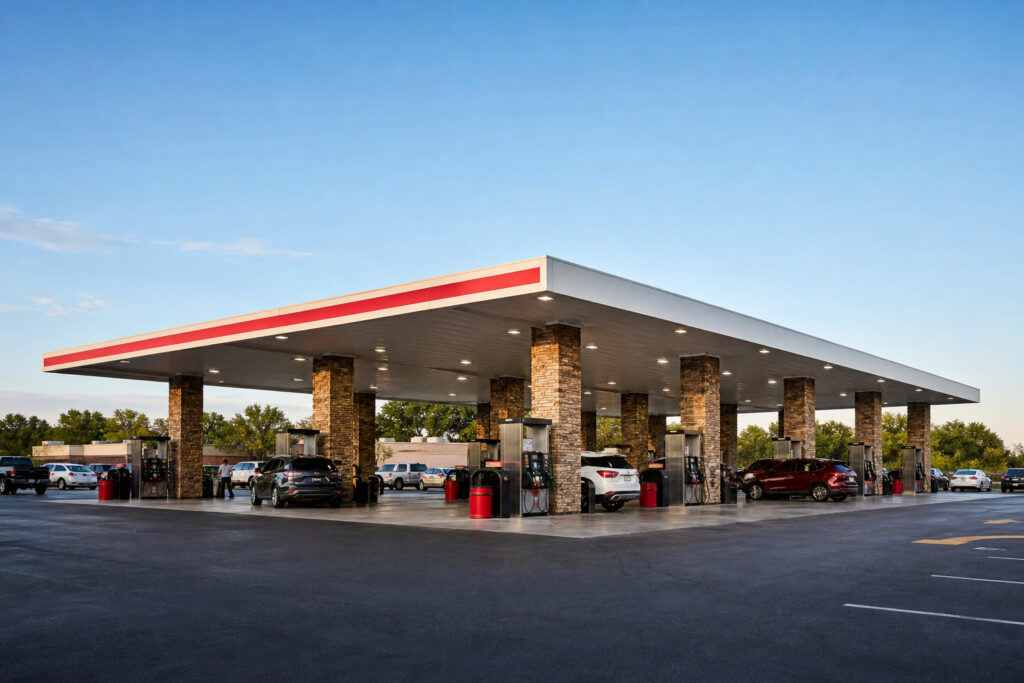
Relocating an entire gas station rather than simply upgrading it in place is an unusually capital-intensive choice. It signals that Costco views fuel infrastructure not as a sunk-cost legacy amenity but as an active investment in member experience and site optimization.
The 134 additional parking spaces planned alongside the new station reflect an expectation of meaningfully higher foot traffic — the company is betting that a better fuel and car wash operation will deepen loyalty among existing members and attract new ones in a competitive market. The Albuquerque Business Journal’s coverage of the expansion underscores how significant this investment is at the local level.
For consumers who have come to treat warehouse store fuel savings as a hedge against volatile pump prices, Costco’s continued willingness to build, relocate, and expand its gas infrastructure carries a clear message: member-exclusive, below-market fuel is not a temporary perk. It is load-bearing architecture inside one of the most carefully engineered retail business models in the country.