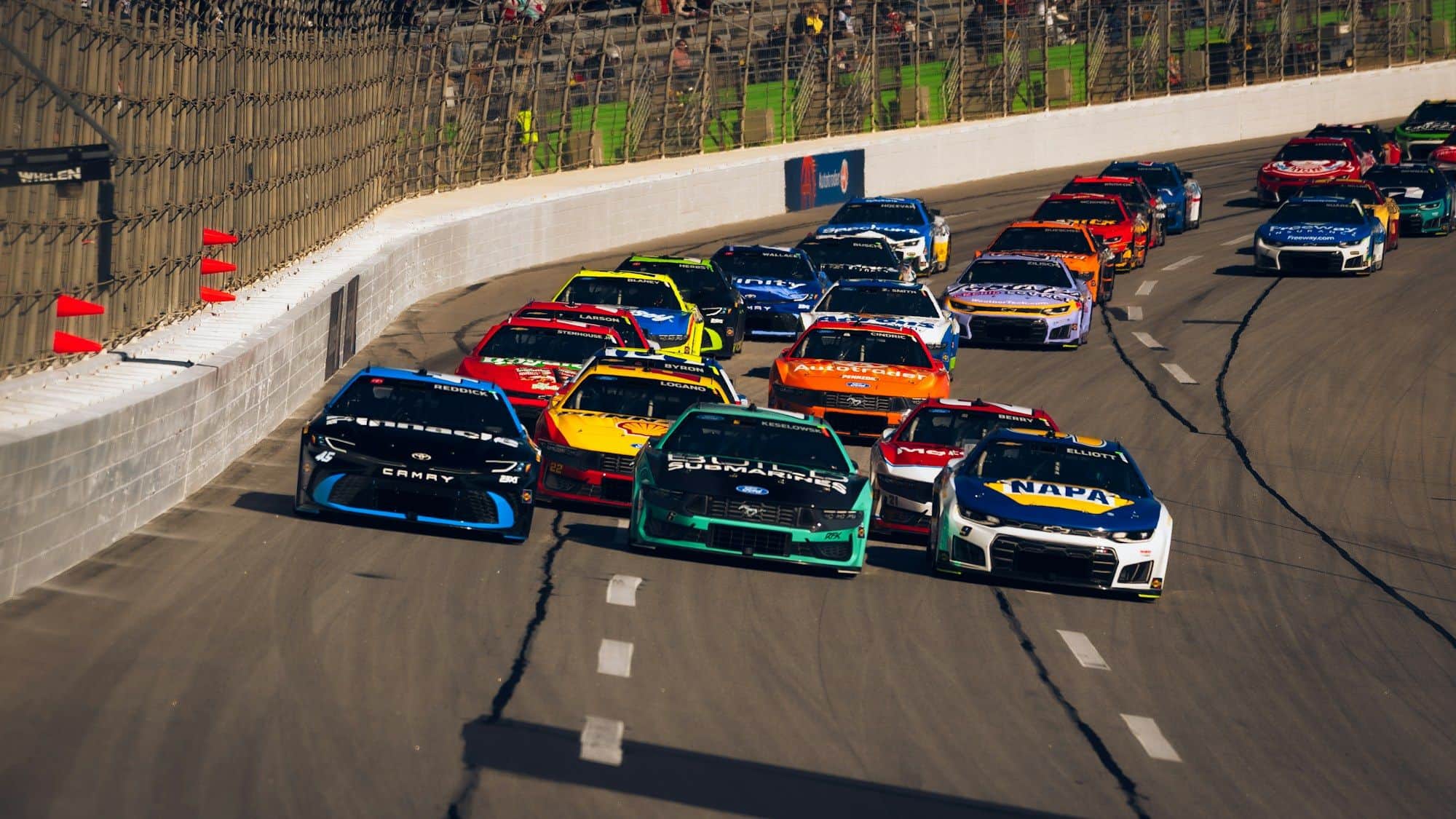
NASCAR just handed intermediate-track racing an 80-horsepower raise, and if you watch the Cup Series on 1.5-mile ovals, this is the most consequential rules change you’ll encounter before the 2027 season drops the green flag.
80 More Horsepower: What NASCAR Officially Decided
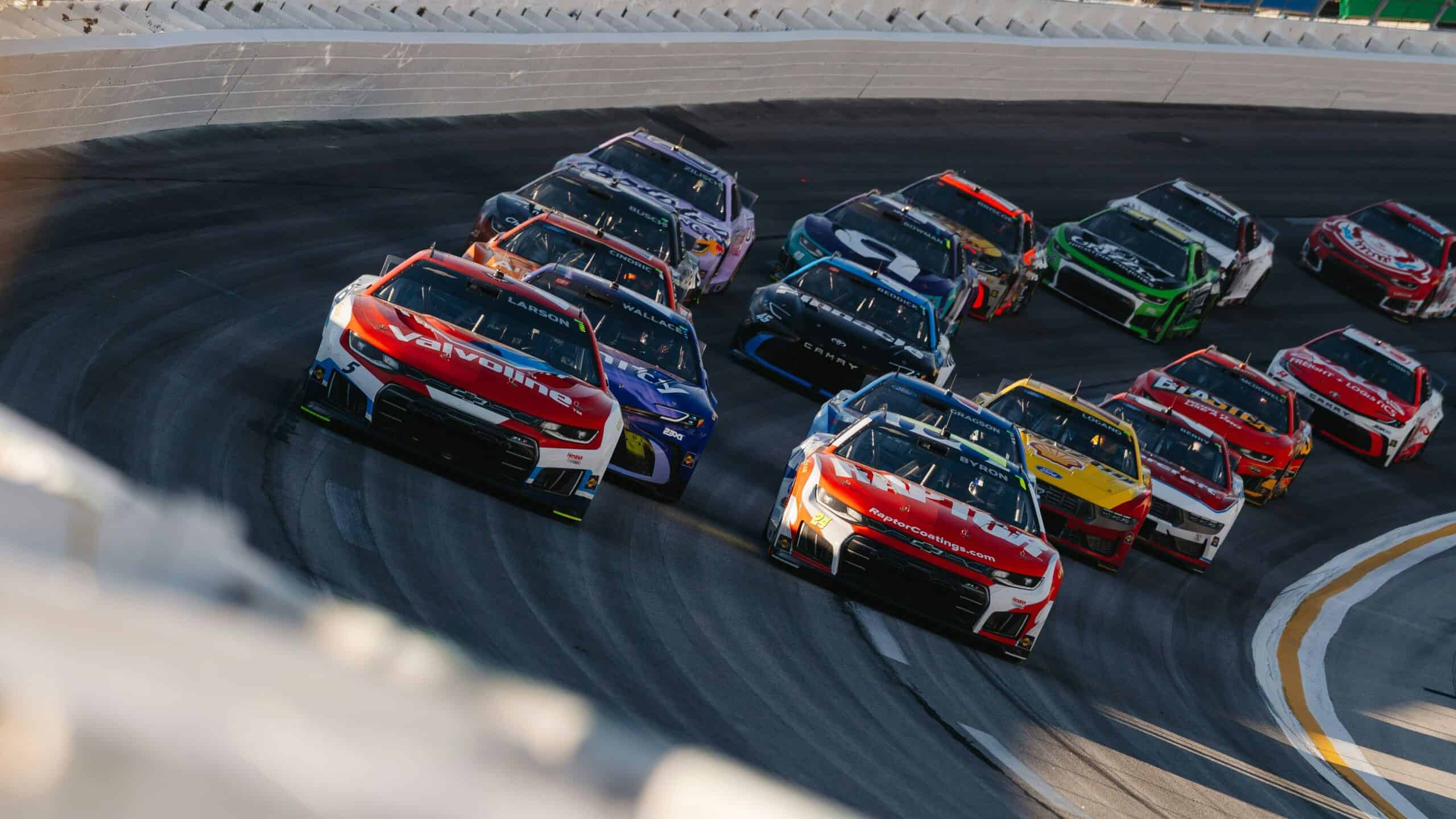
On November 20, 2026, NASCAR confirmed it is raising the target horsepower for intermediate-track Cup Series competition from 670 hp to 750 hp starting in 2027 — an increase of exactly 80 horsepower, or roughly 12 percent more power. The official NASCAR announcement also referenced additional sporting rules updates, though full details on those specifics had not been released as of the announcement date.
This is not a minor calibration adjustment. Moving the sanctioned target from 670 to 750 hp is the kind of change that forces teams to rebuild setup priorities, rethink tire management, and revisit fuel strategy across an entire track category. The change applies to every intermediate-track event on the 2027 Cup Series schedule — it is a wholesale shift in how the Next Gen car performs at the core of the NASCAR calendar, not a one-venue experiment.
If your primary interest in Cup racing is what happens at Charlotte, Las Vegas, Kansas, Texas, Homestead, and Atlanta, this announcement directly redefines what you will be watching next year.
The Starting Gun: Coca-Cola 600, Charlotte, May 30, 2027

The 2027 intermediate-track rules package takes effect at the Coca-Cola 600 on May 30 at Charlotte Motor Speedway — a 1.5-mile oval and arguably the most demanding intermediate on the schedule given its 600-mile race distance. Charlotte is an appropriate venue to debut a horsepower increase: its combination of long green-flag runs, four distinct banking angles, and a race length that punishes fuel and tire inefficiency will immediately expose whether 750 hp is a net positive or creates new on-track complications.
Every intermediate-track race scheduled after May 30 operates under the same 750 hp target. Teams cannot carry over setups calibrated for 670 hp and expect competitive results — there is no grandfathering of prior-spec programs. No announcement has been made about superspeedway, short track, or road course horsepower targets changing alongside this rule; those packages should be treated as unchanged until NASCAR says otherwise.
What ‘Target Horsepower’ Actually Means in NASCAR’s Rules Framework
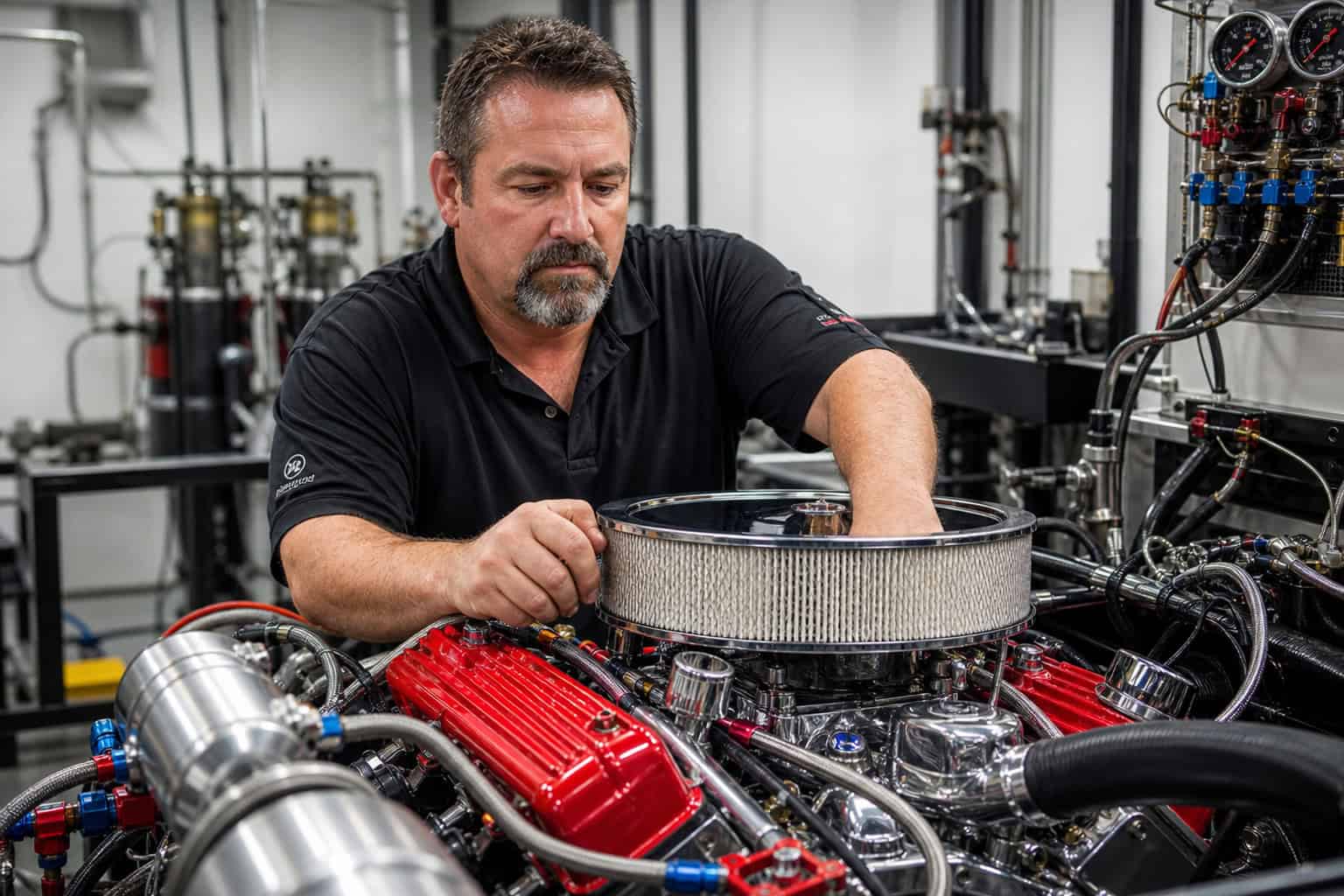
NASCAR uses restrictor plates, tapered spacers, and engine management parameters to push output toward a sanctioned target figure. The 750 hp figure is the aim, not a hard ceiling guaranteed by dyno certification for every competing engine. The shift from 670 to 750 hp represents a loosening of those restriction parameters, giving teams and engine builders more room to extract output while still operating within a controlled, parity-focused envelope.
Because the target is managed through hardware restrictions rather than pure displacement rules, the same engine architecture used at 670 hp is expected to remain viable at 750 hp. The change rewards tuning and airflow optimization rather than a wholesale engine swap. That said, until NASCAR releases the specific technical bulletin detailing the exact restrictor or spacer specification changes, the precise mechanical mechanism behind the 80 hp increase should be treated as announced but not yet fully specified.
Why 80 Horsepower Actually Changes the Racing
More power at intermediate tracks directly increases straightaway speeds, which compresses braking zones and raises the premium on car balance entering corners. Setup philosophies will likely shift toward managing increased entry speed, not just mid-corner grip. Here is what that means across the variables that matter most:
- Tire wear: Higher sustained horsepower accelerates wear on the right-rear tire specifically, which can shorten green-flag pit cycles and force teams into strategic trade-offs between track position and tire life.
- Fuel consumption: Power output and fuel burn move in the same direction. Depending on how significant the consumption increase is at race pace, some intermediate tracks could see an extra pit stop added to optimal strategy windows — a detail teams will model extensively before May 30.
- Competitive parity: The 80 hp addition may reduce the lap-time gap between top-tier and mid-pack equipment, since additional power can mask small aerodynamic deficiencies. Alternatively, it may widen the gap if only the best-resourced engine programs can fully exploit the new ceiling. Both outcomes are plausible; neither is guaranteed.
- Aero package interaction: It is not yet clear whether splitter height or rear spoiler specification will be adjusted to complement the horsepower increase or held constant. If the aero package stays the same, teams face compounded setup uncertainty heading into 2027 pre-season testing.
Which Tracks and Races Are Affected
The horsepower increase covers every intermediate-track event on the 2027 Cup Series schedule. That means 1.5-mile ovals including Charlotte, Las Vegas, Kansas, Texas, Homestead, and Atlanta in its current intermediate configuration all run under the 750 hp target. Intermediate tracks represent a significant plurality of Cup points races in a typical season, so the scope of this change is broad.
Tracks outside the intermediate classification are not covered by this announcement:
- Daytona and Talladega retain their existing superspeedway horsepower targets.
- Short tracks like Martinsville and Bristol are unaffected.
- Road courses operate under a separate package and are not part of this rules update.
What NASCAR Has Not Said Yet — Honest Gaps in the Announcement
The November 20 announcement confirmed the horsepower target and the Charlotte start date but did not release the full 2027 technical regulations package. Specific changes to tapered spacer sizing, rev limits, or other engine management parameters remain to be detailed in a forthcoming technical bulletin. No dyno-verified baseline data has been published confirming what the Next Gen car’s current engine programs actually produce at 670 hp versus what teams will realistically achieve under the 750 hp target — the gap between sanctioned target and real-world output is a key figure to watch as that bulletin emerges.
NASCAR also indicated additional sporting rules updates were part of the announcement. Until those specifics are published, the horsepower change should not be assumed to be the only variable shifting for intermediate-track competition in 2027. What is confirmed is a specific number and a specific start date — the full regulatory picture is still forthcoming.
What This Change Signals and Whether It Matters to You
The move from 670 to 750 hp is a clear, documented acknowledgment from NASCAR that the current intermediate package needed adjustment. The sanctioning body responded with a specific number, a specific date, and a specific track category — not vague language about improving the show.
An 80 hp increase is large enough to genuinely alter competitive dynamics — setup priorities, tire strategy, and fuel windows all shift — but measured enough to avoid destabilizing the chassis or tire programs already built around the Next Gen platform. It reads as a deliberate, engineered step rather than a reactive overhaul.
If you are evaluating whether the 2027 Cup Series season deserves your attention as an intermediate-track fan, the honest answer is yes. Watch for the full technical regulation release and the first intermediate-track test session in early 2027. Those two data points will tell you whether the 750 hp target translates into the on-track product NASCAR is clearly aiming for — or whether the gap between announced target and race-day reality requires another adjustment.