
For most of the 1990s, the Lexus SC300 occupied an awkward middle ground: too soft for the performance crowd, too sporty for traditional Lexus buyers, and quietly dismissed as a dressed-up Supra by the people who actually wanted a Supra. That reputation kept prices suppressed for decades — until the JDM collector wave arrived, rewrote the rulebook, and turned clean SC300s into some of the most compelling appreciating assets in the used car market. If you are thinking about buying one, you need accurate numbers and honest context right now, because the window on rational pricing is closing faster than most buyers realize.
What the SC300 Actually Is

Strip away the badge politics and the SC300 is a well-engineered grand touring coupe built to do one thing well: cover long distances in comfort without embarrassing itself in a corner. The Lexus SC is a two-door, four-passenger, front-engine, rear-wheel-drive GT built on the Z30 platform — the same architecture underpinning the A80-generation Toyota Supra. The SC300 entered the lineup for the 1992 model year and remained in production through 2000, which means the youngest examples are now a quarter-century old and the oldest are approaching 35 years on the road.
The engine is the 2JZ-GE inline-six — naturally aspirated, 3.0 liters, factory-rated at 225 horsepower and 210 lb-ft of torque. That is not the twin-turbocharged 2JZ-GTE from Supra mythology, and that distinction matters when you are budgeting for insurance, tuning costs, or parts availability. Performance by current standards is honest rather than exciting: 0-60 mph in approximately seven seconds, with a quarter-mile time in the neighborhood of about 16 seconds depending on the transmission. For a luxury GT of its era, those numbers were competitive. Today they are adequate — which is entirely appropriate for a car that was never designed to be a drag racer.
| Specification | Detail |
|---|---|
| Engine | 2JZ-GE Inline-6, naturally aspirated |
| Displacement | 3.0L |
| Power Output | 225 hp / 210 lb-ft torque |
| Transmission Options | 5-speed manual (W58) or 4-speed automatic (A340E) |
| Curb Weight | ~3,600 lbs |
| 0-60 mph | ~7.0 seconds |
| Quarter Mile | ~16 seconds |
| Fuel Economy (est.) | ~18 city / 23 highway mpg |
| Production Years | 1992-2000 |
Model Year Differences Worth Knowing

The SC300’s nine-year production run was not static, and the differences between early and late cars affect both usability and collector appeal. The 1992 to 1995 cars used an analog instrument cluster and a slightly different interior trim philosophy that many collectors prefer for its period authenticity. Beginning with the 1996 model year, Lexus updated the interior with revised gauges, improved switchgear, and a slightly refined suspension calibration. The 1997 to 2000 cars also benefit from OBDII compliance, which makes routine diagnostics significantly easier and less expensive. If day-to-day usability is your priority, a post-1996 example is the pragmatic choice. If originality and era-correct aesthetics matter more, the early cars have the argument.
One specification note that buyers sometimes overlook: the manual transmission was never offered on every trim level in every market year. Supply was always limited relative to the automatic, which is a primary reason manual SC300s command a measurable premium today. That scarcity was baked in from the factory floor.
The Valuation Shift: From Trade-In Territory to Collector Pricing

Here is where the SC300’s story becomes genuinely interesting for anyone trying to make a buy decision. KBB data on the 1992 SC300 Sport Coupe 2D places current resale value at approximately $3,572, with a trade-in value around $2,789. Those figures represent the floor — high-mileage, rough-condition automatics that have been through the full depreciation cycle. What the data reveals beyond the raw number is stability: the 1992 SC300 depreciated only about $92, or roughly 2%, over the last three years. On a typical used car, stagnant pricing signals a car nobody wants. On a 30-year-old vehicle, it signals something entirely different — the market has found the bottom and the car is either holding or beginning to appreciate.
The bifurcation above that floor is where things get serious. Low-mileage, manual-transmission SC300s with documented service histories are trading at significant multiples of KBB figures in private sales and specialty auctions. The collector market has separated into two distinct tiers — beaters and survivors — and the gap between them is widening every year. Three compounding factors are driving that separation: the legendary durability of the 2JZ engine family, the SC300’s direct platform connection to the now six-figure Supra, and the accelerating scarcity of unmodified, original-condition examples. Collectors paying Supra-adjacent money for a clean SC300 are not confused. They are doing math that most of the market has not yet caught up with.
SC300 vs. A80 Supra: Why the Slower Car Might Be the Smarter Buy

The comparison between the SC300 and the A80 Supra is inevitable. Here it is without sentiment.
| Specification | Lexus SC300 | Toyota Supra A80 (Turbo) |
|---|---|---|
| Engine | 2JZ-GE (naturally aspirated) | 2JZ-GTE (twin-turbocharged) |
| Stock Horsepower | 225 hp | 320 hp (US spec) |
| 0-60 mph | ~7.0 sec | ~4.6 sec |
| Typical Market Price (clean) | $8,000-$25,000+ | $80,000-$150,000+ |
| Insurance Cost Tier | Lower (GT classification) | Higher (performance classification) |
| Interior Refinement | Lexus luxury specification | Toyota sport specification |
| Manual Transmission Availability | Rare; commands significant premium | More common; premium already priced in |
The Supra’s 2JZ-GTE is the icon — nobody disputes that. But six-figure Supra prices have effectively removed the car from consideration for anyone who actually wants to drive their investment rather than store it. The SC300 gives you the same bottom-end architecture, the same platform DNA, a genuinely superior interior, and an entry point that does not require refinancing your home. The softer GT tuning that performance purists dismissed in 1995 is precisely what makes the SC300 a more livable daily driver today.
Where you need to be honest with yourself: the SC300 is slower, carries no factory turbo option, has a narrower aftermarket ecosystem than the Supra, and was produced overwhelmingly with automatic transmissions. If you need the turbocharged experience or the Supra’s outright performance credentials, no amount of platform-adjacency reasoning will fill that gap. But if you want the chassis, the engine family, and the era at a fraction of the cost — with a genuinely refined interior on top of it — the SC300’s case stands on its own terms.
The 2JZ-GE Engine: Reliable, Not Mythological

The 2JZ-GE has inherited some of its turbocharged sibling’s legend by association, and while that is partially deserved, buyers should understand what they are actually purchasing. This is a naturally aspirated engine with a robust bottom end — Toyota built substantial strength into the short block — wrapped around a valvetrain and cooling system that is now three decades old on even the youngest examples. These engines genuinely do reach 200,000 to 300,000 miles with consistent, correct maintenance. That is not marketing. That is what happens when an automaker engineers to a standard well above what the application strictly required.
The realistic weak points on any example you are considering today: valve cover gaskets that weep oil on high-mileage units; a timing belt service that is absolutely non-negotiable given that the 2JZ-GE is an interference engine — a snapped belt means the valves meet the pistons, and that conversation ends with an engine rebuild; a water pump that should be replaced on every timing belt job as a matter of course; and coolant systems that have frequently gone unflushed for years on neglected cars. None of these issues are catastrophic if you know about them before purchase. All of them become expensive surprises if the previous owner deferred them and you failed to verify the service record.
On fuel consumption, expect 18 to 22 mpg in real-world mixed driving depending on how you use the throttle. That is not efficient by any current benchmark, but it is reasonable for the displacement and the performance class. Do not allow any seller to position a 3.0-liter inline-six grand touring coupe as an economical choice — the numbers do not support it.
On the question of turbocharging: yes, the 2JZ-GE can be turbocharged. No, you should not factor that possibility into your purchase rationale unless you have a dedicated budget well beyond the cost of the car itself. A properly engineered twin-turbo conversion on an SC300 — done correctly, with supporting modifications — costs more than the market value of most SC300s. If you want a turbocharged 2JZ, buy one that left the factory that way and pay accordingly. Do not buy a project SC300 expecting to arrive there cheaply, because you will not.
Common Problems by Mileage Range
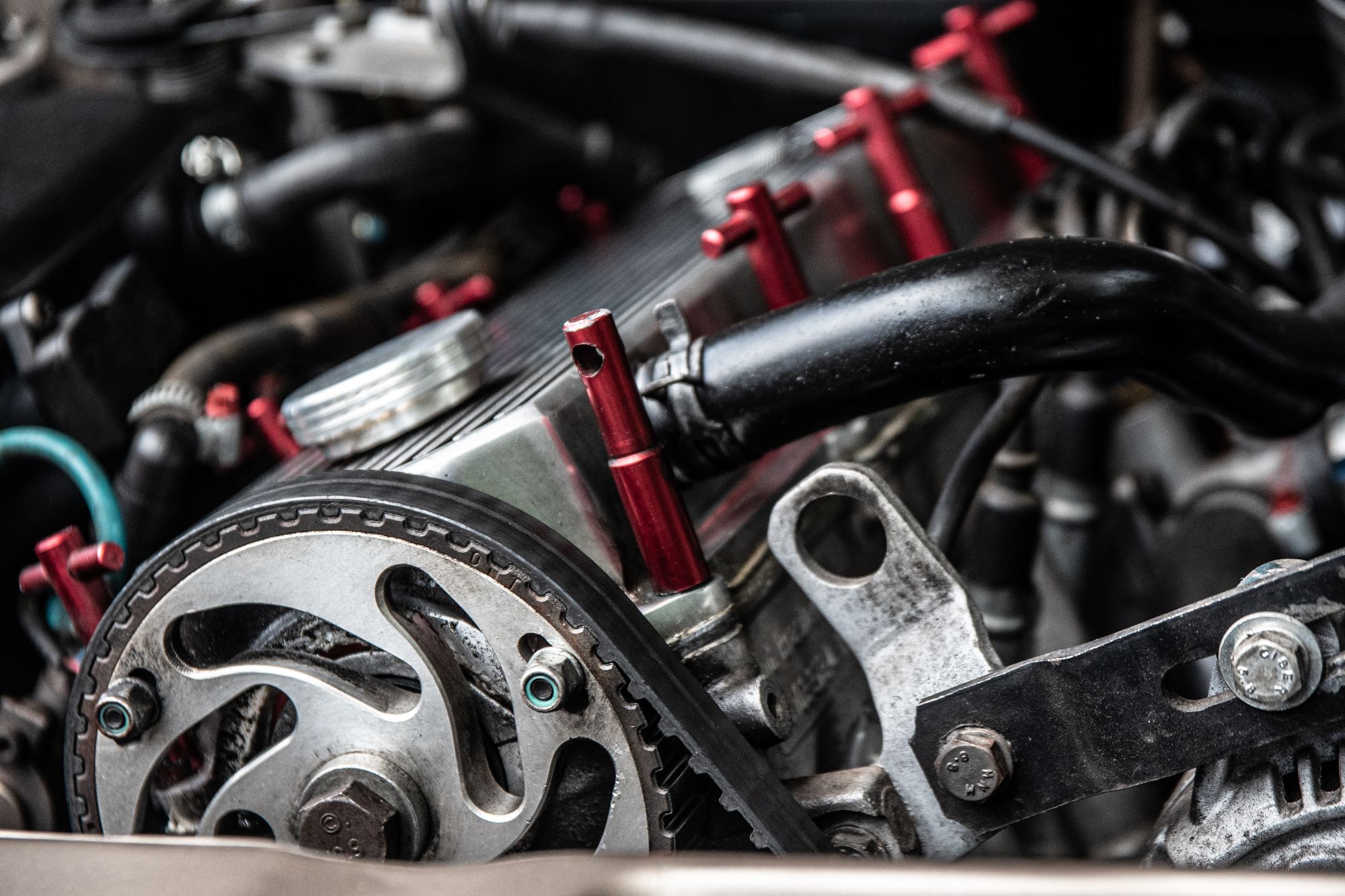
Understanding when specific problems tend to surface helps you evaluate any car against its odometer reading rather than treating all SC300s as an undifferentiated risk pool.
- Under 80,000 miles: These cars are often in strong mechanical shape, but verify timing belt history regardless — some low-mileage examples sat for years between owners and are overdue by time rather than distance.
- 80,000-150,000 miles: The range where deferred maintenance accumulates. Valve cover gaskets, coolant flush, and differential fluid are the priorities. Inspect the rear wheel arches carefully for rust starting at drain plugs and seams.
- 150,000 miles and above: Expect to budget $2,000 to $4,000 for catch-up maintenance even on a reasonably kept example. These cars are not worn out at this mileage — many are just getting broken in properly — but the service interval math becomes unforgiving if anything has been skipped.
SC300 Buying Guide: What to Check, What to Walk Away From
If you are actively shopping, start with the transmission specification. The 5-speed manual — the W58 gearbox — is the specification that defines the collectible tier of this market. Finding one requires patience and willingness to travel or wait out the search. If you are evaluating an automatic, price it accordingly and do not allow a seller to close that gap with subjective arguments. The market prices transmission consistently and has for years.
On body and structure, the Z30 platform has documented rust vulnerability at the rear wheel arches, the trunk floor, and the rocker panels. These are your inspection priorities before you evaluate anything else on the car. At current pricing for clean examples, there is no reason to accept structural rust. Walk away. Sound cars exist, and the search time is worth it. Browsing current SC listings by model year will give you a grounded sense of regional availability and the realistic relationship between condition and asking price in the actual market.
Service documentation is not optional. Demand verifiable proof of timing belt replacement — mileage, date, and ideally the shop record. Ask for cooling system service history and differential fluid changes. A car without records is not a deal; it is a liability presented as an opportunity. Deferred maintenance on a 30-year-old car can run $3,000 to $5,000 before you are driving it with any confidence, which eliminates the apparent pricing advantage on any sub-$6,000 purchase.
Realistic market tiers as of current pricing:
- Under $5,000: High-mileage automatics with deferred maintenance and cosmetic wear. Driver quality at best, project car at worst. Budget conservatively for surprises and do not expect appreciation.
- $8,000-$15,000: Solid, properly maintained examples with reasonable documentation and presentable condition. This is the functional sweet spot for a reliable GT you can actually use on a regular basis.
- $20,000 and above: Low-mileage manuals with thorough documented history, unmodified original condition, and clean structure. This is the collectible tier, and the ceiling here is still moving upward.
Ownership Costs: What to Budget Beyond the Purchase Price
Buyers who focus exclusively on the sticker price routinely underestimate what SC300 ownership actually costs in the first year. These are the line items you should build into your budget before committing to any purchase.
- Timing belt and water pump service: $600 to $1,200 at an independent shop, depending on what ancillary components need replacement at the same time. Non-negotiable if history is unknown.
- Cooling system flush and thermostat: $200 to $400. Often overdue on any car that changed hands multiple times.
- Valve cover gasket replacement: $300 to $600 at a shop. DIY-feasible if you are comfortable with basic engine work.
- Differential and transmission fluid service: $150 to $300 combined. Frequently skipped in standard service intervals and critical on a rear-wheel-drive car.
- Suspension refresh (if neglected): $800 to $2,500 depending on how many bushings and components need replacement. Inspect the front control arm bushings carefully on high-mileage cars.
- Insurance: Substantially lower than the A80 Supra in most markets due to the GT rather than performance classification. Get a quote specific to your zip code before finalizing a budget.
The Honest Verdict: Buy, Wait, or Walk Away
The case for buying a clean SC300 right now is straightforward: you acquire a genuinely reliable grand touring coupe powered by one of the most respected engine families ever put into production, with legitimate collector upside driven by shrinking supply and a clear connection to a platform the market already values at multiples of what the SC300 costs today. The depreciation data indicates the floor has been established. Auction results on clean manual examples indicate the ceiling is still in motion.
The case against is equally honest: if you need a trouble-free daily driver on a constrained budget, a rough automatic SC300 under $5,000 is a gamble that loses frequently. These are old cars with old-car problems, and the cheapest examples are inexpensive for reasons that become apparent quickly. Deferred maintenance can convert a $4,000 apparent bargain into an $8,000 frustration inside six months.
The investment thesis applies specifically to the right car: manual transmission, unmodified, documented service history, structurally clean. That combination is the SC300 that appreciates. A modified automatic is a hobby car — enjoyable on its own terms, but do not expect the market to reward it the way it rewards original, well-preserved examples. The SC300 spent thirty years being underestimated. The cars that arrive at this moment in the best condition are the ones you will wish you had purchased when the pricing still made sense.