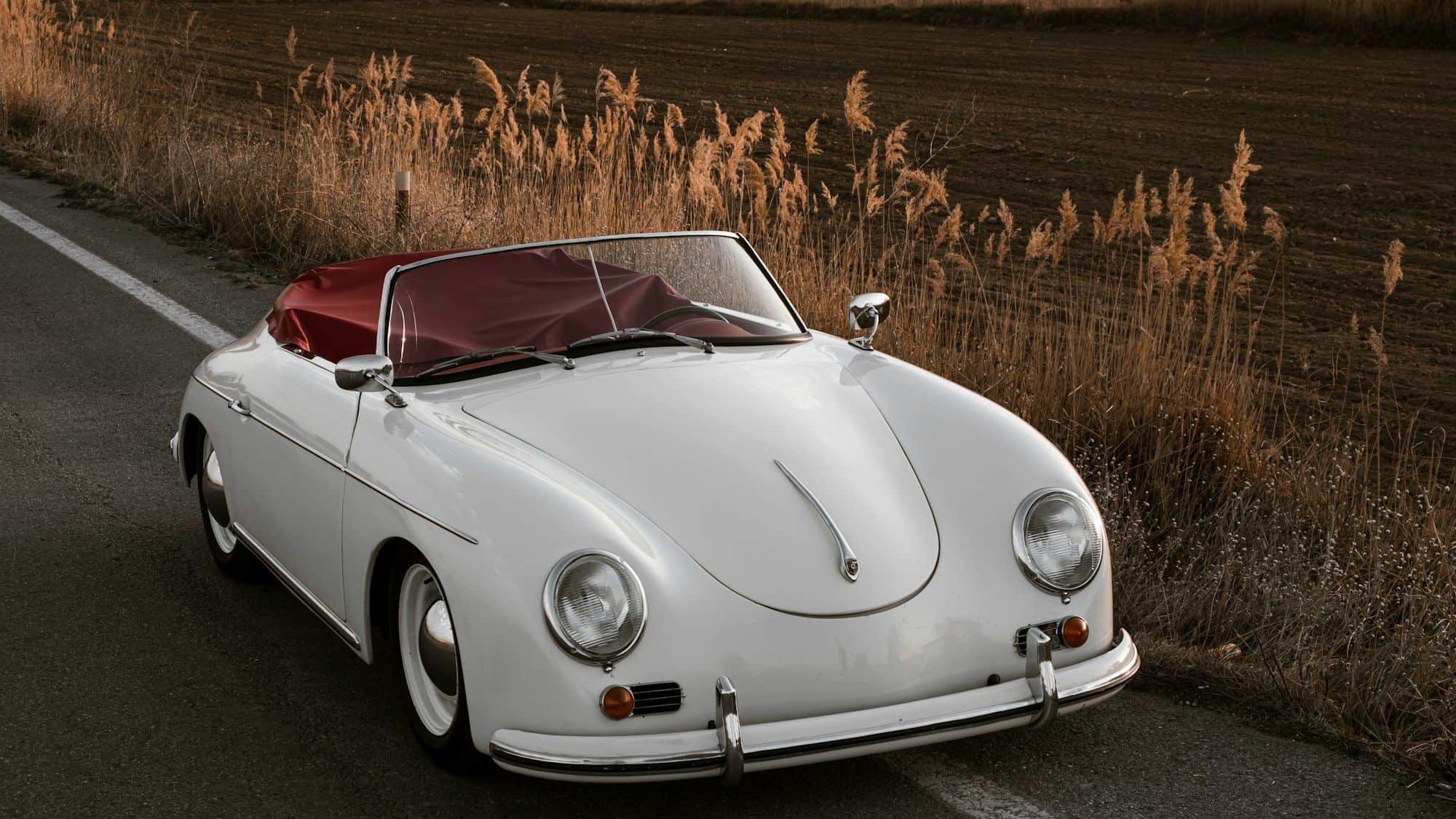
Classic car EV conversion has moved far enough from the backyard-experiment fringe that dedicated kit makers and specialist shops now offer bolt-in and bespoke solutions for everything from first-generation Mustangs to air-cooled Porsches. But the five trade-offs below are the ones nobody headlines in the brochure, and they will determine whether your project ends up on the road or in a prolonged, expensive stall.
The Dream Is Real — So Is the Reality Check
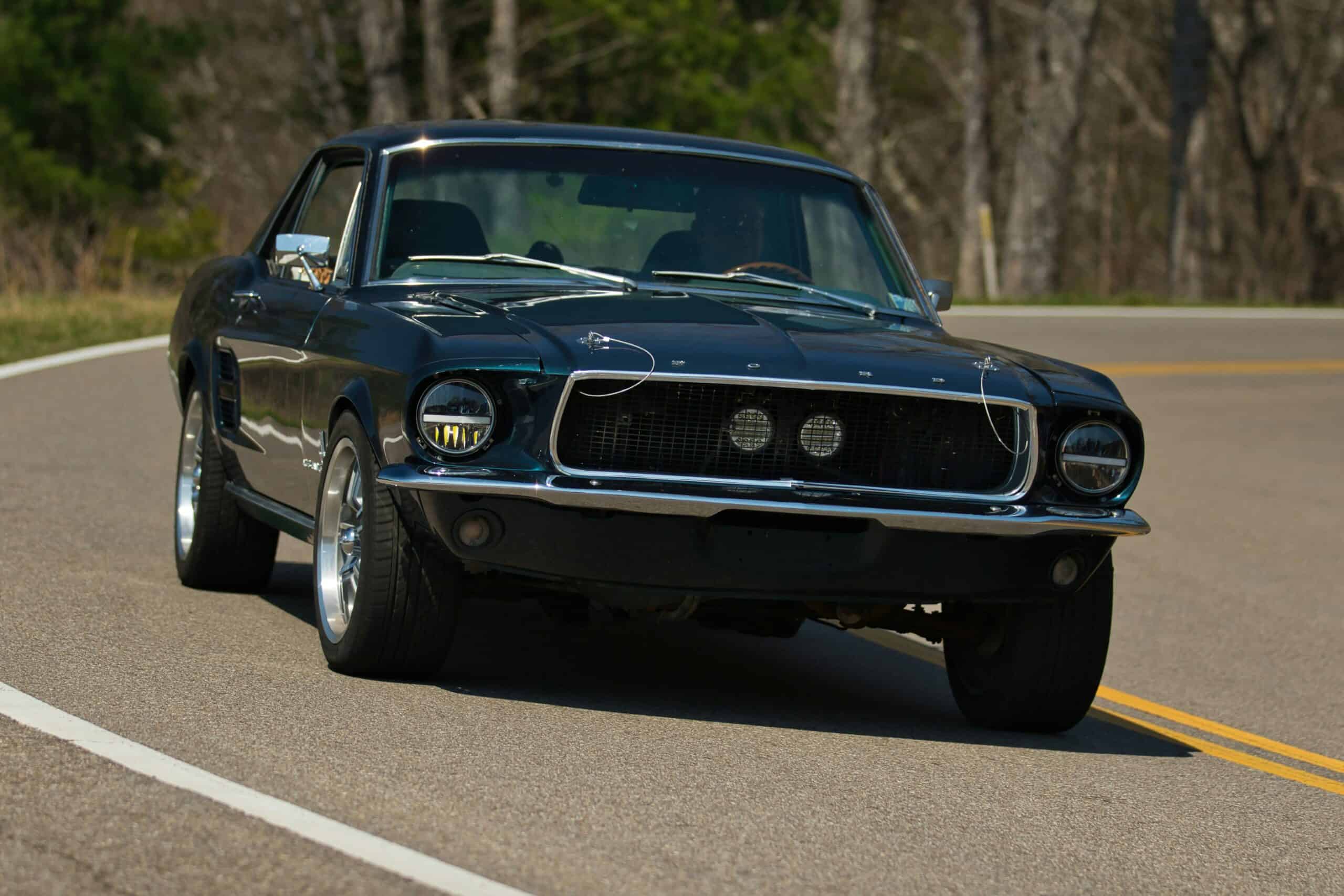
The appeal is genuine. Documented conversions show measurable gains in acceleration and low-end torque over stock powertrains, and high-end restomod EV conversions are attracting serious collectors who want guilt-free, high-performance use of a beloved body style without the museum-piece obligations. The physics of instant torque delivery make the performance case without any marketing assistance.
What the kit sellers rarely lead with is the full picture on cost, fitment, range, legality, and what daily ownership actually feels like in year two. Survey data suggests only roughly a quarter of classic-car enthusiasts approve of converting vintage vehicles to electric power — which means the moment you plug in, you are already a minority opinion inside a passionate community. That social reality has practical consequences for concours eligibility, club categories and resale, all of which are covered below.
1. The Cost Curve Is Steeper Than the Brochure Suggests
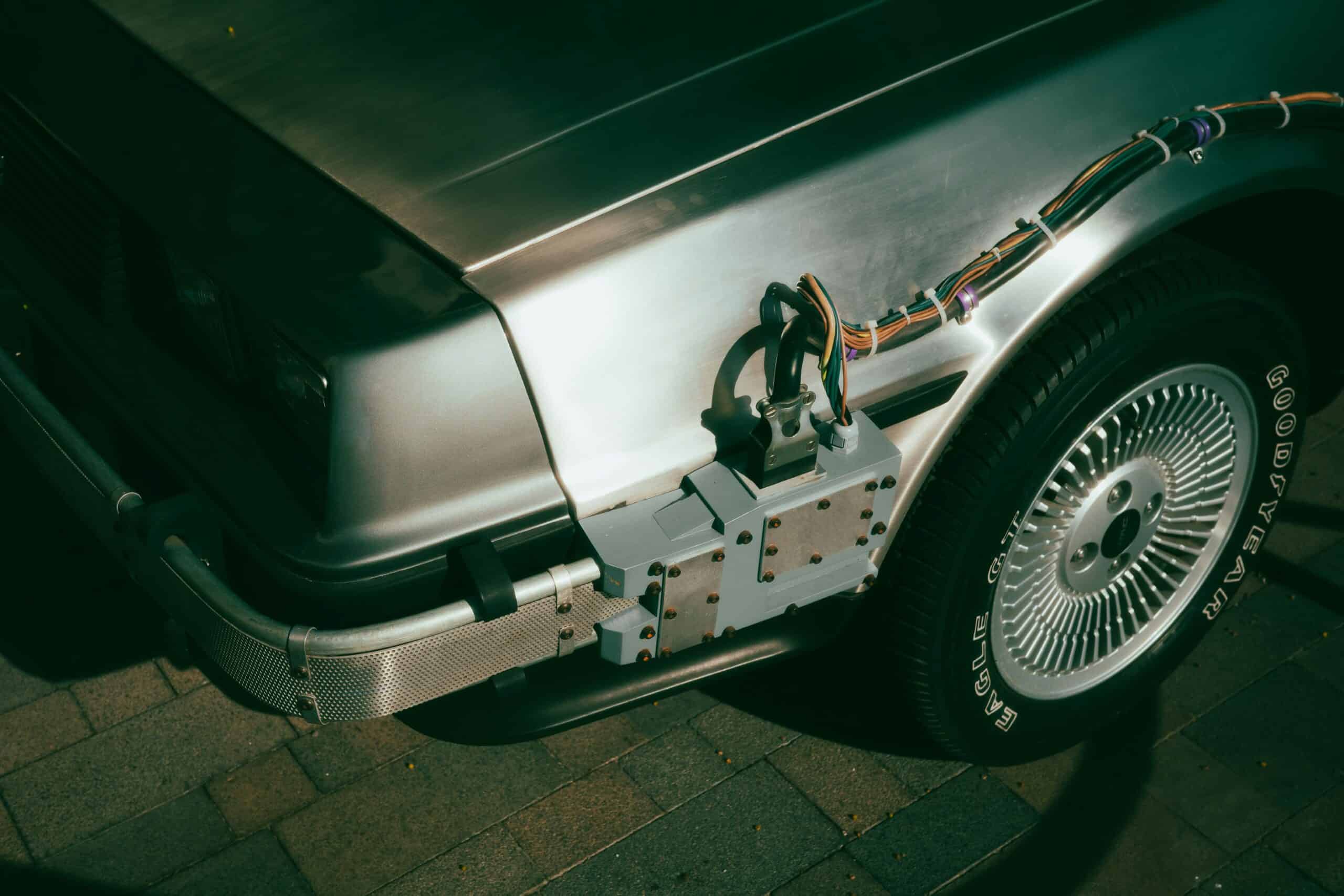
Entry-level classic car electric motor conversion kits start in the $8,000-$15,000 range for motor, controller and basic wiring. A credible turn-key restomod EV conversion by a specialist shop routinely runs $40,000-$80,000 or more before donor-car acquisition. Verify current pricing directly with your chosen shop: component costs shifted significantly through 2024-2025 and published figures date quickly.
Battery packs are the single largest line item. A usable 40-60 kWh lithium pack — enough for roughly 100-150 miles of real-world range in a lightweight classic — adds $12,000-$25,000 at mid-2020s wholesale pricing, and that figure does not include the custom battery enclosure your chassis will almost certainly require. Hidden labour multipliers compound from there: fabricating motor mounts, relocating fuel-system components, upgrading the 12V electrical harness to handle EV ancillaries, and sourcing period-correct-looking components if originality matters to you.
Before you compare any electrify-classic-car kit against a finished restomod build, get a fully itemised quote covering motor, battery, battery management system, charger, cooling circuit, structural modifications, alignment and registration. Those figures are rarely apples-to-apples, and the gap between kit price and total project cost is where most budgets break down.
2. The Best EV Swap Kit for Your Car Probably Isn’t the Most Advertised One
Kit suitability is dictated by three physical constraints nobody can override: available tunnel and floor space for the battery pack, the torque rating of the original transmission or the viability of going direct-drive, and front-to-rear weight distribution after the swap. Cross-reference any kit against the actual kerb weight and wheelbase of your donor car — not the builder’s headline “compatible models” list, which is frequently aspirational rather than engineering-validated.
Some of the most compelling classic car EV conversion results use purpose-engineered drop-in crate units: motors and reduction gearboxes designed to mate to the original bellhousing pattern rather than adapted industrial or EV-salvage motors. That approach can preserve the stock shifter, clutch pedal feel on manual cars, and weight balance in ways that generic motor-and-adapter solutions cannot.
One of the more technically interesting developments in the field is drivetrains engineered to visually resemble the engines they replace, preserving engine-bay aesthetics for show judging or personal preference. That is an engineering choice with real cost implications, not merely a cosmetic one — budget accordingly if it matters to you.
3. Range and Charging Are Governed by Physics, Not Marketing Copy
A lightweight classic under approximately 1,200 kg (about 2,650 lb) with a 40 kWh pack and an efficient motor will return roughly 3-4 miles per kWh in mixed driving — call it 120-160 miles of realistic range. Heavier body-on-frame trucks and muscle cars consume more and return less; adjust your expectations before you specify a pack size.
Home Level 2 charging at 7.2 kW AC will replenish a 40 kWh pack overnight from near-empty. DC fast-charge compatibility depends entirely on the onboard charger you specify, and many conversion builds omit CCS hardware to save cost and weight — leaving the car Level 2-only for its entire life. Unlike a production EV, your converted classic has no over-the-air battery management updates, no manufacturer-validated degradation curve, and no dealer warranty on pack chemistry. Battery health is your responsibility and your expense.
If your use case involves long interstate runs rather than weekend driving and local shows, map the range numbers against your actual routes before committing to a pack size. Upsizing the battery mid-build is structurally and financially painful — it is not a decision you want to revisit after the floor has been modified.
4. Registration, Insurance and Resale Are Uncharted Territory in Most Markets
Vehicle registration requirements for converted EVs vary by state and country. Some jurisdictions require an emissions inspection waiver, a revised title listing the new powertrain, or a referee inspection. Confirm current local requirements with your DMV or equivalent authority before the build begins — not after metal has been cut and original components discarded.
Classic car insurers who specialise in agreed-value policies for unmodified vehicles may void or exclude coverage on a converted car. A small number of specialist insurers now write policies for EV restomods, but premiums and stated values differ substantially from stock-vehicle equivalents. Shop that coverage before the project starts, not when you are trying to register the finished car.
Resale value for converted classics is genuinely difficult to predict. Interest in classic car EV conversion is growing, and a small but real buyer pool exists for high-quality restomod builds — but auction comparables are sparse and provenance documentation matters more than it does for a stock restoration. Full conversion records, battery cycle counts and BMS data logs are what a future buyer’s appraiser will ask for. If collector value matters to you, retain all removed OEM drivetrain components; reversibility is a documented factor in how some appraisers assess converted vehicles.
5. The Ownership Experience Changes in Ways That Aren’t Always Wins
The sensory signature of your classic — intake noise, exhaust note, gear-change character — is gone after conversion. Acceleration improves measurably and instant torque delivery is well-documented, but whether that trade satisfies you is personal. Road-test someone else’s completed conversion before you commit to your own build; it is the single most useful thing you can do at the research stage.
Maintenance shifts away from oil changes and ignition tuning toward battery thermal management, contactor health and BMS software — a different skill set that most traditional independent mechanics do not currently carry. Factor in the cost and local availability of qualified EV-conversion specialists before you assume ongoing servicing will be straightforward.
Weight distribution changes after a conversion are real and consequential. A large battery pack mounted in the floor or boot alters handling balance, and suspension re-tuning is frequently necessary to recover the ride and cornering behaviour the car had in stock form. That work adds cost and time that rarely appears in a kit seller’s headline figure.
Community acceptance remains mixed. With a substantial majority of classic-car enthusiasts not enthusiastic about EV conversions, there are practical implications for concours eligibility, club membership categories, and the social dimension of ownership — which many buyers value as much as the driving itself. The argument that electrification future-proofs classic cars for the next generation is a genuine one, but it does not automatically translate into acceptance in established club judging classes today.
So Should You Do It? A Practical Framework
EV conversion makes the clearest financial and experiential sense when your primary use is regular urban or commuter driving in a car whose original drivetrain is already beyond economic repair. The performance upgrade is real, running costs drop, and you are not destroying a matching-numbers collectible in the process.
If you own a numbers-matching, low-production or historically significant vehicle, the conversion cost, resale risk and community reception arguments all point toward keeping it stock or pursuing a traditional restomod with a crate combustion engine instead. The electric classic car conversion cost alone rarely justifies the trade-off against a car whose collector value depends on originality.
For the driver whose priority is guilt-free, high-performance use of a beloved body style without museum-piece pretensions, a quality restomod EV conversion — budgeted honestly at full project cost rather than kit price alone — is a legitimate and increasingly well-supported path. Whatever you decide: get the total cost in writing, verify registration requirements in your specific jurisdiction before anything is cut or removed, and talk to owners of completed builds rather than just kit sellers about what years two and three of EV classic ownership actually look like.