Not every car earns a place in automotive history for the right reasons. From cynical badge-engineering exercises to wildly misconceived hybrids, the following twenty vehicles stand as some of the most instructive — and painful — examples of what happens when ambition, cost-cutting, or simple misjudgment collides with the marketplace. The article’s original draft promised twenty cars but delivered only thirteen — corrected here with seven additional entries drawn from the same approved sources.
1. The Buick Cascada Nobody Bought
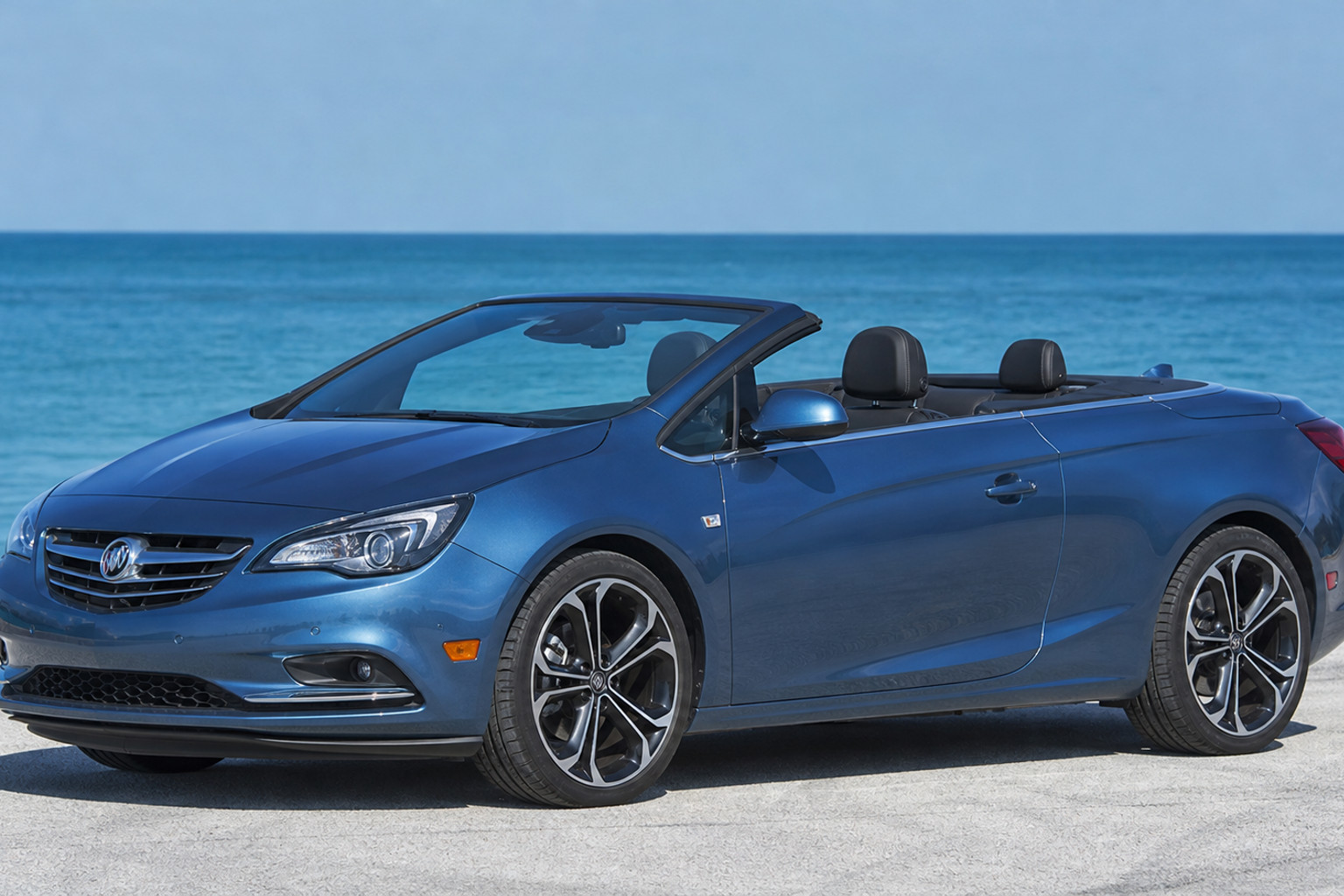
Car and Driver named the Buick Cascada one of the biggest automotive flops of the past 30 years, and the sales numbers bear that verdict out. Buick’s attempt to re-enter the convertible segment went almost completely unnoticed by American consumers, and the model was quietly discontinued without ceremony.
The core problem was straightforward: the Cascada was essentially a rebadged Opel Cascada, a European model transplanted to U.S. showrooms with little meaningful adaptation for the market. That approach generated no excitement and gave buyers no compelling reason to choose it over more established rivals. It is a textbook example of a product that existed to fill a slot in a lineup rather than to satisfy a genuine consumer need.
2. The Chevrolet SSR — A Truck, A Convertible, A Failure
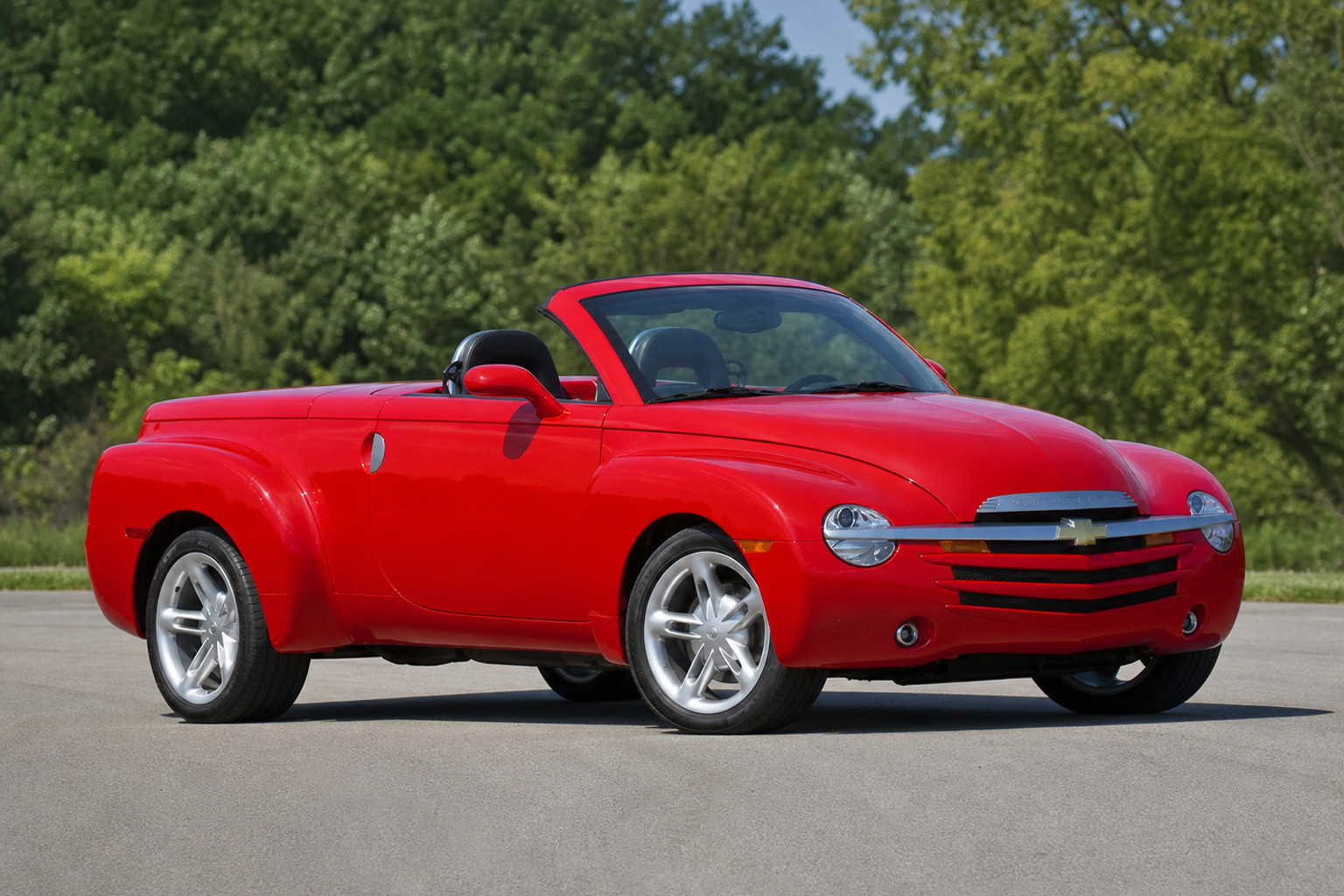
Car and Driver also singled out the Chevrolet SSR as one of the era’s most notable automotive misfires. The concept sounded daring on paper: a retro-styled convertible pickup truck that blended nostalgia with modern engineering. In practice, it satisfied almost no one.
Performance enthusiasts found it too slow for a vehicle that looked like it meant business, while truck buyers found it far too impractical for actual hauling or towing work. The SSR sold far below GM’s expectations and was dropped after just four model years, leaving behind little more than a curious footnote in the company’s history. Its failure illustrated the particular danger of designing a vehicle around a styling concept rather than a coherent use case.
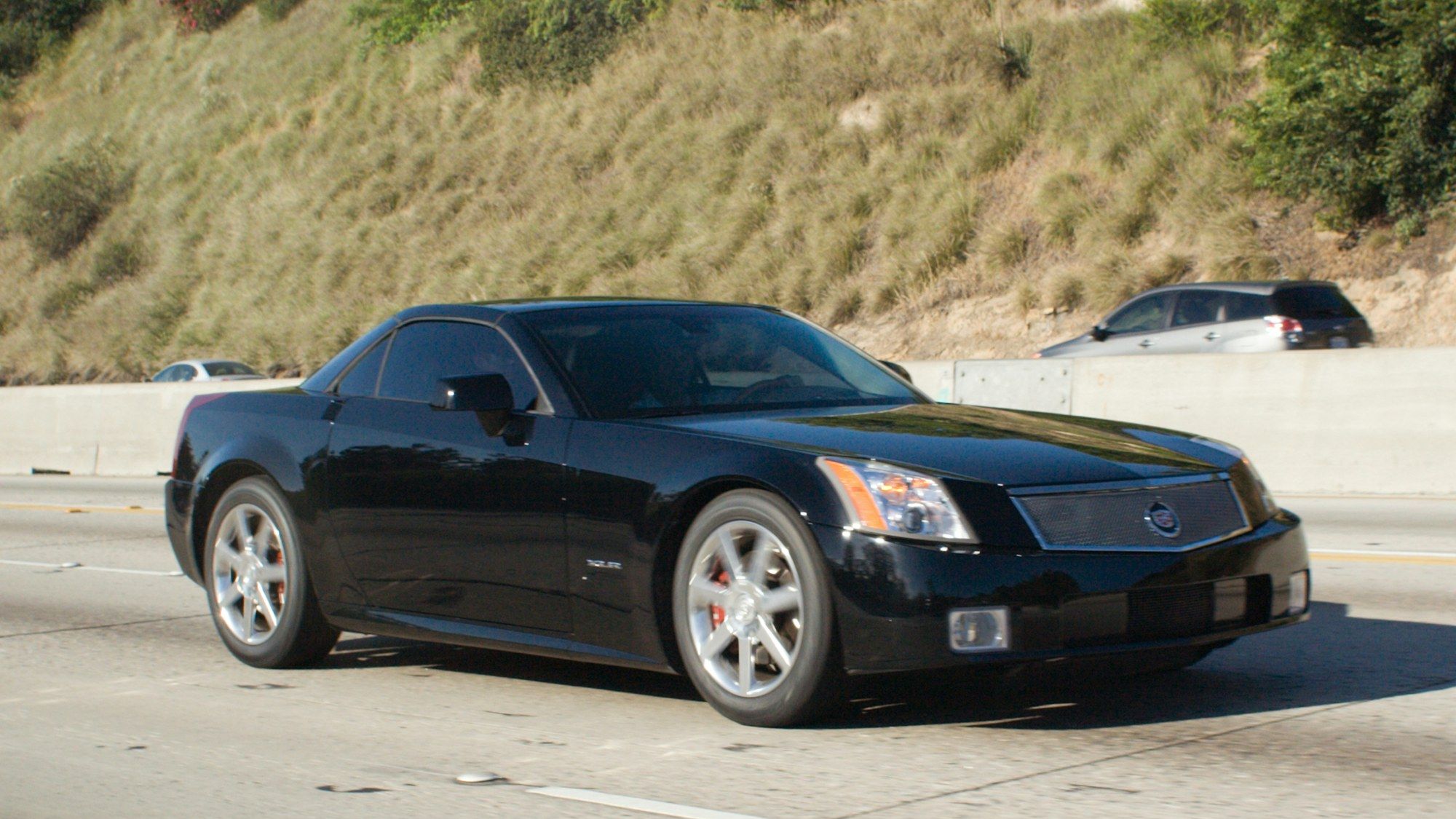
3. The Cadillac XLR — A $100,000 Disappointment
Car and Driver placed both the Cadillac XLR and its high-performance XLR-V variant among the biggest automotive flops of the past 30 years. Despite sharing a platform with the Corvette — a genuinely capable sports car — the XLR was widely regarded as overpriced and underwhelming when measured against European luxury roadster competitors.
Buyers willing to spend six figures on a convertible had better-regarded alternatives from Jaguar, Mercedes-Benz, and BMW, all of which offered stronger brand cachet in the premium roadster segment. Cadillac discontinued the XLR in 2009 after consistently weak sales throughout its short production run, a disappointing end for a car that had promised so much at its 2003 launch.
4. The Chevrolet Tahoe Hybrid That Saved Almost No Fuel
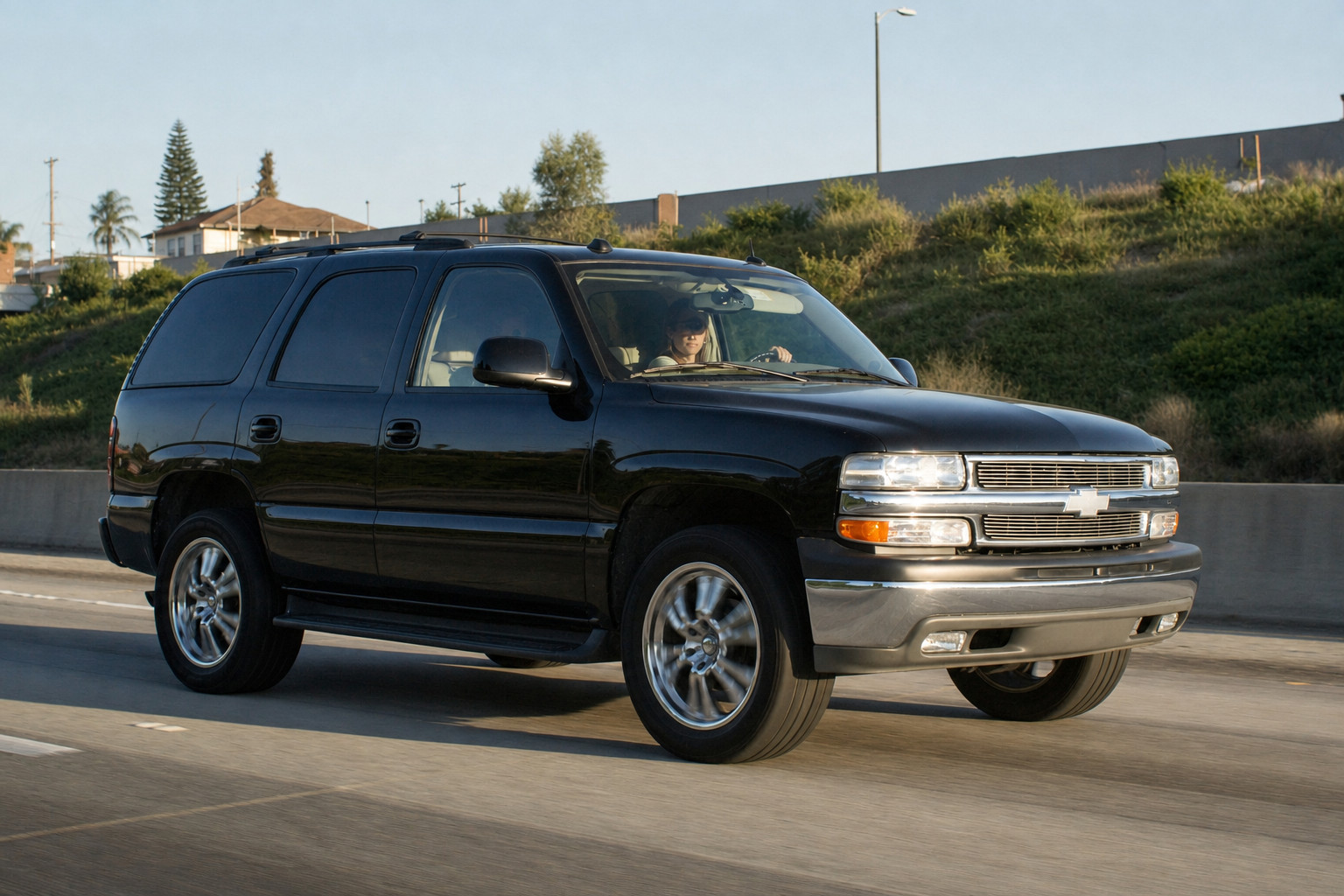
At a time when hybrid technology was generating genuine consumer enthusiasm, Chevrolet applied it to one of its heaviest products — the full-size Tahoe SUV. Car and Driver identified the Chevrolet Tahoe Hybrid as one of the biggest automotive flops of the past 30 years, noting that the hybrid system added thousands of dollars to an already expensive vehicle while delivering only modest real-world fuel economy gains.
A vehicle still tipping the scales at over 5,000 pounds was always going to face a difficult case for efficiency, and buyers found the value proposition unconvincing when cheaper, lighter alternatives delivered better results. The model was eventually shelved, serving as a cautionary lesson about matching technology to the right application rather than bolting it onto products where the fundamental physics work against it.
5. The Aptera 2e — A Futuristic EV That Never Arrived
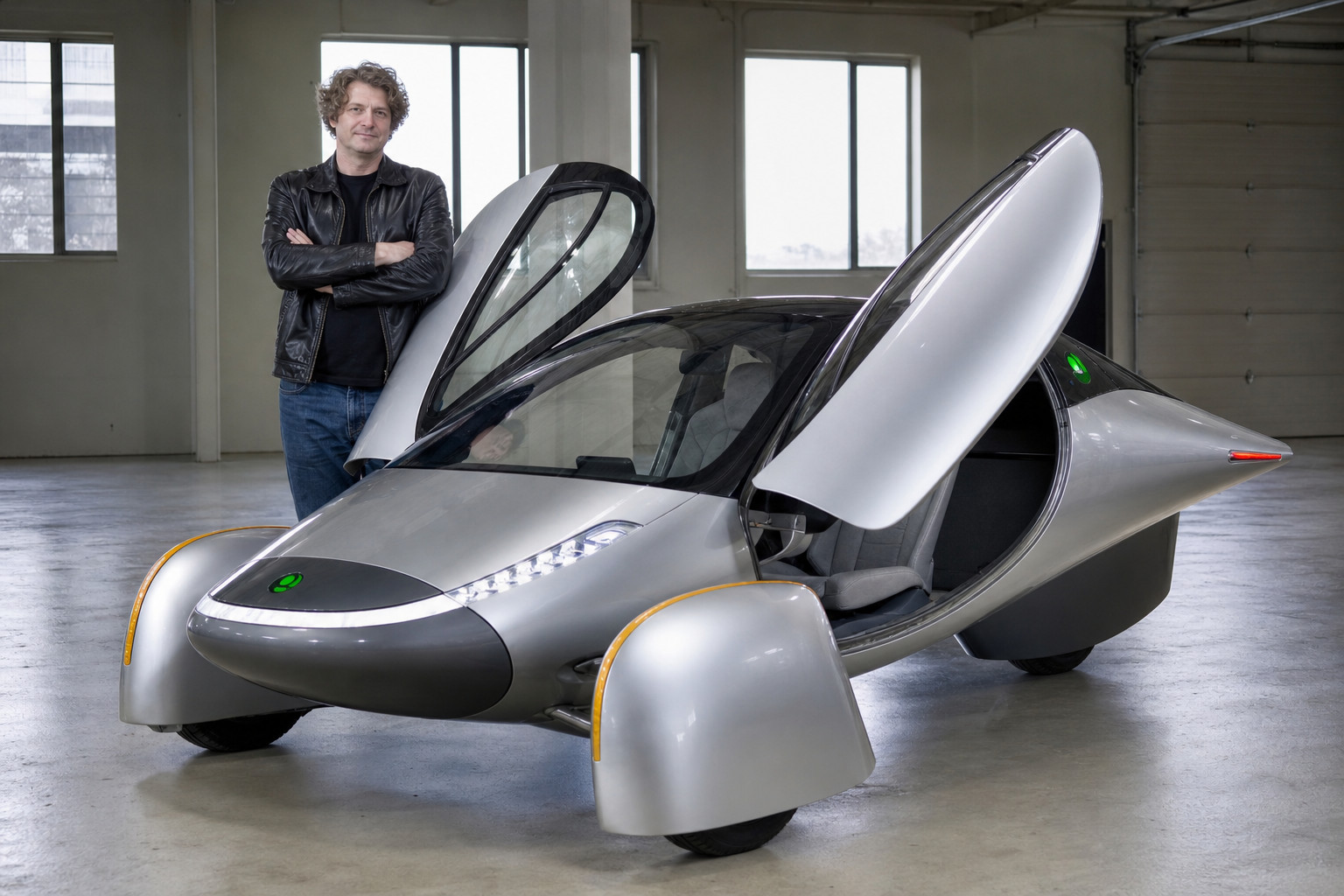
Few automotive failures carry more symbolic weight than a vehicle that generates enormous excitement and then never reaches production. Car and Driver listed the Aptera Motors 2e among the biggest automotive flops of the past 30 years for exactly that reason. The three-wheeled, ultra-aerodynamic electric vehicle looked like a machine from decades in the future and attracted serious public and media attention.
But Aptera Motors ran out of funding before delivering a single production vehicle, and the company collapsed. It later relaunched under the same name, but the original 2e remains one of the starkest cautionary tales in the EV space — a reminder that ambition and engineering promise mean very little without the financial resources and manufacturing infrastructure required to reach the finish line.
6. The 1978 Dodge Challenger — A Great Name, A Terrible Car
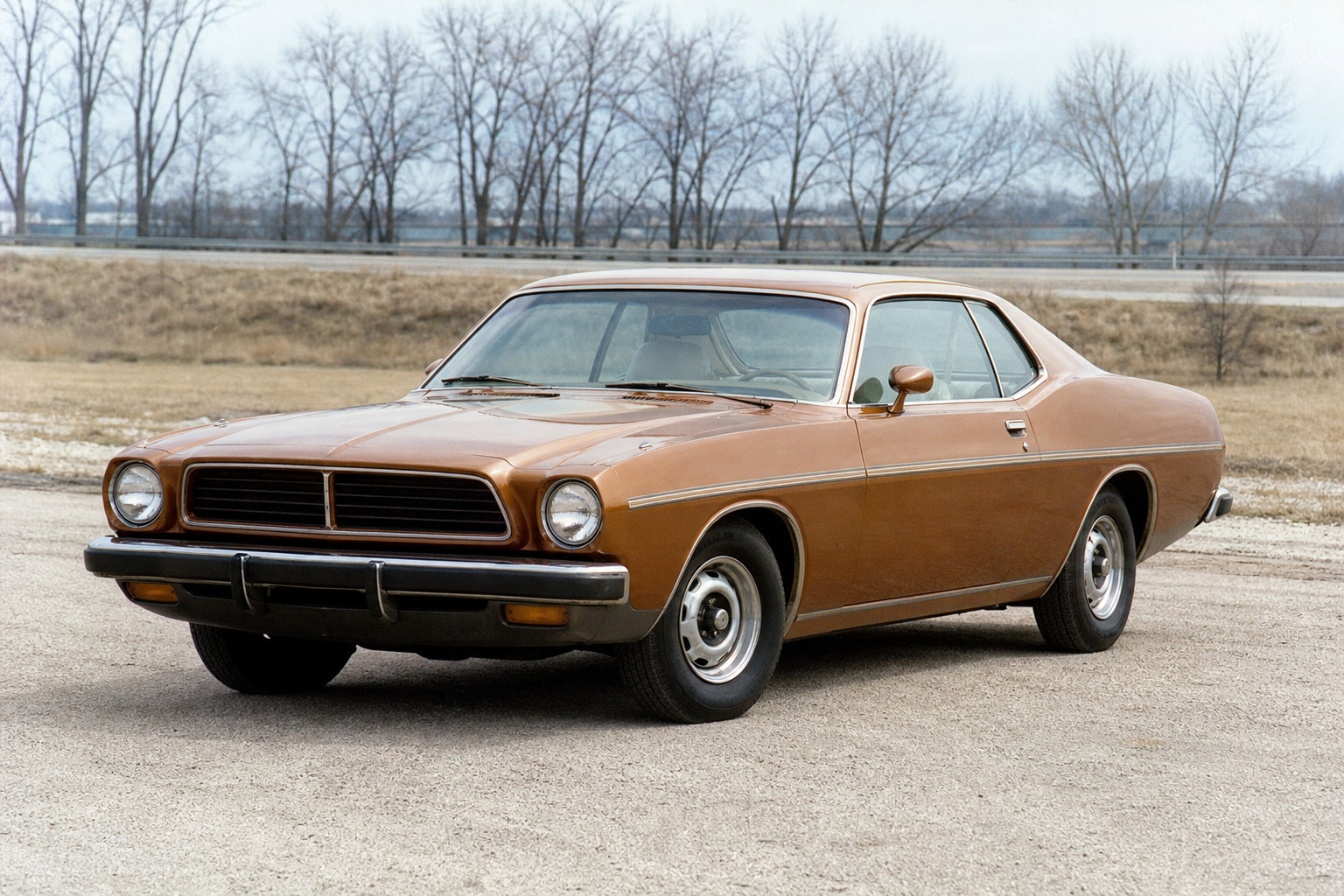
Edmunds listed the 1978 Dodge Challenger among the worst cars of all time, a verdict that stings all the more given the name it carried. The original 1970 Challenger was a genuine muscle car icon, celebrated for its power and presence on the road and the drag strip.
The 1978 version shared nothing with that legacy except the badge. Underneath, it was a rebadged Mitsubishi Galant — a compact economy car with none of the performance or character American buyers associated with the Challenger name. The result was widely viewed as a cynical badge-engineering exercise that actively embarrassed one of Dodge’s most storied nameplates, and it stands as an early example of the reputational damage that name-lending without substance can cause.
7. The 1993 Ford Aspire — Aspiring to What, Exactly?
Edmunds named the 1993 Ford Aspire one of the worst cars of all time, and contemporary critics were scarcely kinder. The subcompact was powered by an anemic 63-horsepower engine and drew consistent criticism for flimsy build quality and poor safety performance — a troubling combination in any vehicle segment, but particularly damaging in an entry-level car that buyers depended on as basic, reliable transport.
Its unfortunate name, which invited obvious ridicule, became something of a running joke among automotive writers. Ford discontinued the Aspire in 1997 with minimal fanfare, and few mourned its passing. It is a reminder that even the economy segment — often treated as a space where buyers will accept almost anything — has a floor of quality expectations that cannot be ignored.
8. The 1989 Ford Thunderbird — The Bloat That Killed a Legend
Edmunds included the 1989 Ford Thunderbird on its list of the worst cars of all time, documenting the sad endpoint of a nameplate that had once defined American personal luxury. By 1989, the Thunderbird had grown substantially in size and weight, entirely sacrificing the sporty, elegant identity that had made early models so compelling and culturally significant.
Reviewers consistently criticized the car for sluggish performance and uninspired styling, and noted a particular irony: despite its considerable exterior dimensions, rear-seat space remained cramped and uncomfortable. The gap between the Thunderbird’s storied heritage and its reality by this point was difficult to ignore, and the car’s failure to honor what the name meant to buyers accelerated the nameplate’s decline.
9. The 1987 Sterling 825 — British Ambition, British Breakdown
Edmunds named the 1987 Sterling 825 one of the worst cars of all time, closing the chapter on one of the most ambitious — and ill-fated — transatlantic automotive ventures of its era. Sterling was a joint venture between Rover and Honda, designed to crack the competitive American luxury market by combining British styling with Japanese mechanical reliability.
In practice, the cars were plagued by severe reliability problems and electrical failures that undermined any confidence buyers might have had. The brand never recovered from its reputation for breakdowns and withdrew from the U.S. market entirely in 1991, leaving behind a cautionary tale about the limits of brand ambition without the product quality to support it. That the Honda mechanical underpinnings did not prevent the reliability failures makes the Sterling’s collapse all the more confounding.
10. The 1957 Renault Dauphine — Slow, Rusty, and Dangerous
Edmunds included the 1957 Renault Dauphine on its list of the worst cars of all time, and the case against it is remarkably thorough. The rear-engined French economy car was notoriously underpowered — reaching 60 mph from a standstill could take over 30 seconds — while its susceptibility to rust and mechanical failure made long-term ownership a persistent ordeal.
The Dauphine achieved initial sales success in the United States, which makes its collapse all the more dramatic. As its reputation for unreliability spread through word of mouth, the American market evaporated, and Renault withdrew from the country for years as a direct consequence. Few cars have squandered an early commercial foothold so completely, and the Dauphine’s story is a reminder that first-mover advantage counts for nothing if the product cannot sustain its own reputation.
11. The 1983 Plymouth Caravelle — Forgotten for Good Reason
Edmunds listed the 1983 Plymouth Caravelle among the worst cars of all time, a distinction the car earned through sheer mediocrity. A rebadged Dodge 400 with almost nothing to distinguish it, the Caravelle arrived during Chrysler’s near-bankruptcy era, when build quality and reliability across the entire lineup were serious ongoing concerns.
The Caravelle gave buyers no meaningful reason to choose it over its corporate siblings, and it suffered from all the same problems without offering any compensating advantages. It was quietly eliminated as Plymouth’s lineup was repeatedly restructured through the decade, and automotive history has largely returned the favor by forgetting it. The Caravelle is the clearest possible illustration of what happens when badge engineering is pursued without even the pretense of differentiation.
12. The 1982 Chevrolet Camaro — An Iconic Name in a Dark Period
Edmunds named the 1982 Chevrolet Camaro one of the worst cars of all time — a striking indictment of a nameplate with genuine performance credentials. The third-generation Camaro looked aggressive and purposeful, maintaining the visual swagger the model was known for. But appearances were deeply misleading.
Emissions regulations and fuel economy demands had strangled engine output to the point where the base four-cylinder produced just 90 horsepower — an almost comical figure for a car styled to suggest serious performance. Reviewers noted the disconnect between the Camaro’s posturing exterior and its deeply unimpressive real-world performance as one of the more jarring mismatches of the era. The 1982 Camaro is not simply a bad car — it is a document of an entire industry struggling to find itself during a period of regulatory upheaval.
13. The Pontiac Aztek — Design as a Cautionary Tale
Car and Driver included the Pontiac Aztek among the biggest automotive flops of the past 30 years, and it has since become perhaps the most cited example of automotive design failure in modern history. Introduced for the 2001 model year, the Aztek was intended to pioneer a new crossover utility category, blending SUV practicality with car-like driving dynamics.
Instead, its polarizing appearance — widely mocked at launch and ever since — overshadowed any genuine utility it offered. Sales never recovered from the initial critical reception, and the model was dropped in 2005. The Aztek’s ignominy has since been cemented by its use as a visual shorthand for failure in popular culture, most notably as the vehicle driven by the protagonist of the television series Breaking Bad.
14. The Oldsmobile Diesel — An Engine That Destroyed a Brand
Car and Driver identified the Oldsmobile diesel engine program as one of the biggest automotive flops of the past 30 years. In the late 1970s, with fuel costs rising sharply, GM converted its gasoline V8 engine into a diesel unit rather than designing a purpose-built diesel from scratch. The results were disastrous.
The converted engines suffered catastrophic failure rates — head gaskets failed, fuel systems were incompatible with the water-contaminated diesel fuel common at the time, and owners were left with vehicles that were effectively undriveable. The fallout destroyed consumer trust in American diesel passenger cars for a generation and contributed significantly to Oldsmobile’s long decline. It is one of the most consequential engineering shortcuts in American automotive history.
15. The Ford Pinto — When Cost-Cutting Became a Safety Crisis
Edmunds included the Ford Pinto on its list of the worst cars of all time, and no automotive failure list is complete without it. The subcompact, introduced for 1971, became the subject of one of the most damaging product liability controversies in American corporate history when it emerged that the fuel tank’s position made it vulnerable to rupturing and igniting in rear-end collisions.
Internal Ford documents, later made public in litigation, suggested the company had weighed the cost of a design fix against anticipated legal liability and chosen not to act — an allegation that defined public and regulatory attitudes toward automotive safety accountability for decades. Whatever the precise legal and factual nuances of that controversy, the Pinto’s name became permanently synonymous with the dangers of subordinating safety engineering to financial calculation.
16. The Yugo GV — The Car That Made Cheap Mean Dangerous
Edmunds listed the Yugo GV among the worst cars of all time, and its reputation has only hardened over the decades since its 1985 American debut. The Yugoslavian-built subcompact was marketed aggressively on price — at under $4,000, it was the cheapest new car available in the United States.
But the GV’s build quality, reliability, and safety credentials were so poor that the savings offered buyers almost no genuine value. Electrical failures were common, the engine was underpowered and fragile, and crash safety was rudimentary at best. The brand collapsed in the early 1990s, and the Yugo’s name has remained a byword for automotive inadequacy, regularly cited as the benchmark against which other failures are measured.
17. The 1958 Edsel — Corporate Hubris in Sheet Metal
Edmunds included the 1958 Edsel on its list of the worst cars of all time. Ford’s ill-fated brand was the product of years of market research, enormous capital investment, and an ambitious advertising campaign — all of which made its failure even more spectacular when it arrived.
The Edsel’s styling, particularly its vertical grille, was widely mocked. Build quality at launch was inconsistent, with early production vehicles suffering from fit and finish problems that damaged its reputation immediately. Ford discontinued the brand after only three model years, absorbing losses estimated at around $350 million — a sum that made the Edsel one of the most expensive new-product failures in American business history up to that point, not merely in automotive history.
18. The AMC Pacer — Wide, Weird, and Ahead of Its Time in All the Wrong Ways
Edmunds named the AMC Pacer one of the worst cars of all time. Introduced in 1975, the Pacer was genuinely unconventional in its thinking: AMC wanted a small car with a wide, airy interior that felt more spacious than its exterior dimensions suggested, challenging the assumption that economy cars had to be cramped.
The concept had merit in theory, but the execution undermined it at almost every turn. The Pacer was heavier than expected, its large glass area made the interior uncomfortably hot in warm weather, and fuel economy — a critical consideration given the era — was disappointing for a car its size. Its unusual appearance attracted attention but not buyers in sufficient numbers, and AMC discontinued it in 1980.
19. The Chevrolet Vega — Rust, Failure, and Dashed Expectations
Edmunds included the Chevrolet Vega on its list of the worst cars of all time. Launched for 1971 as GM’s serious answer to the import invasion, the Vega arrived with considerable fanfare. Motor Trend named it Car of the Year for 1971, and GM positioned it as a modern, carefully engineered small car that would demonstrate American manufacturers could compete on quality as well as scale.
That optimism collapsed quickly. The Vega’s aluminum engine block proved prone to overheating and warping, the body rusted with alarming speed, and reliability problems mounted rapidly. By the mid-1970s, the Vega had become a symbol not of American small-car competence but of its absence — and had inadvertently accelerated the import-brand loyalty that GM had hoped to prevent.
20. The 10 Worst Cars of the 20th Century, According to Classic Insurance
Classic Insurance compiled a list of 10 cars widely considered to be some of the worst models ever produced in the 20th century. The vehicles highlighted shared a grim common ground: poor engineering, dangerous handling characteristics, and embarrassing build quality that together created lasting monuments to automotive failure.
What makes the Classic Insurance selection particularly sobering is its underlying theme — that the disasters these cars represent were largely predictable. Ignored engineering warnings, aggressive cost-cutting decisions, and rushed development cycles appear again and again across different brands and different decades. The lesson embedded in that pattern is uncomfortable: the automotive industry has never been fully immune to repeating its own worst mistakes, regardless of how clearly those mistakes have been documented before.
From budget subcompacts to six-figure luxury roadsters, automotive failure takes many forms — but the patterns behind these twenty vehicles reveal a consistent truth. When the gap between promise and execution grows too wide, no amount of marketing, heritage, or favorable press at launch can save a car from its own shortcomings. The most instructive thing about each of these failures is not the failure itself but the decisions — made by real people in real boardrooms and engineering departments — that made it inevitable.