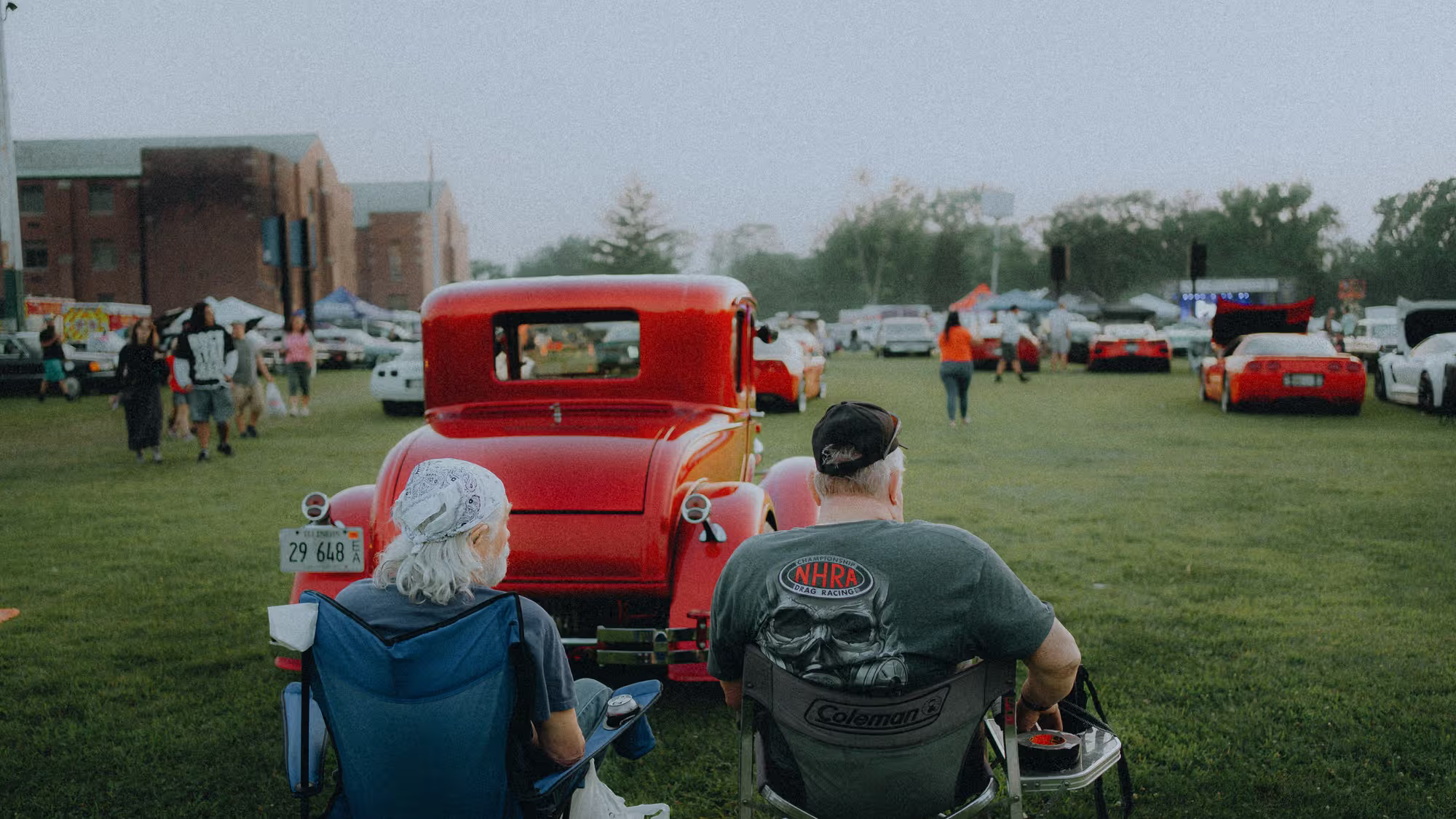
On a warm June weekend in southern Illinois, the Du Quoin State Fairgrounds will fill with the low rumble of engines, the gleam of polished chrome, and the kind of easy conversation that only happens when people gather around something they genuinely love. That scene — simple, local, and deeply human — is exactly what organizer Quentin Sullivan is counting on when the Cruisin Du Quoin Summer Nationals rolls into town for the first time on June 18 and 19.
Quentin Sullivan’s Vision for Du Quoin
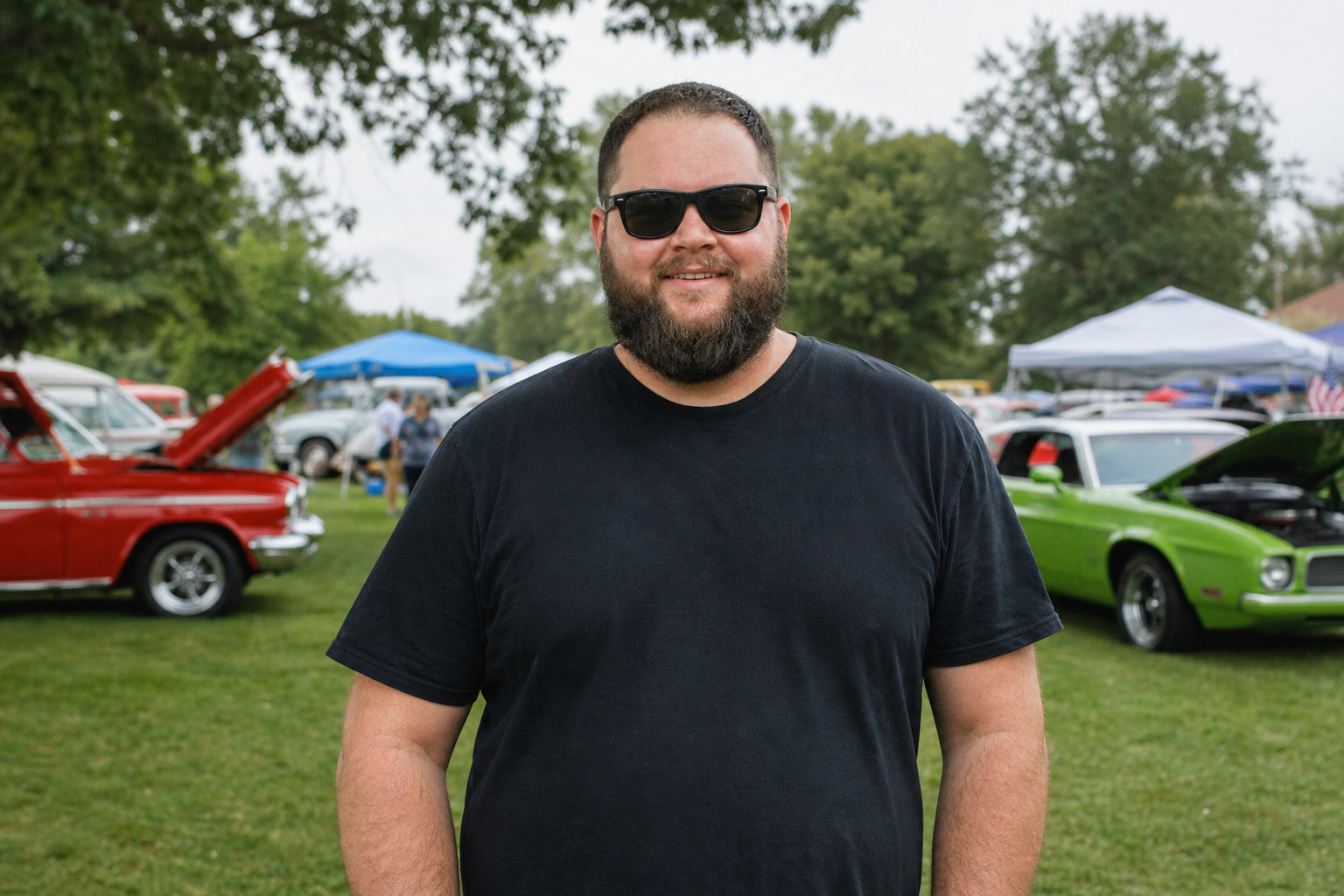
Behind every successful community car show is someone who cared enough to make the first phone call, book the first venue, and believe the community would show up. For the Cruisin Du Quoin Summer Nationals, that person is Quentin Sullivan, a McLeansboro native who understands small-town identity from the inside out.
Sullivan’s stated goal is not simply to organize a one-time event. His ambition is to build something durable — an annual tradition that Du Quoin can genuinely call its own. That distinction matters in practical terms. Events assembled for a quick weekend rarely outlast their first year. Events built with long-term community investment in mind tend to grow: each year brings more participants, more word-of-mouth, and deeper local pride.
The philosophy behind the show reflects that mindset. By welcoming all cars, trucks, and Jeeps — with no rigid class restrictions — Sullivan signals a grassroots, big-tent approach that prioritizes participation over exclusivity. This is not a show designed for a narrow slice of the hobby. It is designed for the community at large, from the owner of a meticulously restored classic to the neighbor who simply loves cars and wants to be part of something.
Why the Du Quoin State Fairgrounds Makes Sense

Venue choice is rarely accidental for well-planned local car events, and the Du Quoin State Fairgrounds is a defensible selection. The fairgrounds already carry decades of community memory — a place where people in the region have gathered for generations. That existing emotional association gives a new event a head start that a generic parking lot cannot offer.
Practically speaking, the fairgrounds provide the infrastructure that community car shows require: room for a large and diverse field of vehicles, accessible entry points, space for spectators to move freely, and high visibility to passing traffic. Those logistical advantages matter when organizers hope to draw attendees from surrounding towns and counties, not just Du Quoin itself.
Du Quoin is also not starting from zero when it comes to car culture. A previous cruising event was held in Du Quoin on September 19, 2026, demonstrating that local appetite for this kind of gathering already exists. Sullivan and his team are building on a community that has already experienced a cruising event and, by all indications, wanted more of it. That is a meaningful foundation for an inaugural run under a new banner.
The Broader Moment: Grassroots Car Culture’s Ongoing Revival
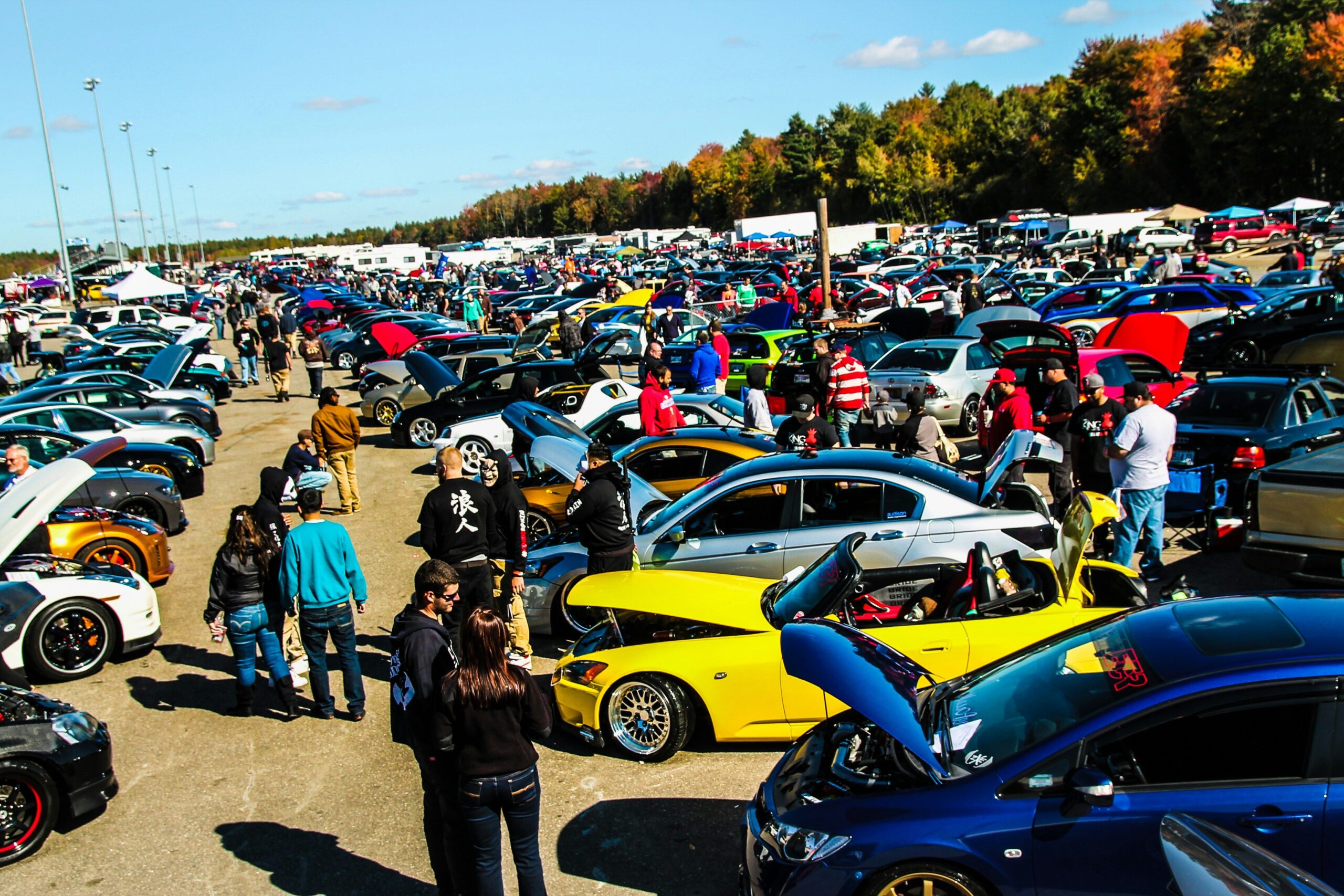
Du Quoin’s new event does not exist in a vacuum. Across the country, grassroots car culture has experienced a genuine resurgence. After pandemic-era cancellations disrupted the rhythm of local events for two consecutive years, communities rediscovered something specific: the kind of connection a car show produces cannot be replicated by a streaming service, a social media feed, or an online forum.
Community car shows create a physical space where local identity becomes visible and tangible. They generate the casual, in-person pride — in a town, in a craft, in a shared afternoon — that no algorithm is built to deliver. Small-town shows often outperform expectations precisely because the stakes feel personal. When an event is embedded in a community rather than marketed at it from the outside, participation carries a different emotional weight. Showing up with your car — or simply as a spectator — functions as a small, deliberate investment in the place you live.
There is also a real economic dimension worth noting. When a car show draws visitors to Du Quoin for a weekend, the money spent on food, fuel, and lodging stays in the region. Attention, pride, and revenue circulate locally rather than flowing to a corporate event organizer based somewhere else entirely.
What to Expect on June 18 and 19
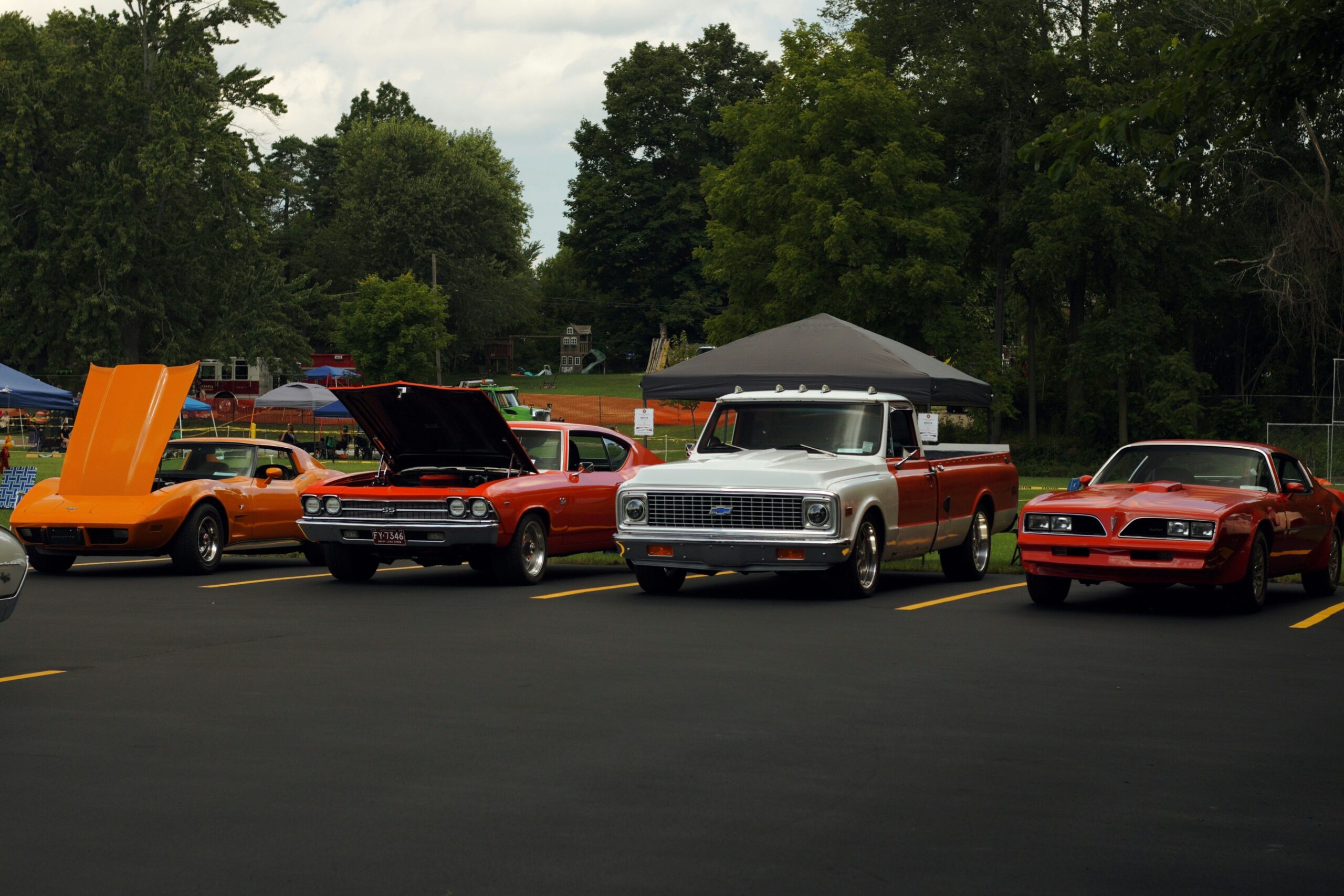
The practical details of the Cruisin Du Quoin Summer Nationals are straightforward and deliberately accessible. The event runs across two full days at the Du Quoin State Fairgrounds, and the entry criteria are as broad as possible: all cars, trucks, and Jeeps are welcome. That low barrier to entry is a feature of the event’s design, not an afterthought.
- Two-day format: A full weekend gives out-of-town attendees a reason to make a trip of it, which benefits local businesses and deepens the overall community experience beyond a single afternoon.
- Open entry policy: Welcoming all vehicles produces a more diverse and visually interesting show field and signals clearly to casual enthusiasts that they belong here as much as dedicated restorers do.
- Fairgrounds setting: The venue provides room to grow, historical resonance with the community, and the open space that makes a car show feel like a genuine gathering rather than a crowded parking lot event.
Organizers are cultivating an atmosphere built around celebration and community rather than rigid competition. The goal for the inaugural run is clear: strong turnout, a diverse field of entries, and enough momentum to confirm a second annual event on the calendar. Early interest from local car enthusiasts suggests the community is prepared to respond.
Why Building a Recurring Tradition Is the Real Ambition
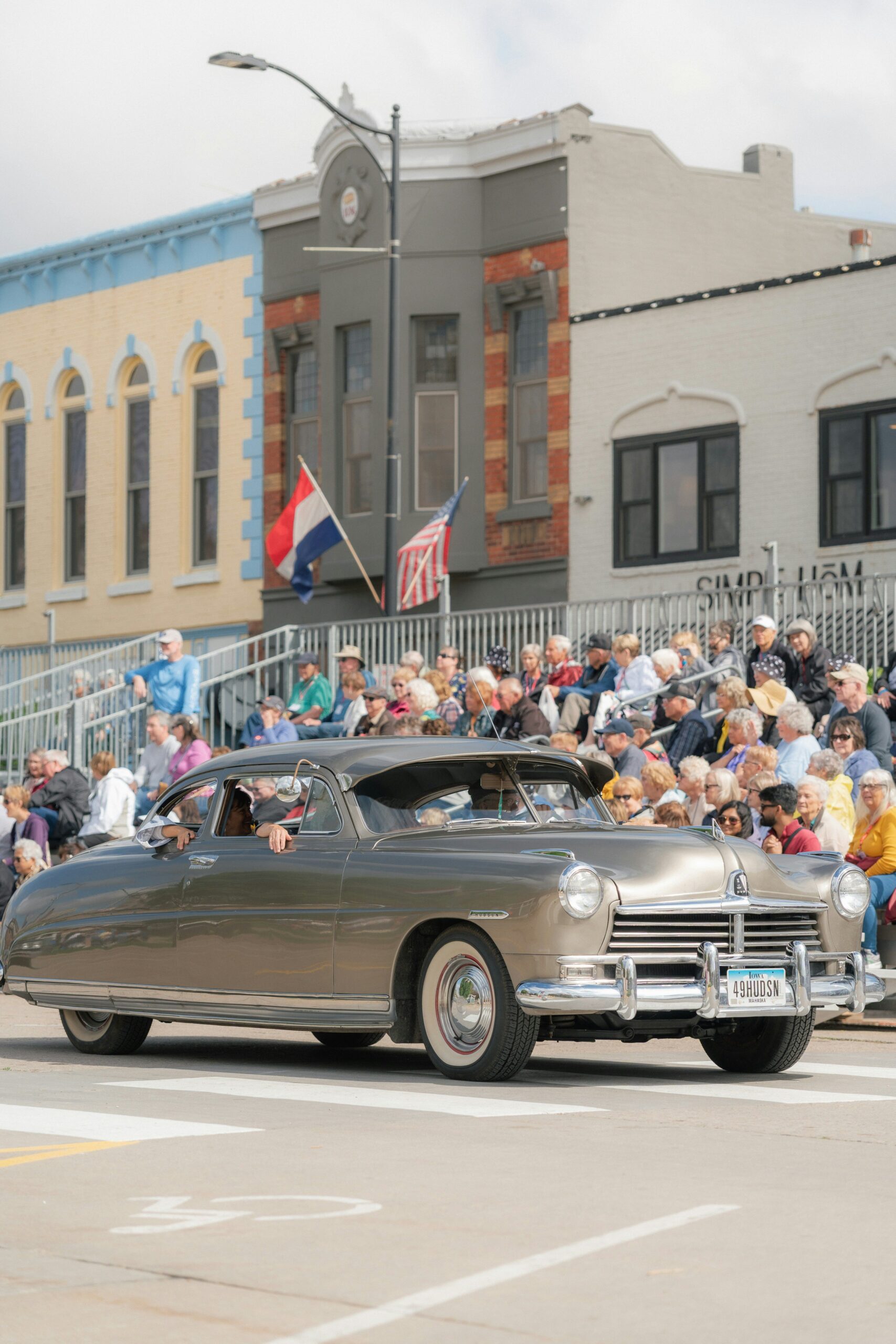
A recurring local event does something that a one-time gathering cannot: it gives a community something to anticipate together. That shared, forward-looking expectation — knowing that next June the fairgrounds will fill again — is how towns build identity over time, and how outside visitors begin to associate a place with something specific and worth traveling to see.
The best-known regional car shows in the country all began the same way the Cruisin Du Quoin Summer Nationals is beginning: one motivated organizer, one community willing to show up, one successful first year that made a second year feel inevitable. Sullivan’s explicit hope is that this event becomes a fixture on the regional calendar, not a one-time experiment. The story of this new show has already attracted regional attention, and the foundational ingredients for a durable local cruising event appear to be in place.
The Honest Challenges of a First-Year Event

First-year events are genuinely difficult. They live or die on word of mouth, weather, and turnout — none of which any organizer can fully control. Sullivan knows this, and the community knows it too. The honest challenge of an inaugural run is that everything must come together at once, without the cushion of an established reputation to draw on.
The conditions in Du Quoin are nonetheless encouraging. There is a demonstrated local appetite for cruising events. There is a venue with the right infrastructure and historical weight in the community. There is an organizer with a long-term vision rather than a short-term payoff in mind. And there is a broader national moment in which grassroots car culture is finding new energy and new audiences.
If June 18 and 19 deliver, Du Quoin joins a growing list of small towns demonstrating that community car shows do not merely survive — they can thrive, and they carry genuine meaning for the communities that sustain them. Whether you are a dedicated gearhead or simply someone who wants to spend a summer weekend doing something real and local, showing up for an event like this one is exactly how traditions get their start.