
Classic car ownership looks romantic until you price out a clutch rebuild, track down a NOS carburetor, and open your first specialist insurance quote — at which point the romance cools fast. The good news: you can put a genuine vintage or muscle car in your hands this weekend through several routes that sidestep the registration fees, storage costs, and maintenance bills entirely.
What You Are Actually Avoiding: The Real Cost of Classic Ownership

Before exploring the alternatives, it helps to be specific about what full ownership actually demands. Specialist labor rates routinely run two to three times what a mainstream shop charges. Parts for low-volume or discontinued models can require sourcing from multiple vendors across multiple countries, with no guarantee of authenticity or fitment. Agreed-value insurance — the policy type that actually protects a collector car at its market worth — costs more than standard coverage and requires annual appraisals in many cases. Storage, whether a climate-controlled unit or a dedicated garage bay, is an ongoing expense that continues whether you drive the car or not. A car sitting eleven months a year still generates all of those carrying costs.
If your goal is the experience rather than the asset, there are smarter ways to get there. Several well-established routes exist for drivers who want real classic car access without full ownership exposure — and the best one for you depends on how often you want access, what kind of car you want to drive, and how much mechanical unpredictability you are willing to tolerate.
Six Ways to Get Behind the Wheel
1. Peer-to-Peer Car-Sharing Platforms
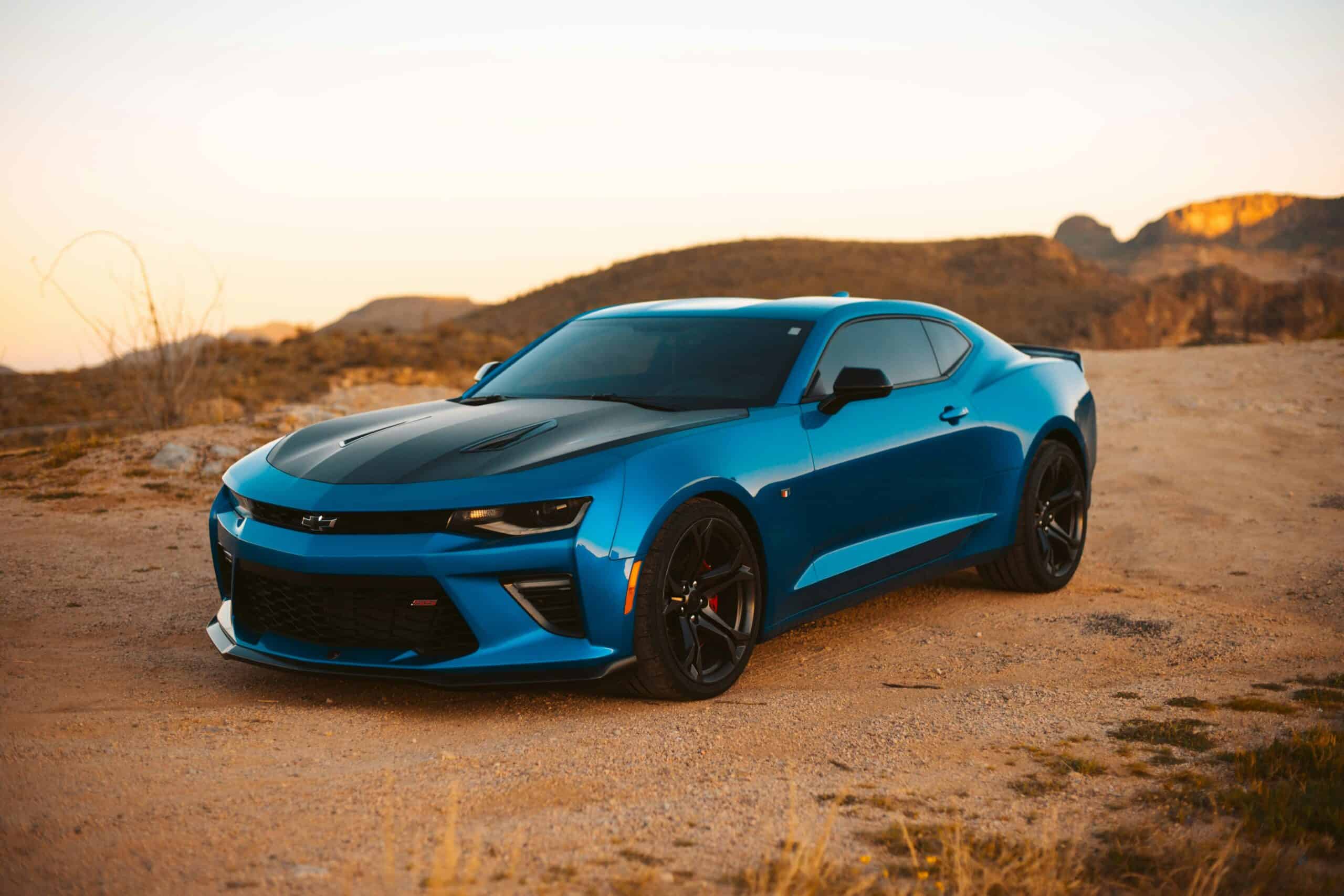
Platforms that connect private owners with renters have expanded well beyond late-model economy cars. Depending on your market, you can find first-generation Ford Broncos, air-cooled Porsches, early Camaros, and Detroit muscle listed by owners who want to offset storage and insurance costs with rental income. Daily rates vary significantly by marque, condition, and location — a weekend in a well-kept Chevelle is priced very differently from a weekend in a Fox-body Mustang.
Before you book, confirm insurance terms in writing. Establish specifically who covers a mechanical failure mid-trip, what your liability exposure looks like for damage, and whether the platform’s own insurance policy applies to vehicles of this age and value. Some peer-to-peer insurance products exclude vehicles over a certain age or value threshold, which is information you need before you sign anything.
The honest trade-offs: inventory is uneven by region, vehicles are owner-maintained rather than fleet-inspected, and peak-weekend availability in desirable cars disappears quickly. This route works best for a driver who has a specific car in mind for a road trip or weekend cruise and is willing to vet the listing carefully — reviewing photos, reading owner reviews, and asking direct questions — rather than simply clicking “book.”
2. Specialist Classic Car Rental Companies
Dedicated classic and vintage rental outfits operate separately from the mainstream rental tier. They curate maintained, insured, road-legal vehicles specifically for short-term hire, and the mechanical reliability baseline is meaningfully higher than a peer-to-peer listing because the business model depends entirely on cars that actually start, run, and stop correctly. A breakdown is a reputational and operational problem for a specialist operator in a way it simply is not for a private individual listing a weekend toy.
Expect higher daily rates than a standard rental, mileage caps sized to protect older drivetrains, a security deposit calibrated to the car’s agreed value, and a mandatory pre-drive condition walkthrough. That walkthrough protects you as much as the operator — document every existing scratch, chip, and dent before you pull out of the lot. Photograph it systematically, not casually.
The trade-off is straightforward: you are limited to what the company owns and has available on a given date. You will not stumble across a barn-find rarity or a hyper-specific one-owner survivor. But you will get a vetted, insured classic without negotiating coverage terms with a private individual, and you will have a business with a customer service interest in resolving problems if something goes wrong.
3. Mainstream Rental Companies’ Specialty Tiers
Larger rental companies including Hertz and Enterprise offer specialty or prestige tiers that can include muscle cars or retro-proportioned models depending on the market and current fleet composition. What you will find here will not be a 1960s original. Expect contemporary vehicles — a Dodge Challenger, a Ford Mustang GT, or similar — that deliver old-school proportions, V8 power, and genuine rear-wheel-drive character with modern reliability and full warranty coverage behind them.
That is not a criticism. It is a trade-off worth naming precisely. If your goal is muscle-car performance without the mechanical unpredictability of a 50-year-old drivetrain, a modern interpretation at a mainstream rental rate is a rational and cost-effective choice. If you specifically want to experience carbureted fuel delivery, drum brakes, a column shift, and the cabin acoustics of a car built before federal noise regulations, this tier will not satisfy that. Know which goal you are actually pursuing before you book.
4. Track Day and Driving Experience Programs
Dedicated driving experience programs let you seat yourself in multiple high-performance or classic cars back-to-back in a single session — typically on a closed circuit with an instructor present and defined run groups managing traffic flow. Because the driving is supervised and confined to controlled track conditions, operators can offer rarer, higher-value machinery than any street-rental company would risk in public traffic. The liability and damage calculus is fundamentally different on a closed course.
The practical advantage is direct comparison. Driving several different cars in a single morning gives you experiential data that no amount of reading or test-driving replicates. You will know, concretely, whether you prefer the torque characteristics of a big-block American V8 or the high-revving nature of a period European sports car — information that is genuinely useful if you are eventually considering ownership. Pricing is usually structured per session or per car, so you can budget precisely without open-ended commitment.
The trade-off is context. A circuit is not a canyon road, and time behind the wheel per car is often short. The experience is genuine; the setting is controlled. For many drivers, that balance of access and risk management is exactly right, and budget-conscious enthusiasts consistently identify track experience programs as one of the most honest and direct routes to meaningful classic car seat time.
5. Classic Car Club Membership
Many marque-specific and regional classic car clubs operate member loan or access schemes alongside organized rallies and tours. Annual membership fees are typically a fraction of a single month’s ownership carrying costs, and what you get in return is not limited to occasional access to a shared vehicle. You get scheduled time in maintained cars, invitations to organized driving events, and — often more valuable than the driving itself — direct access to experienced owners who may invite you to co-drive on longer tours.
The simultaneous return on club membership is knowledge. Parts-sourcing contacts, marque-specific maintenance advice, pre-purchase inspection guidance, and a community that has already solved the problems you would face as a first-time buyer: these are assets that have real monetary value if you eventually do move toward ownership. The community is the product as much as the cars.
The trade-off is that access is scheduled and shared, not on-demand. You are working around other members’ bookings and the club’s event calendar, not picking up keys whenever you want a Sunday drive. This route makes the most sense for an enthusiast who wants recurring classic car access woven across a full season, not a driver looking for a single-occasion experience.
6. Co-Driving and Rally Participation
If club membership feels like a commitment, a lower-barrier entry point is volunteering as a co-driver or navigator for an owner already competing in a classic car rally or tour. Many owners running time-distance rallies need a competent, calm navigator more urgently than they need another driver. Your contribution is real and functional, and the seat time — technically the left seat — still puts you inside a vintage car doing exactly what it was built to do, covering real roads at real speeds.
Enthusiast communities regularly surface these opportunities for drivers willing to show up, be useful, and not break anything. The practical path: join relevant forums and club mailing lists, state clearly that you are available as a navigator, and demonstrate that you understand what the role requires. Over time, demonstrated reliability in a co-driver role — arriving on time, reading route notes accurately, not panicking when the car makes an unfamiliar noise — almost always leads to actual driving opportunities with the same owners.
Choosing the Right Route for Your Actual Goal

Match the method to your specific objective before committing to anything.
- One-off special occasion — a birthday, an anniversary, a road trip with a specific destination in mind — points toward a specialist rental company or a peer-to-peer platform where you can select a specific car for a specific date.
- Comparison shopping the experience — wanting to understand what different eras of performance actually feel like before committing to any purchase — points toward a track experience program where you can drive multiple cars in a single day and walk away with direct comparative data.
- Recurring weekend hobby — wanting classic car access integrated into your regular life across a full season — points toward club membership or a peer-to-peer platform you revisit regularly with a shortlist of vetted listings.
- Modern reliability with classic character — you want the proportions and the V8 soundtrack without mechanical unpredictability or breakdown risk — points toward a mainstream rental company’s specialty tier, where warranty coverage and roadside assistance come standard.
Regardless of which route you pursue, do not skip the insurance conversation. Confirm in writing who pays if the car suffers a mechanical failure, who covers a minor scrape, and whether your personal auto policy or a credit card travel benefit extends to classic or specialty vehicles — many do not, or exclude vehicles above a certain value threshold. Ask about mileage caps before you plan your route, and confirm the fuel specification: some older engines require premium octane or specific formulations, and running the wrong fuel in a borrowed car is an avoidable and expensive mistake.
If the car has a manual transmission, be honest with yourself about your competence before you are in traffic with a clutch that has nothing in common with a modern dual-mass flywheel setup. Classic cars are disproportionately stick-shift. Stalling a valuable car at a busy intersection is an embarrassment the owner will remember, and in some rentals, a stall-induced mechanical problem may fall on you.
None of these routes gives you the same relationship as ownership — the familiarity built over years, the pride of a project completed, the encyclopedic knowledge of one specific car’s particular quirks. But all of them deliver the actual experience: the mechanical feedback through the wheel and seat, the attention the cars draw at fuel stops, the sounds and smells that modern engineering has optimized out of existence. And they deliver it without the registration renewal, the specialist insurance premium, and the maintenance bills that make classic ownership a genuinely expensive commitment for cars that realistically sit most of the year.