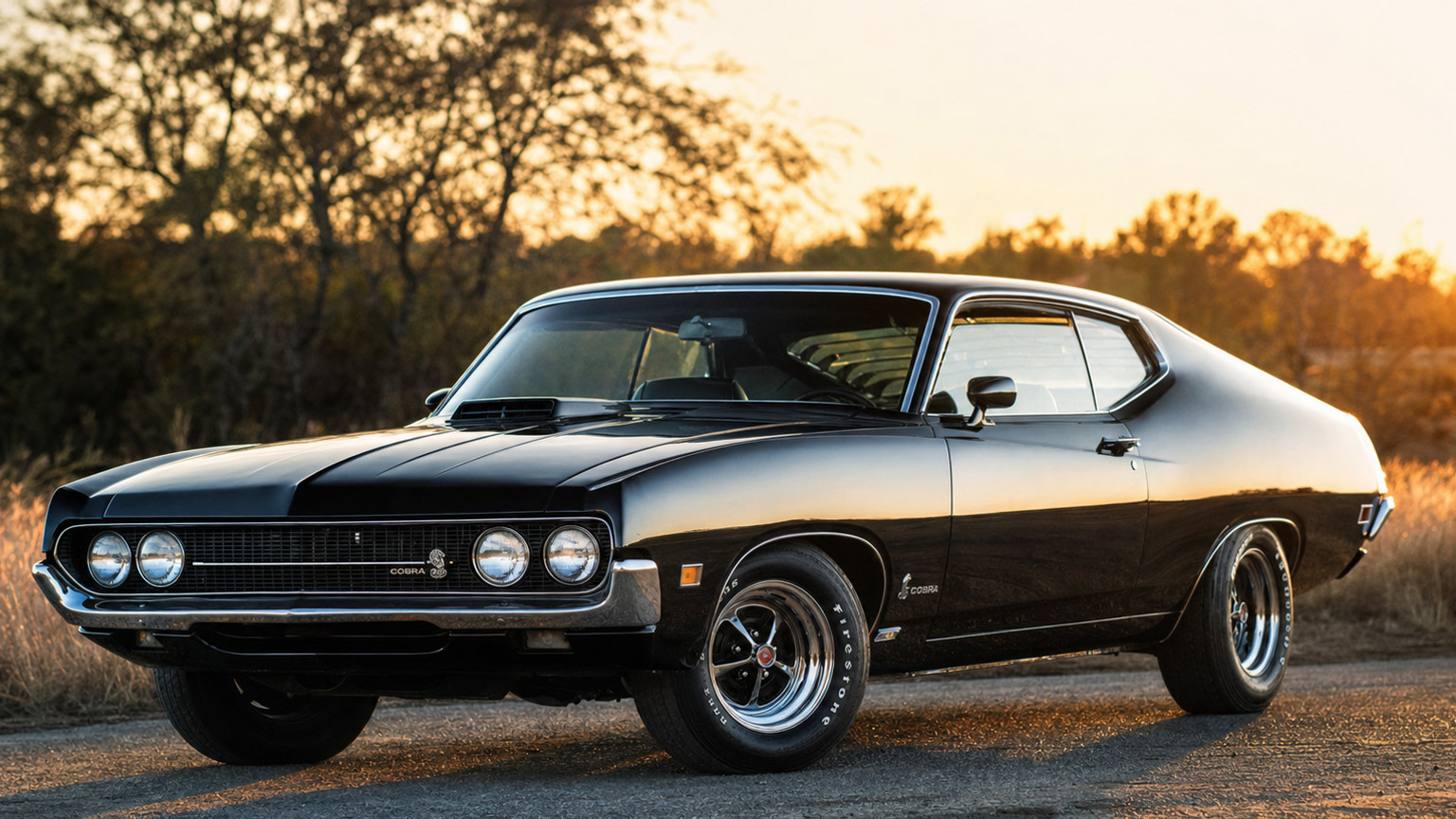
Ford built one of the fastest muscle cars of 1969, priced it aggressively, and watched it outsell the Mustang GT — then somehow let it disappear from automotive history almost entirely. The Ford Torino Cobra is the forgotten Ford muscle car that enthusiasts are only now beginning to rediscover, and its story says as much about how legends are made as it does about engineering.
The Muscle Car Everyone Forgot Ford Made
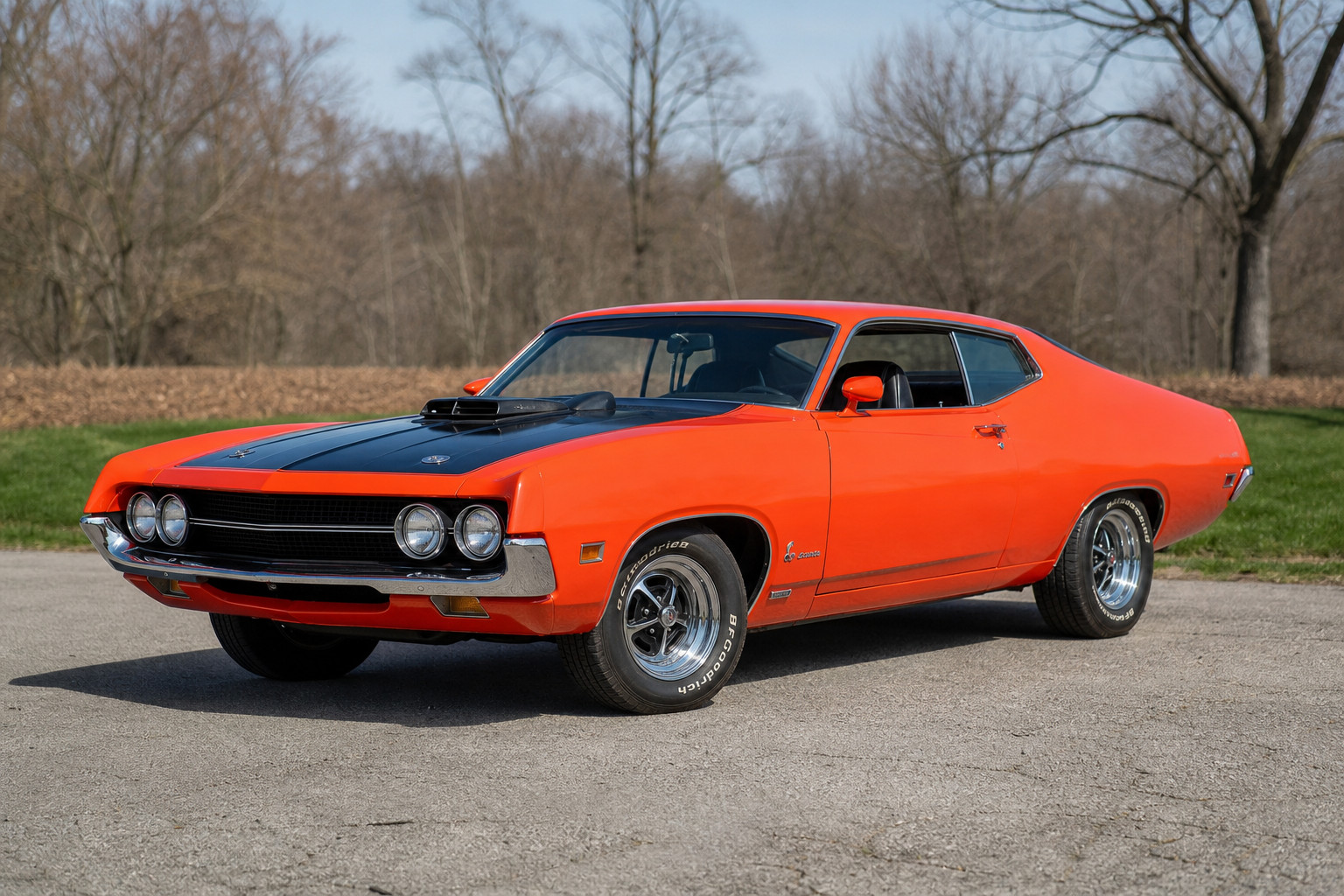
While the Mustang dominated magazine covers and the Pontiac GTO grabbed headlines, Ford quietly built a street-legal drag weapon that most people have never heard of. The 1969 Ford Torino Cobra didn’t just compete that year — it outsold the Mustang GT, yet virtually disappeared from muscle car history. Understanding why requires a close look at how automotive mythology gets written, and who gets left out of it.
Before the Torino: The Fairlane Laid the Groundwork

The lineage of the 1969 Ford Torino Cobra starts with the mid-size Ford Fairlane, which Ford transformed into a serious performance platform through the mid-1960s. The Fairlane 500 XL packed a 390-cubic-inch V8 producing 335 horsepower — enough to run the quarter mile in around 14.5 seconds straight from the factory. For buyers who wanted more, Ford pushed even harder with the Fairlane lineup, eventually arriving at the 1966 Fairlane 500 R-Code, which carried a 427-cubic-inch V8 making over 425 horsepower, built specifically for dragstrip competition.
These weren’t showroom curiosities assembled to satisfy a marketing brief. They were serious machines that established the Fairlane’s performance credibility before the Torino name even existed. Ford had spent years proving it could build a mid-size car that would genuinely embarrass purpose-built competition — the Torino Cobra would be the culmination of that work.
The 1969 Ford Torino Cobra: Ford’s Best-Kept Secret
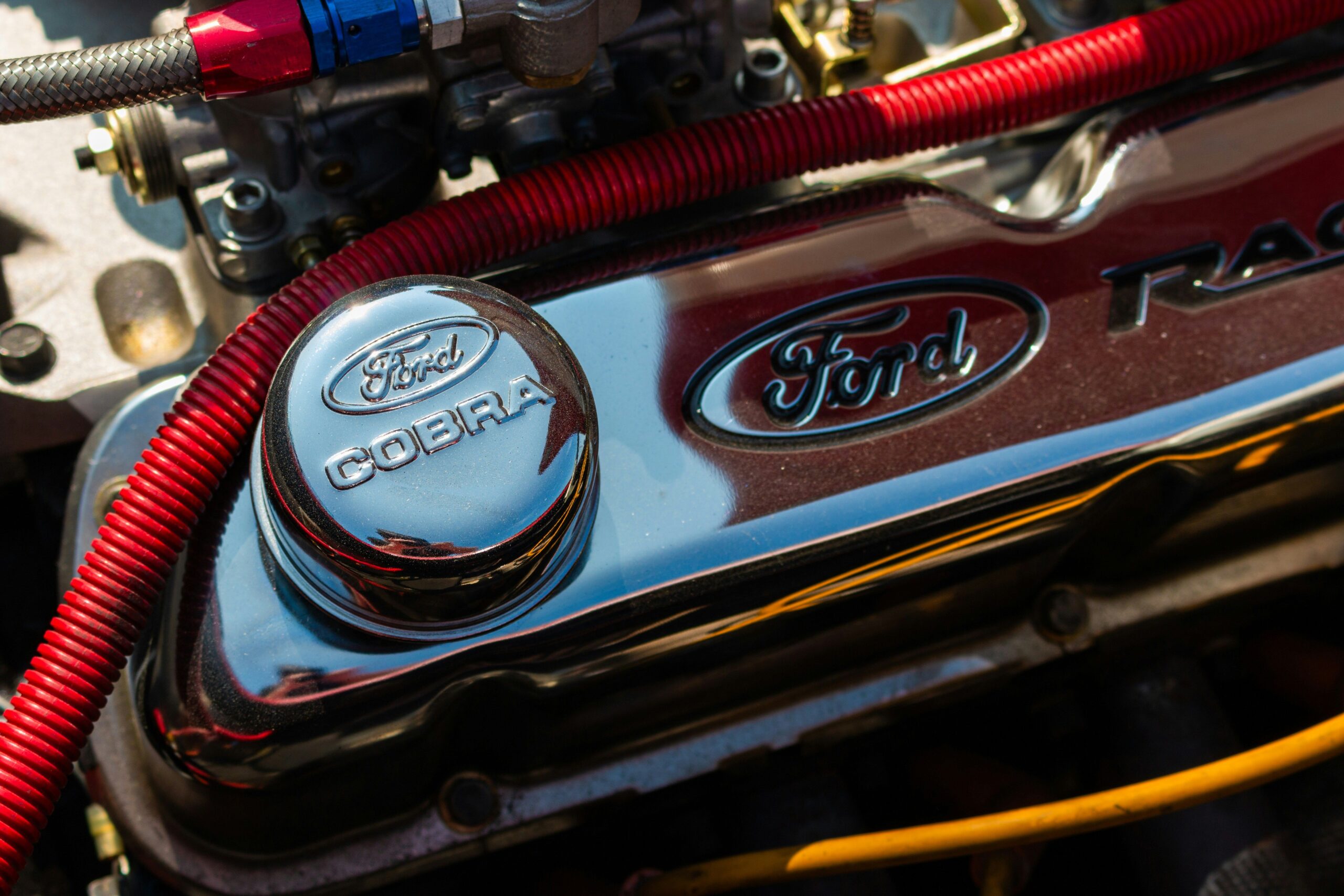
For 1969, Ford restyled the Fairlane platform into the sleeker Torino and introduced the Cobra trim — a stripped-down, purpose-built performance variant that represented what the engineers wanted to do without the marketing department softening the edges. The Ford Torino Cobra came standard with a 428 Cobra Jet engine, a powerplant that consistently dominated stoplight-to-stoplight performance tests in contemporary road evaluations and ran reliably under hard use.
Ford priced the Torino Cobra aggressively against the GTO and Chevelle SS, making it one of the most accessible performance cars of the 1969 model year. Standard equipment included the 428-cubic-inch engine, a performance-tuned suspension, and a functional hood scoop — features that cost real money as options on competing models. Road testers of the era praised its straight-line capability and noted surprisingly composed handling for a car of its size and stated intent.
The 428 Cobra Jet engine deserves particular attention. Ford’s official horsepower rating was widely regarded as conservative by the automotive press, and real-world output was broadly believed to exceed the numbers printed in the brochure. This was partly a strategy to keep insurance premiums manageable for buyers, but it also meant the Torino Cobra consistently surprised people on the street who had underestimated it on paper.
The Sales Numbers That Should Have Made It Famous
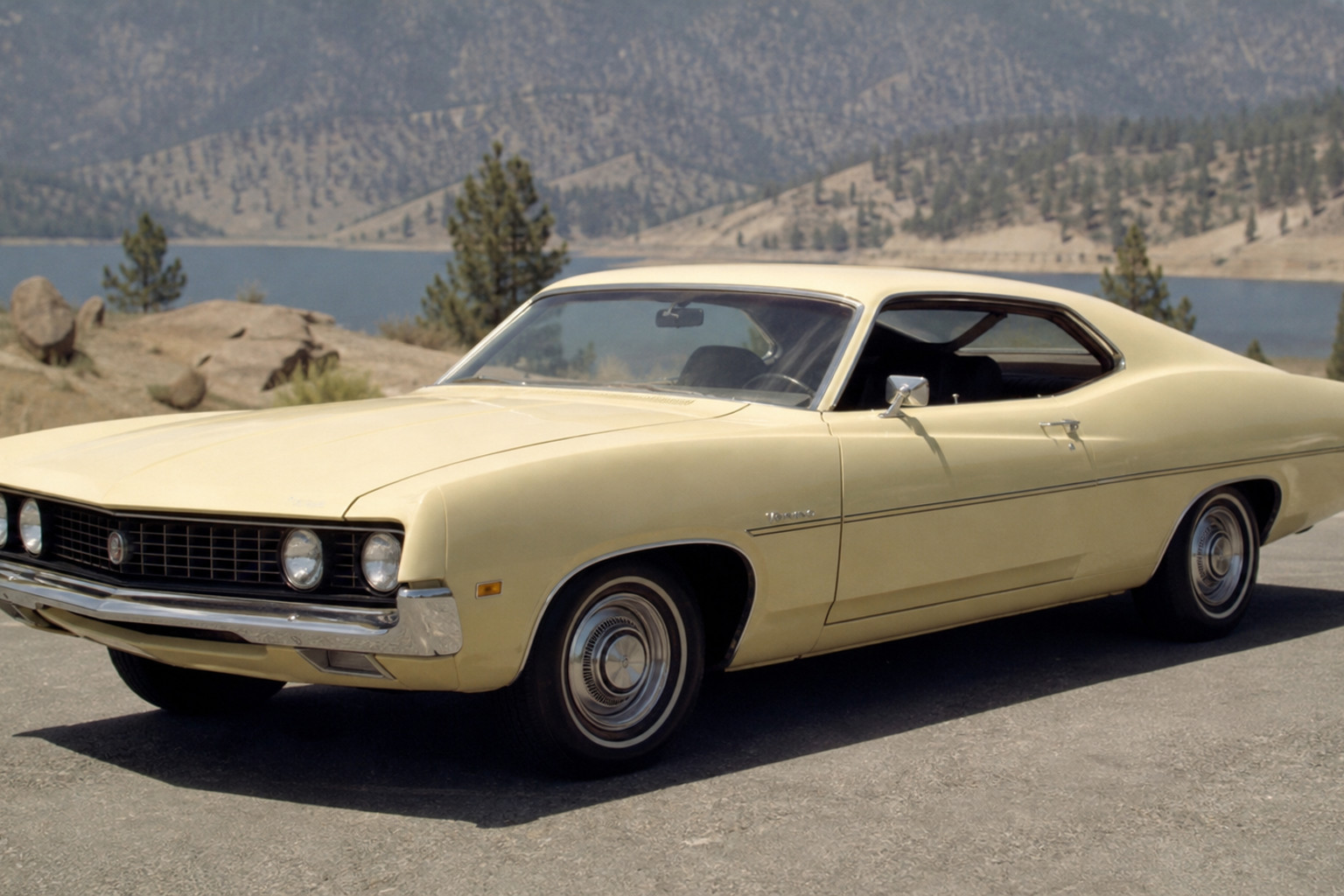
In 1969, the Torino Cobra posted sales figures that outpaced the Mustang GT — a fact that surprises almost everyone who hears it for the first time. The broader Torino lineup sold strongly that year, making it one of Ford’s higher-volume model lines, yet it rarely appears in muscle car retrospectives. This is a recurring pattern with overlooked Ford performance cars: commercial success and cultural memory don’t always move in the same direction, and the Torino Cobra may be the clearest example of that disconnect in the entire muscle car era.
The Mustang’s cultural grip on the public imagination overshadowed anything else wearing a Ford badge, regardless of what the actual sales data showed. Ford had created something genuinely new with the Mustang — a car that reshaped the American market and generated the kind of origin story that is essentially impossible to compete with on a narrative level, no matter how capable the alternative product actually is.
Why It Vanished From the Conversation
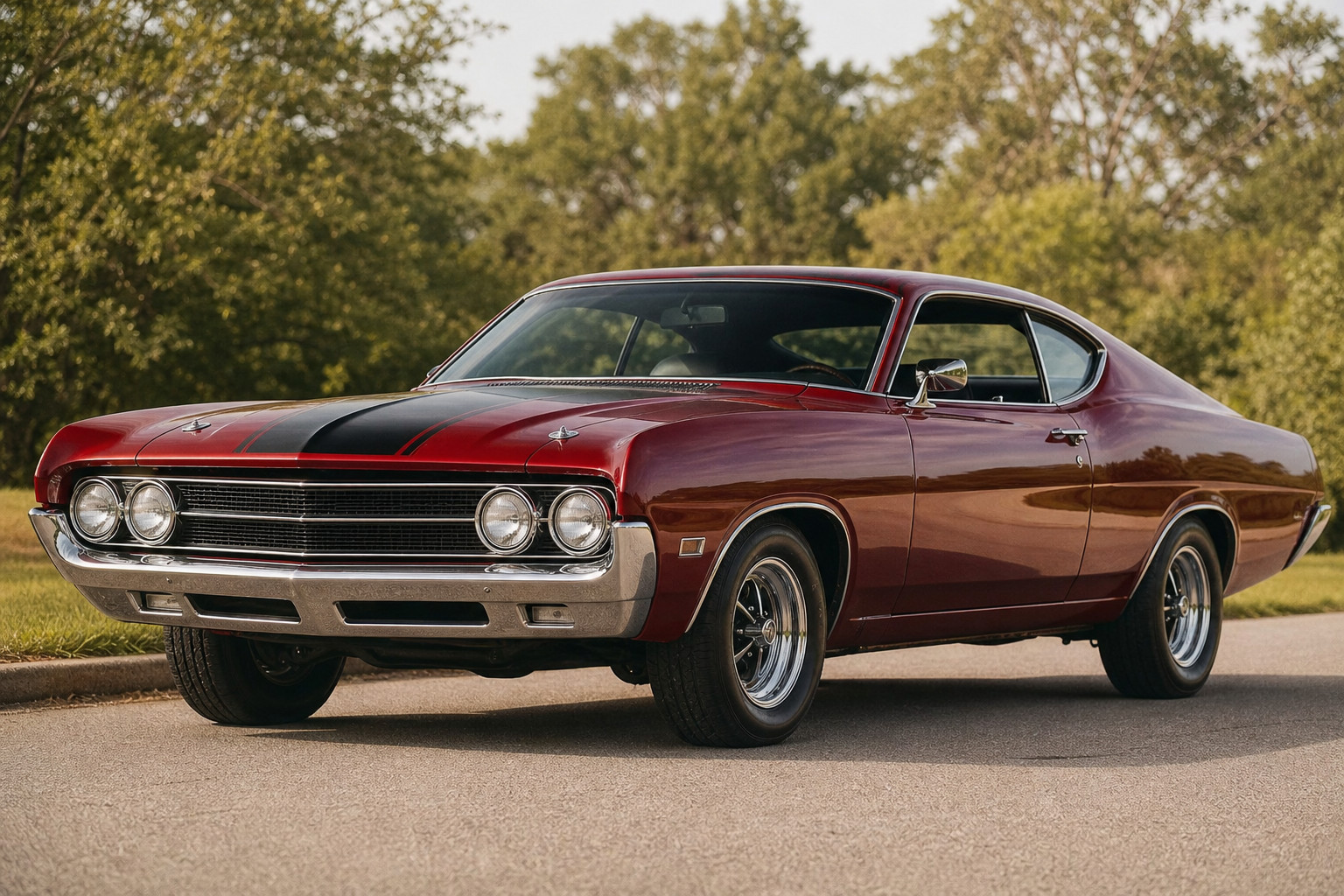
Several forces combined to push the Torino Cobra out of the collective memory, and none of them had much to do with the car’s actual capabilities. Consider what it was up against in the mid-size muscle segment alone:
- The Chevelle SS396, backed by Chevrolet’s enormous dealer network and marketing budget
- The Buick GS, which carried performance credibility in a premium package
- The Plymouth Road Runner, which had won over the press with its value proposition and memorable branding
- The Pontiac GTO, which had essentially invented the segment and still carried that founder’s authority
Ford’s own marketing prioritized the Mustang, leaving the Torino Cobra to sell largely on spec sheets rather than personality — a losing strategy in a decade driven by automotive mythology rather than engineering data. The cars that became legends in the muscle car era were the ones with stories attached to them, and Ford never gave the Torino Cobra a compelling enough story to tell.
Survival rates compounded the problem. Many Torino Cobras were driven hard, modified heavily, and not preserved with particular care. Cars that weren’t wrecked often rusted out or were parted for engines and drivetrain components that could power other projects. Original, documented examples are genuinely scarce today, which makes the forgotten muscle car label feel almost self-fulfilling.
What Made It Genuinely Special — And Why Collectors Are Paying Attention Now
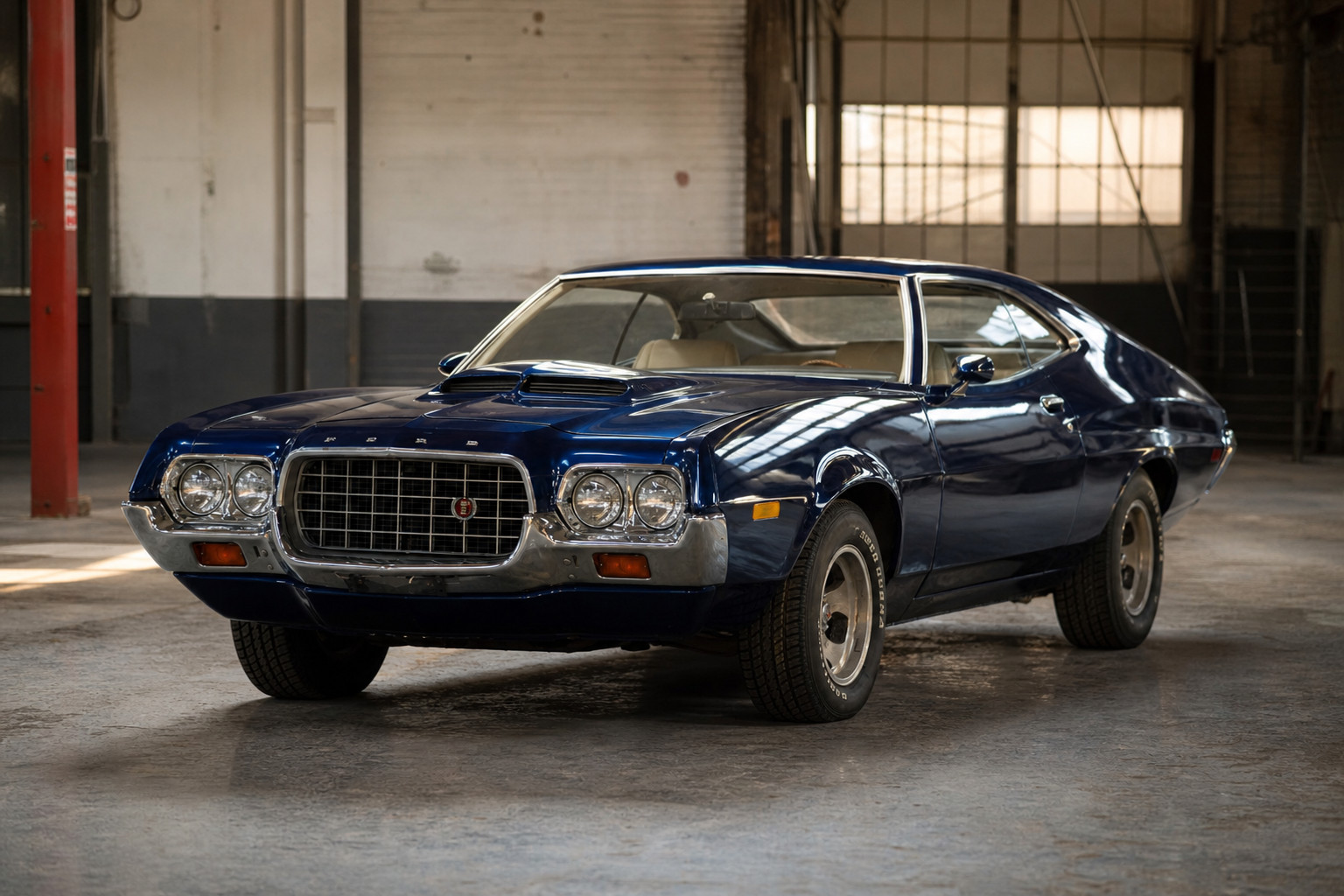
Beyond the engine, the Torino Cobra had something most of its competitors lacked: a roofline with a future. Its semi-fastback profile gave it aerodynamic properties that Ford would exploit directly in NASCAR competition, where the related Torino Talladega variant — developed from the same basic platform — became a force at superspeedways. The connection between the street Cobra and the track Talladega is a lineage that most people outside dedicated Ford circles simply don’t know about, and it adds a layer of motorsport credibility that few 1969 muscle cars can claim in any form.
The car represented a philosophy of function over flash. It was engineered to perform rather than to photograph dramatically, which is an admirable approach and also one that ultimately worked against its legacy in a market where image frequently mattered more than results. The cars people remember from 1969 are largely the ones that looked striking in advertisements — the Torino Cobra looked purposeful, which is a different and quieter thing.
Collectors who do know the car have been rewarding that purposefulness at auction. Clean, documented examples have climbed steadily in value as the classic muscle car market matures and buyers look beyond the obvious names for genuine performance provenance at prices that haven’t yet caught up to the car’s actual significance.
The Lesson Hidden Inside a Forgotten Car
The Torino Cobra’s obscurity is a reminder that automotive history is written by marketers and magazine editors as much as it is by engineers. Perception outlasts performance data, and the cars that get remembered are often the ones with the most compelling mythology rather than the most impressive specifications. Ford built something genuinely capable in 1969, priced it honestly, sold it in volume, and somehow convinced almost nobody to remember it — which might be the most characteristically Ford outcome Ford has ever produced.
Every generation of enthusiasts rediscovers these overlooked machines, and the Torino Cobra is currently in the early stages of that reappraisal. For anyone approaching the muscle car market with fresh eyes, the overlooked and undervalued end of the Ford performance catalog offers some of the most honest performance-per-dollar propositions still available. The Torino Cobra earned its place in that conversation a long time ago. It’s just finally starting to get the credit it deserves.