
Seven hundred people showed up to a public park in Sayreville, New Jersey on a Wednesday night to look at classic cars and watch a Pixar movie. If that number surprises you, you haven’t been paying close enough attention to what’s happening at the local level in the classic car hobby.
700 People on a Wednesday Night — Why That Number Matters

The event was the Cruisin’ Kennedy Park Classic Car Show paired with a screening of Pixar’s Cars, held at Kennedy Park in Parlin, NJ. Families packed the park on a midweek evening in numbers that would embarrass many ticketed weekend festivals. That kind of turnout doesn’t happen by accident. It results from a format that stacks nostalgia, free admission, and genuine community identity into a single two-hour window.
If you’ve been told that classic car culture is fading, events like this one supply a direct answer: it isn’t dying, it’s relocating. It’s moving off the main strip and into public parks, municipal lots, and the community calendars of towns you might not be watching. Sayreville just made that case in public, with a headcount to back it up.
The Cruisin’ Kennedy Park series is a recurring program, not a one-time stunt. It ran from May 22 through October 23, 2024, with dates confirmed into 2025 — including a July 23, 2025 edition scheduled from 6:00 to 8:00 p.m. at Kennedy Park, 807 Washington Road, Parlin, NJ. That kind of advance scheduling is exactly what separates a real series from a one-off parking lot gathering.
What the Cruisin’ Kennedy Park Series Actually Looks Like
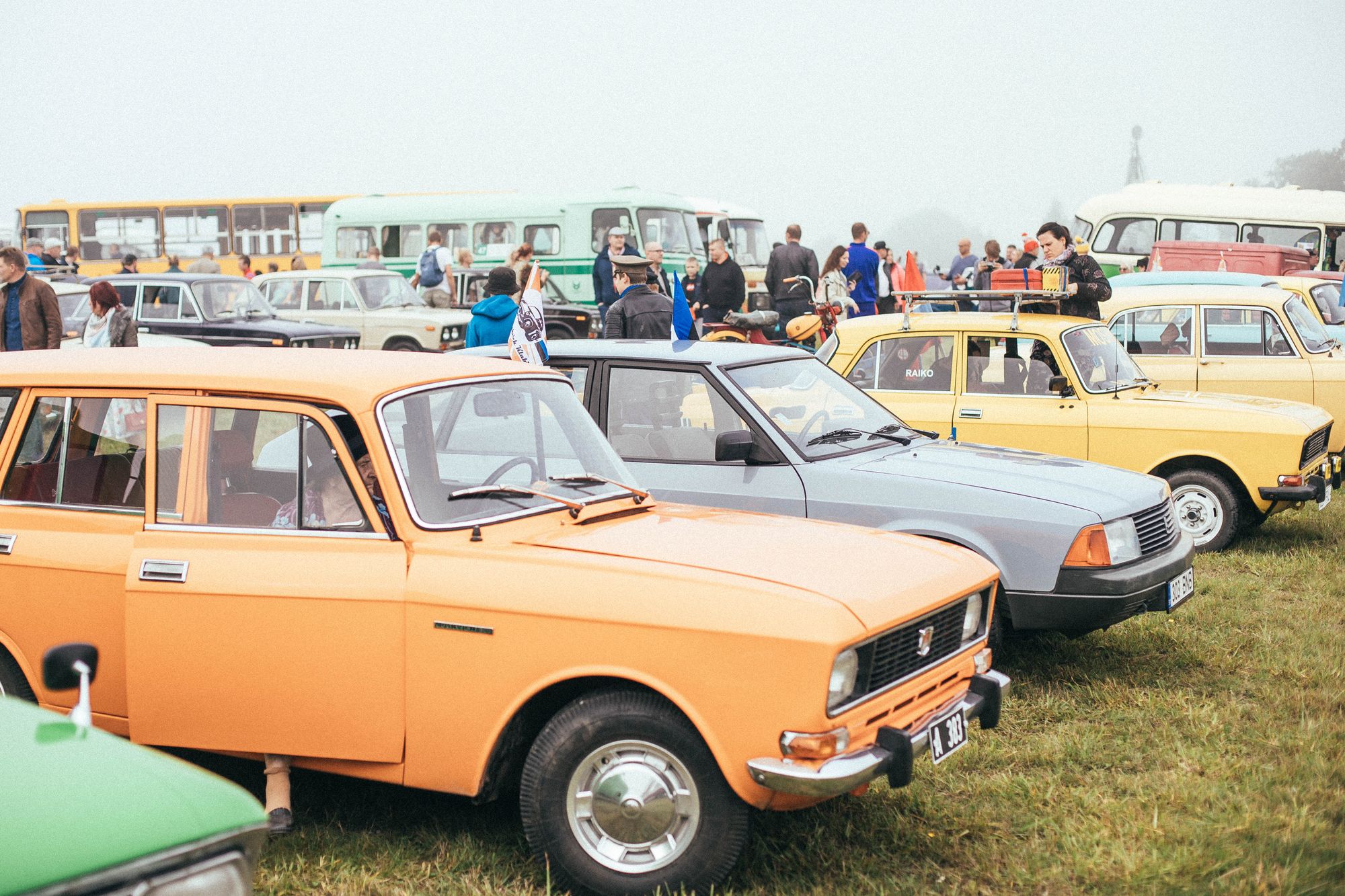
The format is deliberately simple: classic cars, 1950s-era music, a public park setting, and no ticket price standing between curious locals and the show field. The municipal venue is a strategic choice, not a default. It holds the barrier to entry at zero and keeps the crowd genuinely broad. You’re not filtering for committed hobbyists — you’re inviting the whole neighborhood.
The Cars movie night edition pushed that logic further. Adding the Pixar film pulled in families with young children who don’t yet self-identify as classic car people, expanding the audience without diluting the cars themselves. The vehicles were still there, still the focal point — the movie simply gave parents a second reason to say yes to a Wednesday outing.
Kennedy Park has demonstrated this model works across more than one theme. A Disco Night at the same venue drew nearly a thousand attendees. The pattern holds: themed community nights at Kennedy Park consistently outperform generic programming by a meaningful margin. Theming gives people a story to tell when they invite someone else, and that word-of-mouth is how a Wednesday event in a New Jersey park generates attention beyond its zip code.
Why This Format Works When Standalone Car Shows Struggle

A car show that runs on its own asks non-enthusiasts to self-select into a hobby they may not feel qualified to engage with. Pair that same show with a film, a music decade, or any family-friendly concept, and you give the uninitiated a side door. They walk through the lot because they’re already there for something else — and then they see a ’57 Chevy under good light and start asking questions.
The Wednesday evening time slot is counterintuitive but operationally smart. It competes with less. Weekend commitments — youth sports, family obligations, competing events — thin your potential crowd before the gates open. A 6:00-8:00 p.m. weekday window catches people after work, before school-night bedtimes become a problem, and at a moment when they’re actively looking for something low-effort and local to do.
Free admission does the rest. No ticket purchase means no commitment threshold to clear. A person who isn’t sure they care about classic cars enough to pay for a show will absolutely walk through a free one in a park they were already heading to. That’s how you convert curious bystanders into recurring participants — and recurring participants are what keep a series alive year after year.
The Real Role Local Car Shows Play in Keeping the Hobby Going

Local car show culture isn’t purely sentimental. It functions as a pipeline with real economic weight behind it. Spectators become buyers. Buyers become restorers. Restorers become the owners who show up next year with something worth photographing, which attracts more spectators. The cycle is self-reinforcing when the entry points are accessible.
Events that draw 700-plus people expose classic vehicles to potential buyers who aren’t actively browsing auction listings. That organic demand supports the values of cars sitting in private garages across the region. Owners who participate in a scheduled series like Cruisin’ Kennedy Park also invest in their vehicles on a show-season timeline — which means actual spending on restoration work, detailing, and mechanical upkeep that would otherwise be deferred.
For the surrounding community, a well-attended recurring car show functions as low-cost local tourism. It generates foot traffic, reinforces place identity, and gives residents a reason to speak positively about where they live. These are not trivial returns for a free event in a public park.
What Separates a Good Local Show from a Forgettable One
Consistency is the single biggest differentiator. A series with a published multi-month calendar trains attendees to plan around it rather than stumble across it. Cruisin’ Kennedy Park ran a full May-through-October schedule in 2024 and published 2025 dates in advance — that is the operational standard that builds a reliable audience rather than a succession of one-time crowds.
Beyond scheduling, four factors determine whether a local show builds lasting credibility:
- Theming with a hook. A movie tie-in, a music decade, a specific era of vehicles — anything that gives attendees and local media a shareable angle beyond “cars in a parking lot.”
- An accessible venue. A public park consistently outperforms a ticketed fairground for walk-up attendance, particularly among first-timers who aren’t yet committed to the hobby.
- Quality of the field. If owners with well-maintained, period-correct vehicles keep returning, the show retains credibility with serious collectors and gives casual spectators something genuinely worth their time.
- Family-friendly designation. Parents who attend with children are more likely to return and more likely to shift from casual visitor to ongoing participant — that’s your long-term audience pipeline.
How to Find Classic Car Shows Near You

If you’re looking for local show culture and don’t know where to start, the most reliable sources are not general event aggregators. Here’s where to look, roughly in order of accuracy:
- Your county’s parks and recreation calendar. Municipal park series like Cruisin’ Kennedy Park are listed there months in advance and are almost always free to attend. This is the most underused source for recurring local car show events.
- Regional car club websites and Facebook groups. Search for marque-specific clubs — Mopar, Ford, GM — combined with your state abbreviation. These groups publish schedules with far more accuracy than third-party aggregators because the organizers are active members.
- Dedicated show directories. Directories like Cars To Show list verified events by date and geography. Filter by “local” or “weekly” to surface recurring series rather than isolated one-off shows.
- Enthusiast publications. Hemmings and similar outlets maintain event calendars that cover regional shows with consistent, quality fields — shows that rarely generate mainstream press coverage but reward the effort of finding them.
If you’re an owner rather than a spectator: contact series organizers directly in late winter. Programs with consistent turnout fill participant slots early, and showing up unregistered at a well-run show wastes your time and the organizer’s. The Cruisin’ Kennedy Park series is a useful benchmark for the level of organization worth targeting when you evaluate whether a show deserves your time and your car.
The Takeaway: Small Events, Real Stakes
Seven hundred people on a Wednesday evening in a public park is not a footnote in the classic car calendar. It’s a proof of concept for a sustainable model — community-embedded, low-barrier, recurring events that compound their audience over time rather than burning out after a single large-venue appearance.
If you’re an owner deciding whether to invest in local shows, the Sayreville example argues clearly in favor. Engaged local audiences, consistent scheduling, and coverage like TAPinto Raritan Bay’s reporting on the event return more value per appearance than sporadic large-venue entries where your car is one of five hundred in a field that nobody fully walks.
If you’re a buyer or a newcomer to the hobby, local show series are your best starting point. The pressure is lower than an auction environment, the owners are present and willing to talk, and the cars are actually running. You’ll learn more in two hours at a community show than in an afternoon of online browsing — and you might leave with a lead on something worth buying. The classic car hobby survives because people keep choosing to show up for it. In Sayreville, 700 of them just made that argument for 2025.