
5. Artificial Sweeteners
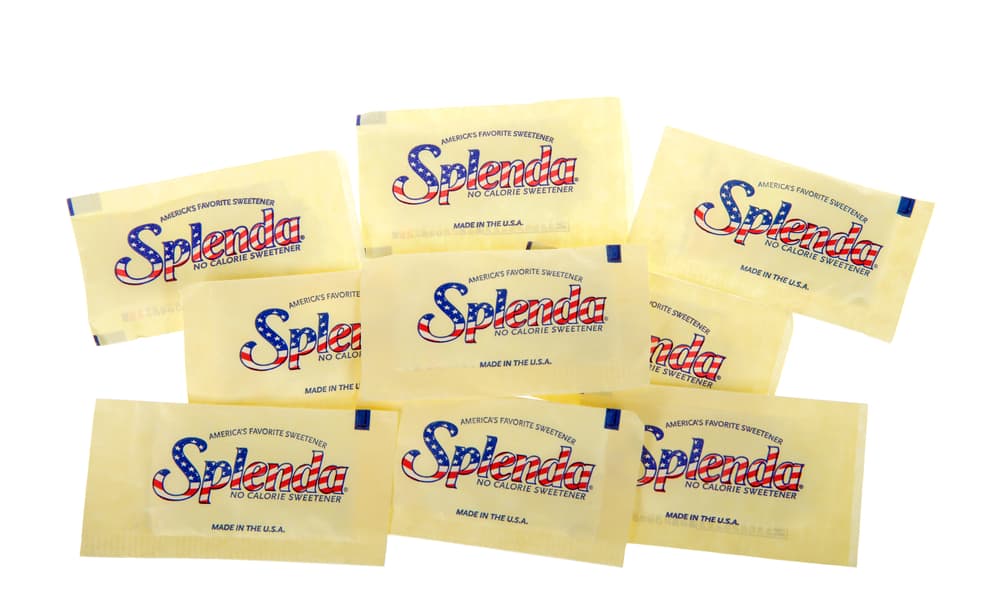
Artificial sweeteners have been around since the 1800s, with saccharin the first to be discovered. There are many various types of artificial sweeteners these days, including aspartame, found in Equal and NutraSweet; sucralose, found in Splenda; acesulfame, found in Sunette and Equal Spoonful; saccharin, found in Sweet ‘N Low; and xylitol, found in Perfect Sweet.
These sweeteners are generally considered to be non-nutritive. This means they have no calories and are completely void of any nutrition. Commonly added to many processed foods and drinks, they’re also hiding in a lot of other products like toothpaste and mouthwash, chewable vitamins and gum, cough syrup, salad dressing, frozen yogurt, candy, breakfast cereals, and processed snacks.

Artificial sweeteners are highly addictive. Too much can cause headaches, migraines, and weight gain, and increase the risk of obesity, diabetes, and cardiovascular disease. A diet high in sugars and sweeteners also puts you at risk of dental problems like cavities and tooth decay.
Research published by the National Center for Biotechnology found that two or more servings per day of artificially sweetened soda were associated with increased chances of a decline in kidney function in women. To avoid this risk, it’s important to avoid soda beverages and processed, highly-refined foods as much as possible. And instead of using artificial sweeteners, make use of nature’s sugars like maple syrup, raw honey, stevia and coconut sugar.