
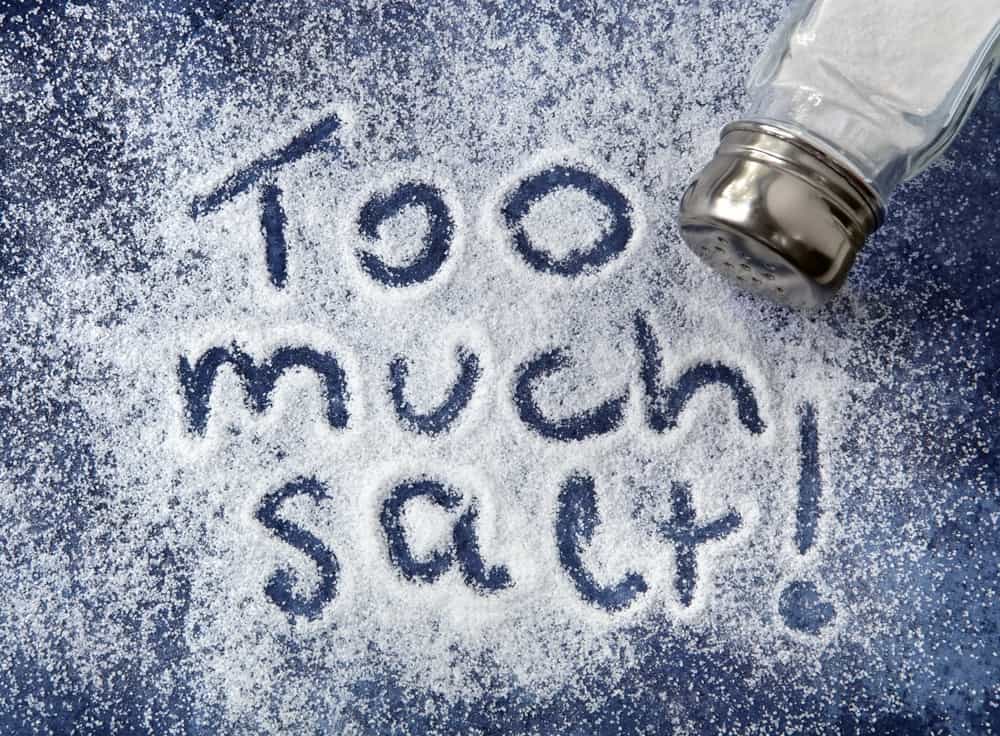
3. Table Salt
Salt is essential for our health. It helps regulate our blood pressure, control fluid balance, and helps our muscles and nerves function correctly. It can also be used as a remedy for heat stroke, soothe sore throats and treat tooth and gum issues. But even though it’s an important part of our diet, too much can cause a lot of damage. Table salt is a very common staple in many households all over the world but is considered to be the least healthy type of salt.
Table salt is a manufactured form of salt. Comprised mostly of sodium chloride, it’s similar to natural sea salt but is created by taking natural salt and cooking it at 1200℉, which strips it of all the important minerals. There are many different additives found in table salts, such as synthetic chemicals like iodide, sodium bicarbonate, fluoride, and anti-caking agents, as well as toxic amounts of potassium iodide and aluminum.
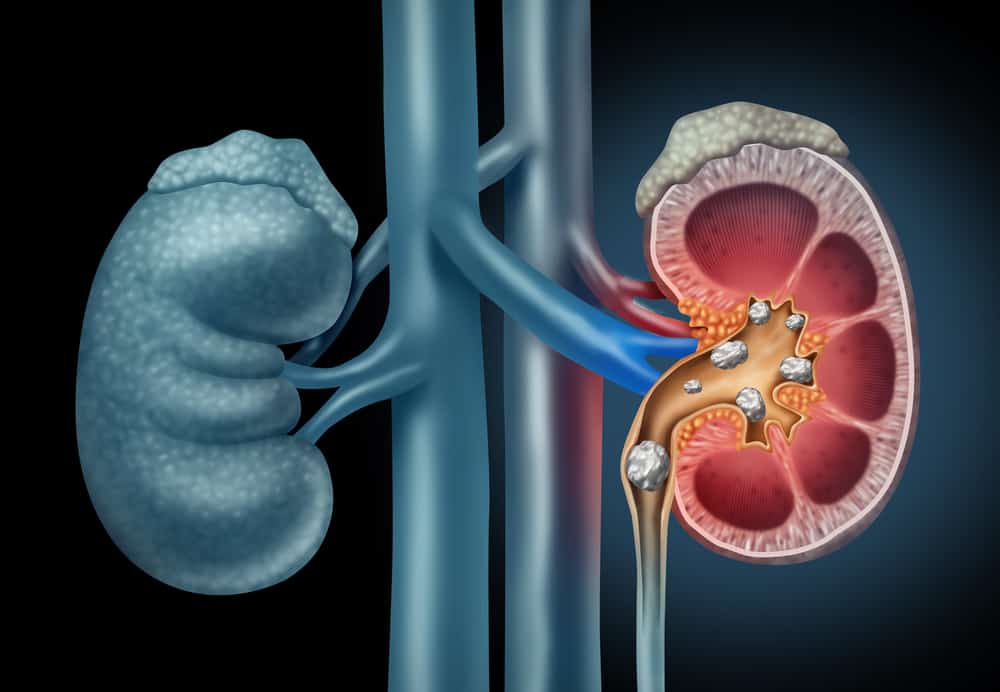
Diets high in table salt increase the chances of developing renal stones and can worsen health issues like diabetes and obesity. Continuing to ingest high volumes can potentially cause kidney and liver problems, as well as hypertension, heart disease, water retention, stroke and heart failure.
The general recommendation of daily salt intake is no more than 6 grams or one teaspoon. With today’s processed foods and soda beverages, it’s extremely easy to go over that recommended amount. Vigilance is required to ensure you eat as organically as possible, because the less processed a product is, the less table salt it will have.