
The Plymouth Fury earned its reputation on American roads through horsepower and scarcity long before Stephen King turned it into a supernatural villain — and if you’re shopping for one today, understanding that history is the difference between a smart buy and an expensive mistake.
The Car That Didn’t Need a Horror Novel to Turn Heads
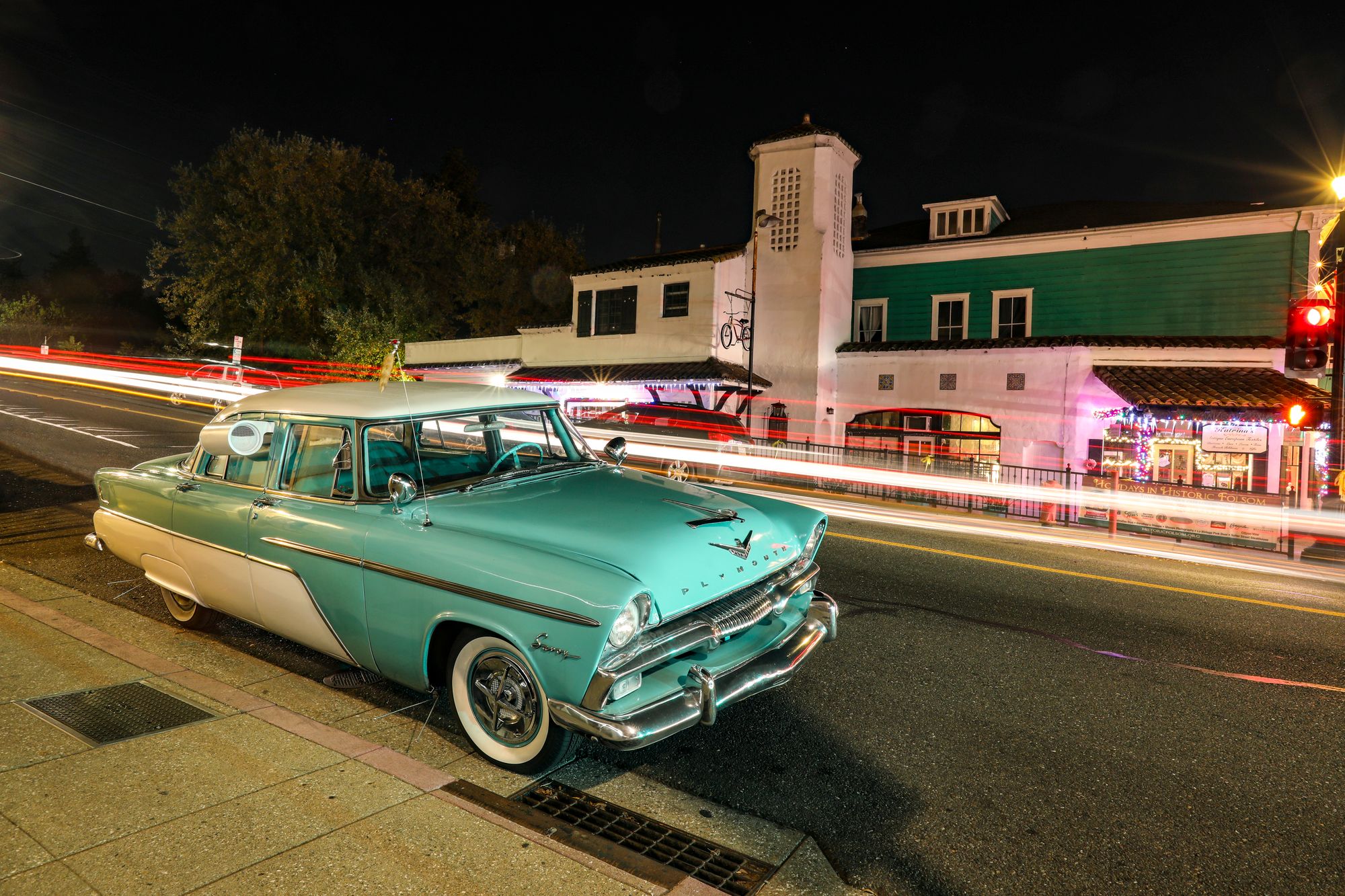
When Christine hit bookshelves in 1983, many readers assumed King had invented the car’s menacing personality wholesale. He hadn’t. The 1958 Plymouth Fury was already a genuine performance statement, built in limited numbers and positioned as the fastest thing Plymouth offered to a family buyer. King borrowed real details — the color, the trim, the relative rarity — and layered fiction on top of documented fact.
If you’re researching the Plymouth Fury today, you’re likely one of three people: a classic car buyer sizing up collector value and wondering whether the Christine premium is real or inflated; a Mopar enthusiast filling gaps in Plymouth’s performance history; or someone who found the car through the film and wants to know what’s actually true. This piece gives you the real numbers, the honest trade-offs, and the market context you need before you spend serious money.
The short version: the Fury started as a performance trim level on a family sedan, grew into its own model line, and spent over 30 years evolving into something nearly unrecognizable from its 1956 origins — a run that ended in 1989 and left behind one of the more layered collector stories in American automotive history.
How the Fury Started: A Trim Level With a Point to Prove (1956-1958)

Plymouth introduced the Fury nameplate in 1956 not as a standalone model but as the top-tier trim designation on the Plymouth Belvedere — a distinction that matters when you’re evaluating early cars at auction, because it affects how you verify authenticity. That first Fury came with a 303 cubic inch V8, sharply peaked tail fins that invited comparisons to Cadillac’s styling language of the period, and a badge that signaled Plymouth’s upmarket ambitions clearly. It was a halo car by design, built to show what the brand could do when it stopped playing conservative.
Production was intentionally limited across those early Belvedere-platform years, which is exactly why well-documented examples command serious premiums today. Scarcity is baked into the car’s DNA from the first model year, and the market reflects that. For a thorough look at early production numbers and trim details, Allpar’s Plymouth Fury history is one of the more comprehensive reference points available to enthusiasts and buyers.
By 1958 — the year Christine is set — the Fury had evolved into a recognizable performance statement, but it was still riding on the Belvedere platform, not yet its own model line. That context matters for both authentication and valuation.
The 1958 Plymouth Fury: Separating the Movie Car From the Real Machine

The Christine connection means the 1958 Fury generates more search interest than almost any other year in the nameplate’s history, so here is what you actually need to know before you start shopping. The real 1958 Fury was a two-door hardtop available only in Buckskin Beige with gold anodized exterior trim — a detail King used accurately, and one that many buyers fail to verify before committing to a purchase. If a seller is offering a 1958 Fury in any other color and claiming it is an original, that is your first red flag.
Under the hood, the 1958 Fury was equipped with a 318 cubic inch V8 producing approximately 290 horsepower in its top configuration — strong numbers for a car marketed to family buyers, and a legitimate performance benchmark against much of what Detroit was selling that year. Production figures for the 1958 Fury were limited, making genuine numbers-matching examples genuinely scarce on today’s market.
The problem you will face as a buyer is the volume of misrepresentation. Many cars marketed as 1958 Furys are clones assembled on cheaper Belvedere or Savoy bodies, which were mechanically similar but never left the factory as Furys. The price gap between a real numbers-matching example and a convincing clone can exceed $20,000 at auction. Demand the broadcast sheet, cross-reference the VIN against Plymouth production records, and hire a Mopar specialist for a pre-purchase inspection — not a general mechanic, a specialist. You can track recent sale prices on authenticated examples through Bring a Trailer’s Plymouth Fury auction archive, which gives you a realistic floor and ceiling before you walk into a negotiation.
When the Fury Grew Up: Full-Size Model Status (1959-1961)

In 1959, Plymouth made a move that the collector market still tends to undervalue: the Fury became a model in its own right, shedding its status as a Belvedere trim level and expanding onto a full-size platform that would define American family motoring through the early 1960s. This is the window where the Fury sits at the intersection of genuine performance hardware and classic American proportions, before emissions regulations and insurance costs began reshaping what Detroit’s engineers could put on paper.
Engine options expanded, wheelbases grew, and the Fury competed directly with Chevrolet’s Impala and Ford’s Galaxie — a competitive environment that explains why Plymouth continued pushing performance specifications as aggressively as it did. For buyers today, these early full-size Furys offer arguably better real-world usability than the rarer pre-1959 cars. Parts availability is broader, the restoration community is larger, and you are not paying the Christine premium that inflates 1958 asking prices regardless of actual condition.
Specs at a Glance: Key Years Compared

| Year | Engine | Displacement | Est. HP | Body Style | Notes |
|---|---|---|---|---|---|
| 1956 | V8 | 303 cu in | ~240 hp | 2-dr hardtop | First Fury; Belvedere trim level |
| 1958 | V8 | 318 cu in | ~290 hp | 2-dr hardtop | Christine year; Buckskin Beige only; limited production |
| 1960 | V8 | 361 cu in | ~305 hp | Multiple | Established as standalone full-size model |
| 1970 | V8 | 440 cu in | ~375 hp | Multiple | Peak muscle-era output; broader production volume |
Fuel economy across the performance V8 years ran roughly 10-15 mpg depending on driving style and engine choice. These are not vehicles you buy for running costs, and you should budget for fuel accordingly if you plan on anything beyond occasional weekend use. Parts availability is strongest for the 1965-1974 era due to production volume; pre-1959 cars require specialist sourcing and patience, which translates directly into higher restoration budgets and longer timelines.
Reliability on a well-maintained, properly restored example is generally solid — Mopar’s B and RB engine families from this era are well regarded for durability when properly cared for. But “well-maintained” is doing significant work in that sentence. A fresh coat of paint and a clean engine bay tell you nothing about the condition of the fuel system, the brakes, or the suspension geometry. A pre-purchase inspection by a Mopar specialist is non-negotiable before you commit.
The Sport Fury and Gran Fury: Variants Worth Knowing

The Fury nameplate spawned two significant variants that serious buyers should understand before they start shopping. The Sport Fury, introduced for 1960 as a performance-oriented sub-model, offered bucket seats and additional engine options that distinguished it from the standard Fury line. It represents an often-overlooked entry point for buyers who want genuine performance credentials without paying the full premium on a 1958.
The Gran Fury arrived later in the nameplate’s life as a larger, more luxury-oriented variant — a deliberate move by Chrysler to compete with full-size offerings from GM and Ford in the comfort-focused segment. Gran Fury models are generally more accessible on today’s market and carry lower premiums, making them a practical choice for buyers who prioritize usability over collector cachet. Understanding which variant you are actually being offered matters more than many buyers realize until after the purchase.
Plymouth Fury Collector Value: What the Market Actually Says
Collector value breaks down along three clear tiers, and knowing where your target car sits is the most useful thing you can do before you begin negotiating. Pre-1959 Belvedere-platform Furys — especially the 1958 — command the highest prices due to rarity and the Christine premium. The 1959-1961 full-size transition cars sit in the middle ground. The higher-volume 1960s and 1970s models offer the most accessible entry points into Mopar history without requiring you to verify authenticity against a factory production record.
A numbers-matching 1958 Fury in driver-quality condition has sold in the $35,000-$55,000 range at major auctions. Concours-quality examples with documented provenance have crossed $80,000. The broader Fury market — particularly 1965-1974 models — gives you more car for less money, with solid drivers available in the $12,000-$25,000 range depending on drivetrain condition and cosmetics. You can track current market trends and recent transaction data through the Plymouth Fury market page on Classic.com, which aggregates auction results across multiple platforms and gives you a realistic picture of where prices are moving.
The trade-off to state plainly: the Christine association inflates asking prices on anything wearing a 1958 Fury badge, and sellers know it. Your job as a buyer is to verify authenticity before the emotion of the transaction takes over. For an orientation on the nameplate’s full production history before you go deeper into specialist resources, the Plymouth Fury Wikipedia entry provides a useful starting framework.
Should You Buy One? The Honest Case For and Against
Buy a Plymouth Fury if you want a documented piece of Mopar history with a story that holds up under scrutiny, genuine community support, and — in the right year and configuration — real on-road performance that still makes an impression. The nameplate has enough range across its production run that you can find an entry point fitting your budget without compromising on authenticity.
Think carefully before buying if your budget tops out under $20,000 and you are targeting anything built before 1962. Restoration costs on early cars can erase an apparent deal within the first year, specialist labor is neither cheap nor easy to find, and the market for misrepresented cars is active enough to trap buyers who skip due diligence.
- Best value entry point: 1965-1974 models with documented drivetrain, in honest driver condition
- Best investment play: Numbers-matching 1958 with broadcast sheet and verifiable VIN — but only if you can authenticate it completely before purchase
- Biggest risk: Any 1958 offered without documentation in a market that consistently rewards seller optimism
- Overlooked option: Sport Fury models from the early 1960s, which carry genuine performance credentials at lower premiums than the 1958
- Parts availability: Strong for post-1964 cars; specialist-dependent for pre-1959
- Running costs: Budget for 10-14 mpg, period-appropriate maintenance intervals, and annual inspection by someone who knows Mopar specifically
The Christine factor is a double-edged sword. It keeps the nameplate visible, supports values across the range, and brings new buyers into the market every time the film cycles back into cultural conversation. It also floods the market with misrepresented cars and inflated seller expectations that require real diligence to navigate. The Plymouth Fury earned its reputation on the road before Hollywood ever got involved — and the right example, documented, inspected, and honestly priced, remains one of the more compelling pieces of American automotive history you can put in your garage.