
New Zealand’s electric vehicle import market has surged dramatically — but buried inside that growth story is a risk most buyers won’t discover until they’re already on the road, staring at a range estimate that doesn’t match what the listing promised.
The Surge Is Real — But So Is the Risk You’re Not Hearing About

New Zealand’s electric vehicle imports jumped 309% to $543 million, while low-emission vehicle imports overall rose 33%. Fuel prices gave the trend momentum, and the Clean Car Discount added financial logic to what was already becoming an emotional shift. Thousands of New Zealanders are now buying EVs — many for the first time — and a significant share of those purchases are used imports.
That’s where the conversation needs to get more honest. Most buyers are focused on the sticker price and the promise of lower running costs. Almost nobody is asking the question that actually determines whether the deal is good: what shape is the battery in? Because the battery is the car. Everything else is sheet metal and software.
A substantial portion of New Zealand EV imports — particularly the used stock — arrives from Japan and China with no disclosed battery history. Degraded capacity is almost never mentioned in listings. This article breaks down what you’re actually buying, how to verify it, and whether the deal holds up once you run the real numbers.
Where These Cars Are Actually Coming From
China leads New Zealand’s EV import figures by value, driven largely by brands like BYD and MG entering the market as new stock through franchise dealer networks. These are largely current-generation vehicles with manufacturer warranties, liquid-cooled battery packs, and CCS2 fast-charging compatibility. They represent a fundamentally different product category to what is arriving through grey-import channels.
Japan remains the dominant source for used electric vehicle imports that New Zealand buyers have been accessing for years. Nissan Leaf units — across multiple generations — and Mitsubishi i-MiEV models move through established grey importers in volume. These cars were purpose-built for Japanese urban driving cycles: short trips, low speeds, frequent stops. That sounds like a reasonable match for New Zealand commuter use, and sometimes it is. But charging habits, climate exposure, and battery management history vary enormously between individual vehicles, and none of that variation appears in a TradeMe listing.
Understanding the source country matters in a practical sense. New Chinese imports come with warranty coverage, local parts support, and batteries designed for longevity under modern thermal management systems. Used Japanese EVs acquired through grey importers come with none of that infrastructure. What you get depends entirely on which specific car, from which specific previous owner, serviced by whom, charged how often on DC fast chargers, and stored under what conditions.
The Battery Degradation Problem Nobody Puts in the Listing

Battery degradation in imported EVs is the single biggest variable in the used EV market, and it is almost completely invisible at point of sale. Here is the specific problem: a Nissan Leaf can show 12 out of 12 bars on its dashboard battery capacity indicator and still have lost 20-30% of its original usable range. The bar system is a coarse health indicator, not a precise measurement. It tells you the pack has not failed a threshold check — it does not tell you what percentage of original capacity remains.
First-generation Leaf units are the highest-risk category. Those models used air-cooled battery chemistry that degrades measurably faster when exposed to warmer ambient temperatures and repeated DC fast charging without active thermal management. New Zealand’s climate is not extreme, but it is warm enough in Auckland and Northland summers to matter over time. A Japanese Leaf that spent its service life in Hokkaido is a different vehicle from one that sat in Osaka traffic through humid summers.
The practical consequence: a car listed with “160km range” may realistically deliver 100-110km in real New Zealand driving conditions if the battery’s state of health (SoH) sits around 75-80%. That is not fraud — it is the seller quoting the original manufacturer figure, because they are not legally required to do anything else. Sellers in New Zealand have no obligation to disclose battery SoH. The discovery risk sits entirely with the buyer.
Spec Snapshot: What You Are Actually Comparing
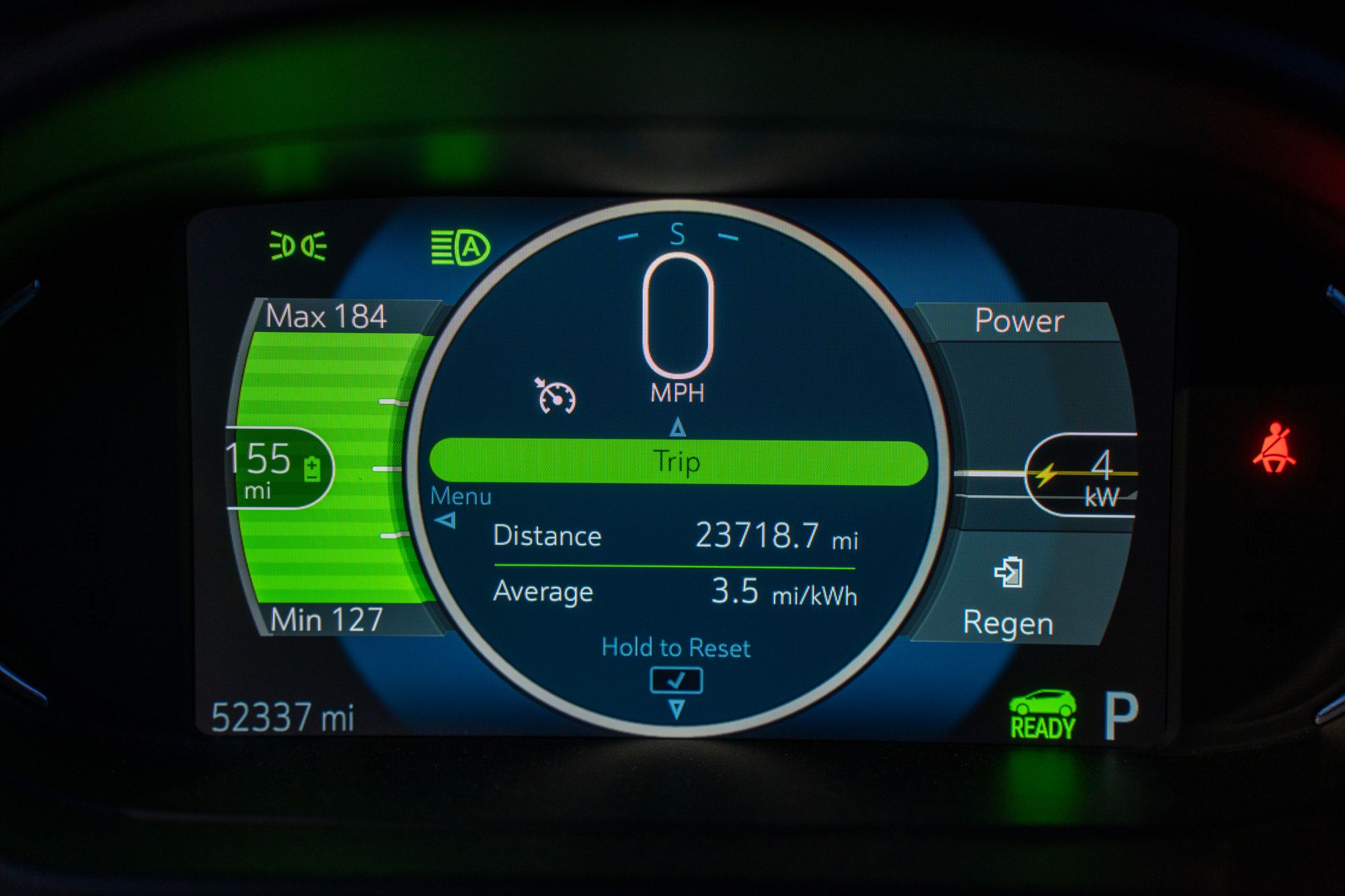
When shopping for used EVs in New Zealand, these are the models you will encounter most frequently. The table below gives you the numbers that matter for a buying decision — not the marketing spec sheet figures, but realistic estimates once you account for typical used-import battery condition.
| Model | Battery Pack | Original Real-World Range | Estimated NZ Range at ~80% SoH | Battery Cooling | Fast Charge Standard |
|---|---|---|---|---|---|
| Nissan Leaf (24kWh, Gen 1) | 24kWh | ~135km | 90-105km | Air-cooled | CHAdeMO |
| Nissan Leaf (30kWh) | 30kWh | ~170km | 115-130km | Air-cooled | CHAdeMO |
| Nissan Leaf (40kWh, Gen 2) | 40kWh | ~220km | 160-180km | Air-cooled (e+ variant: liquid) | CHAdeMO |
| Mitsubishi i-MiEV | 16kWh | ~100km | 65-80km | Air-cooled | CHAdeMO |
| BYD e6 (early import) | 60-80kWh | ~300km | 220-250km | Liquid-cooled | CCS/CHAdeMO (variant-dependent) |
Two specifications in that table should drive your decision more than any others. First, cooling type: liquid-cooled packs degrade significantly more slowly than air-cooled units, and that gap compounds year over year. A 40kWh Leaf or a BYD e6 will hold its capacity better over five years of New Zealand use than a first-generation 24kWh Leaf under identical conditions — not marginally better, but meaningfully better.
Second, charging standard: CHAdeMO fast-charge compatibility is becoming a liability. New Zealand’s charging infrastructure is actively expanding toward CCS2, and new installations are predominantly CCS2. If you are buying a CHAdeMO vehicle, verify that the fast-charging routes you actually need are covered before you commit, not in theory but in practice.
How to Actually Check Battery Health Before You Buy
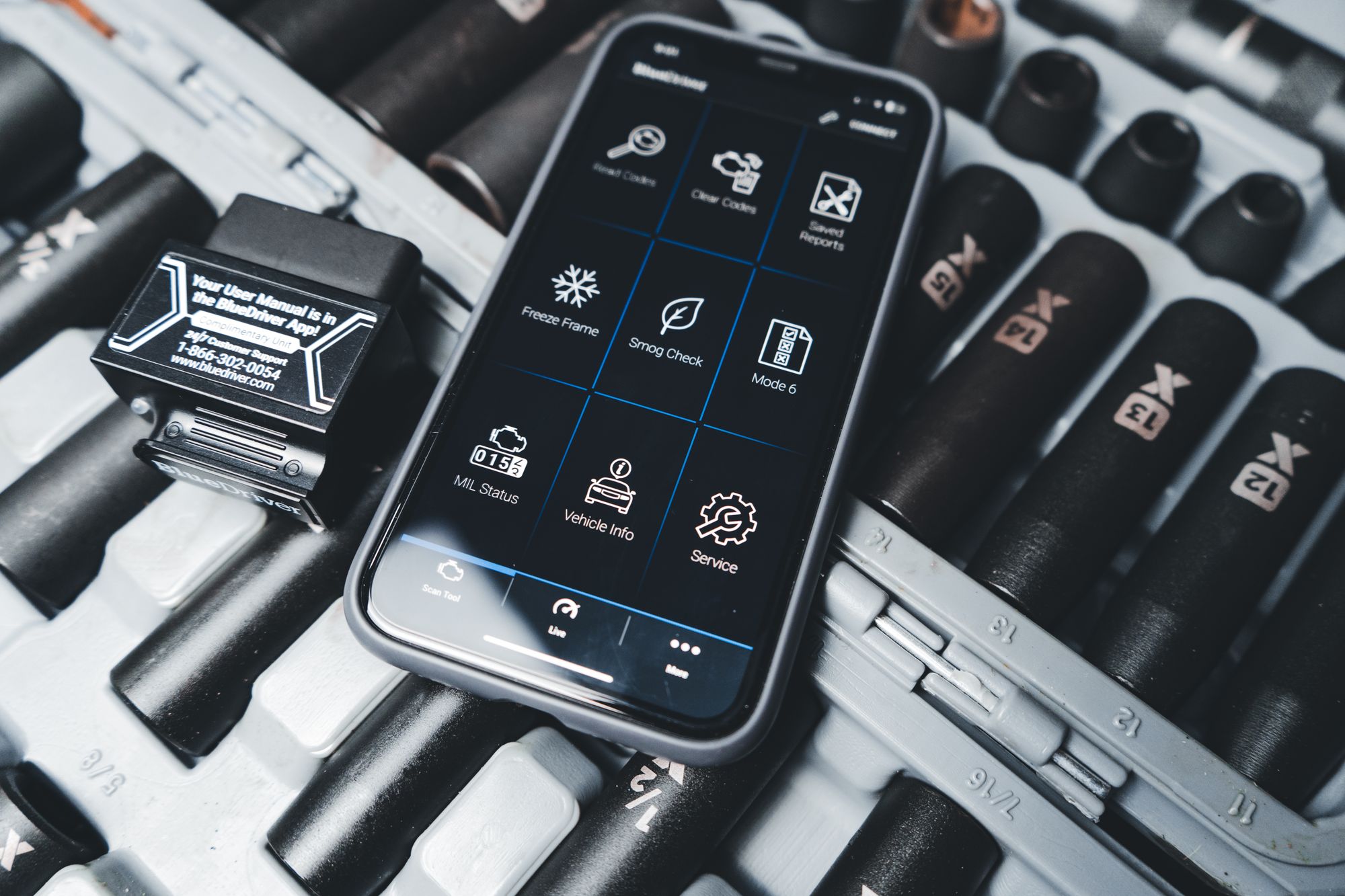
The process is straightforward, the tools exist, and there is no justification for skipping this step on any used EV purchase.
- Demand a battery SoH report. For Nissan Leaf models, a tool called Leaf Spy — used via the OBD-II port — gives a precise state of health percentage, cell voltage data, and charge cycle count. Any EV-specialist technician can run this check in under 15 minutes. If a seller refuses to allow it, that refusal is your answer.
- Budget $100-$200 for a pre-purchase inspection. Use an EV-specialist workshop, not a general mechanic. On a $10,000 purchase where battery replacement could cost $5,000-$15,000, the inspection fee is trivially small. Treat it as non-negotiable.
- Review the vehicle’s charge history where possible. A CarJam report or imported vehicle history can sometimes indicate usage patterns. Frequent DC fast charging on a vehicle without thermal management is a red flag for accelerated degradation.
- Require complete import documentation. If the seller cannot provide documentation showing compliance history and country of origin, you have no reliable foundation for trusting anything else about the vehicle’s condition.
The Price Versus Reliability Trade-Off, Honestly Assessed

A used Nissan Leaf priced at $8,000-$12,000 can represent genuine value — but only if the SoH comes back above 85%. At that level, you have a capable urban commuter with real-world range that works for most New Zealand daily driving patterns. Below 85% SoH, you are buying a vehicle with shrinking utility and a potentially expensive battery decision ahead of you.
New Chinese EVs entering New Zealand — the BYD Atto 3, the MG4 — carry full manufacturer warranties, liquid-cooled packs, CCS2 charging, and modern safety ratings. They cost more upfront. But they represent a structurally sounder long-term investment for anyone who needs consistent range performance and wants to use the fast-charge network without planning around connector availability.
The Clean Car Discount has narrowed the price gap further than many buyers realise. Before assuming a used import is cheaper, run the actual numbers using the current discount calculator. The gap between a new entry-level EV and a premium used import is smaller than it first appears, and the new vehicle carries none of the battery uncertainty.
Total cost of ownership over five years tells the real story. Factor in a potential battery pack replacement for an older Leaf — realistically $5,000-$15,000 depending on pack size and supplier — and the apparent savings of buying cheap can invert entirely. This is not a hypothetical risk. It is a known failure mode of the air-cooled pack design under sustained use.
What This Means If You Are About to Buy
If your priority is the lowest possible entry cost and your daily commute sits under 60km, a high-SoH used Leaf remains a defensible choice. The economics work, the running costs are genuinely low, and the platform is proven. But verify SoH first, every single time, without exception.
If you need reliable range above 200km, plan to use New Zealand’s expanding fast-charge network regularly, or want to avoid compatibility headaches as CHAdeMO infrastructure contracts, a new or near-new liquid-cooled EV with CCS2 charging is the more honest recommendation. The higher upfront cost reflects a product that will serve you consistently across a five-year ownership horizon.
The surge in EV imports is reshaping New Zealand’s new vehicle market in ways that are broadly positive — more competition, more accessible pricing, faster infrastructure development. But the speed of import growth has outpaced consumer awareness of the risks sitting inside second-hand battery packs. The market does not currently require you to be an informed buyer. You need to be one regardless.
Before you sign anything, have these resources open: Flip the Fleet’s battery health database for real-world Leaf SoH data from New Zealand owners, the NZTA compliance plate checker for import history verification, and the Clean Car Discount calculator to confirm you are comparing the right numbers. The information exists. Use it before you hand over a deposit, not after.