
Spain’s new car market expanded 7.8% in June, but Tesla’s 5.6% year-on-year gain to 2,779 registrations moved at a different pace — and if you are weighing an EV purchase or tracking where Spain’s electric shift is genuinely heading, the gap between those two numbers is where the useful signal lives.
Spain’s June Car Market in Context

A 7.8% overall market expansion reflects recovering consumer confidence and pent-up demand working through the system. Spain sits firmly in Europe’s top five automotive markets by volume, which means its monthly registration data functions as a barometer for broader southern European trends, not just domestic ones.
Combustion and hybrid models still dominate monthly volumes by a wide margin. When you place Tesla’s 2,779 units against that backdrop, you are looking at a brand that punches above its segment weight inside a market that has not yet tipped decisively toward full electric. That context is what turns a raw registration number into something actionable.
The market’s 7.8% overall rise lifts all segments simultaneously. It does not tell you who is winning relative share. To answer that question, you need to go one level deeper into Tesla’s specific trajectory.
Tesla’s 2,779 June Registrations: Solid Hold or Soft Ceiling?

The honest read on 5.6% year-on-year growth inside a market that expanded 7.8% overall is straightforward: Tesla gave back a fraction of its relative share in June. That is worth acknowledging without overstating. One month of marginal share slip inside a longer upward trend is a data point, not a verdict.
What gives the 2,779 figure credibility as a genuine demand signal rather than a clearance push is the nature of Tesla’s distribution model. There are no dealer lots carrying unsold inventory. According to industry registration data reported by Reuters, those 2,779 vehicles represent retail and fleet registrations processed through Tesla’s direct-sales channel, which makes the figure a cleaner read on real demand than a dealer-stock clearance number would be.
June is also structurally important for Tesla globally. End-of-quarter delivery dynamics consistently concentrate registrations in the final weeks of March, June, September, and December. Spain’s June figure is the direct local output of that mechanism. For a buyer at the decision stage, a high-volume delivery month can work in your favour on slot availability, but it typically means tighter room on any incentive programmes — Tesla does not negotiate on price, and regional incentive schemes tend to tighten when demand is visibly strong.
The H1 2026 Context: +29.8% Year-to-Date Reframes the Picture

Zoom out from June alone and the story shifts sharply. Tesla’s Spain registrations for the first half of 2026 rose 29.8% compared with the same period a year earlier. A single month of 5.6% growth sitting inside a half-year of 29.8% growth tells you June was a moderation, not a reversal. The underlying trend remains firmly upward; June simply did not carry the same weight as the months preceding it.
For a prospective buyer, that trajectory has a practical implication: consistent registration growth supports the infrastructure investment case. A brand posting sustained volume gains is one that will continue expanding its Supercharger network and service centre footprint in Spain — and that directly reduces one of the most frequently cited EV ownership risks. You are not backing a brand fighting for survival in this market.
The 29.8% H1 figure also implies that earlier months in 2026 carried heavier volumes. It is worth monitoring whether Q1 deliveries were front-loaded by pricing adjustments or model refresh cycles, because those patterns tend to repeat and can indicate when to time a purchase for the best delivery availability.
The European Benchmark: +77% Through May

Place Spain’s June number against the continental picture and the contrast sharpens further. Tesla registrations across Europe rose 77% year-on-year from January through May, according to European Automobile Manufacturers’ Association data — a dramatically stronger figure than Spain’s local June read of 5.6%.
Two explanations account for that gap, and they are not mutually exclusive. First, Spain may be further along in absorbing the Model 3 Highland delivery wave that moved across European markets at different paces — markets receiving Highland stock later would show stronger year-on-year comparisons when those deliveries landed. Second, Spain’s EV adoption curve, while accelerating, still trails northern European markets where government incentive structures have pulled buyers forward more aggressively.
Tesla’s 5.6% June gain in Spain measured against a 77% European multi-month figure is a legitimate flag worth monitoring — but one month of local underperformance against a continent-wide cumulative figure does not constitute a structural problem. What it does confirm is that Spain is not currently the primary engine driving Tesla’s European growth.
For buyers considering cross-border purchase options, the European supply picture matters directly: markets with stronger demand momentum may carry longer wait times and less delivery flexibility, which can make Spain a comparatively straightforward place to take delivery right now.
What This Means at the Purchase Decision Stage
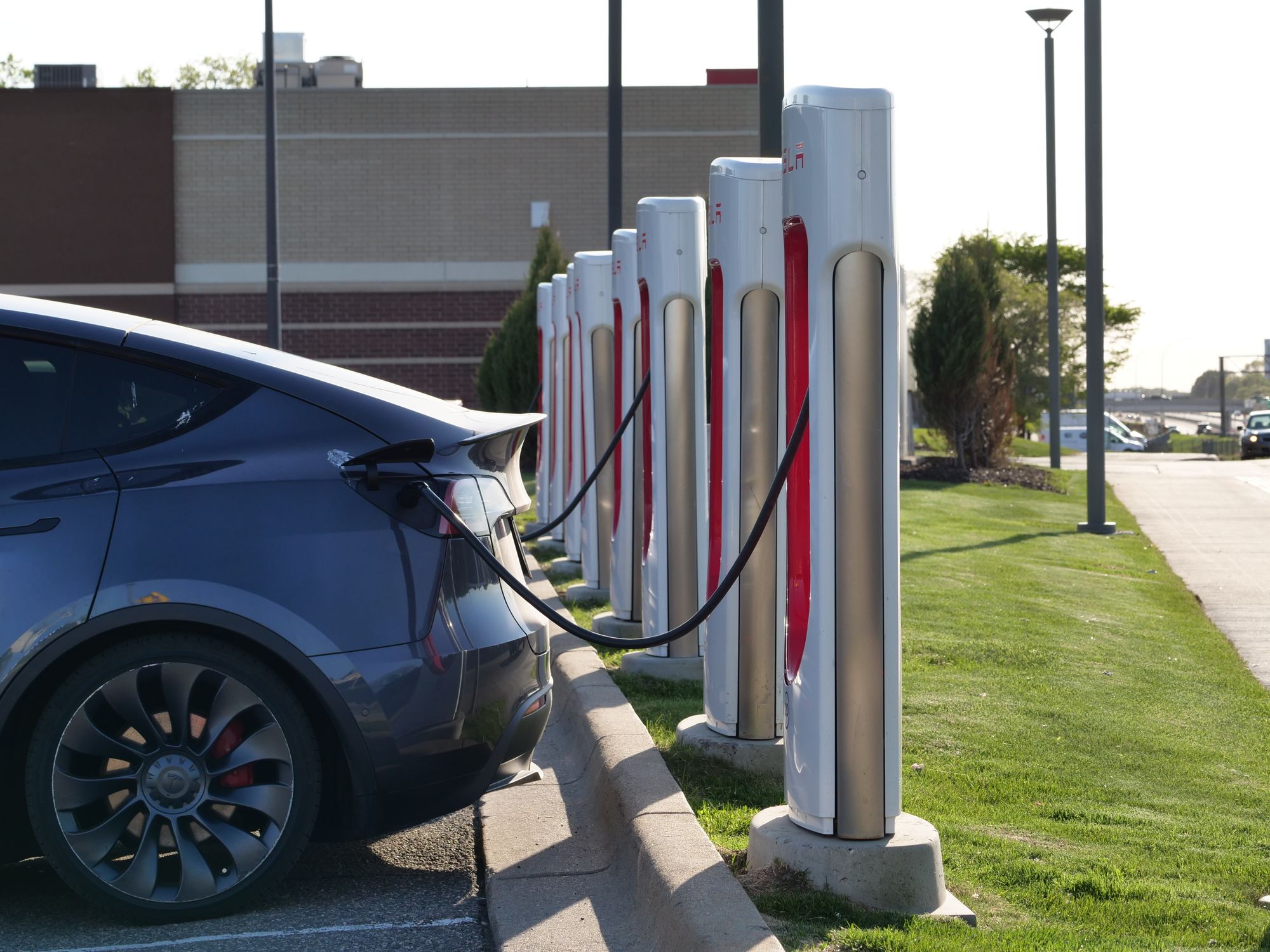
Spain’s EV market share is still building, and Tesla’s consistent presence in monthly registration data at meaningful volumes confirms that Supercharger and service centre investment will continue. That matters for long-term ownership risk. Brands posting thin sales volumes in a given market are the ones whose infrastructure commitments remain genuinely uncertain.
On total cost of ownership, Spain’s electricity tariff structure and the availability of off-peak home charging rates make a Model 3 or Model Y financially more defensible here than in markets with high residential energy costs. The fuel-saving arithmetic works well in the Spanish context, particularly with access to home charging. The trade-offs are real, however, and merit clear-eyed assessment before committing:
- Residual value risk: If Tesla’s Spain growth moderates further relative to the wider market, an expanding pool of second-hand EVs will create resale competition that petrol equivalents do not face at the same scale. This is not an immediate concern, but it is a five-year horizon consideration worth pricing in.
- Intensifying competition: Other EV brands and plug-in hybrids are filling the space that Spain’s 7.8% overall growth is attracting. Tesla’s relative share pressure in June is partly a function of a more crowded competitive field, not exclusively Tesla-specific factors.
- Service centre density: Spain’s Tesla service network is expanding but remains concentrated in major urban centres. If you are based outside Madrid, Barcelona, Valencia, or Seville, factor service logistics into your decision before signing.
The actionable read from June’s data is that demand is stable rather than inflated by a promotional bubble. That makes the current period a reasonable entry point. You are not buying at the top of artificial demand; you are buying into a market growing at a measured, sustainable pace.
The Number to Watch Next: Q3 2026
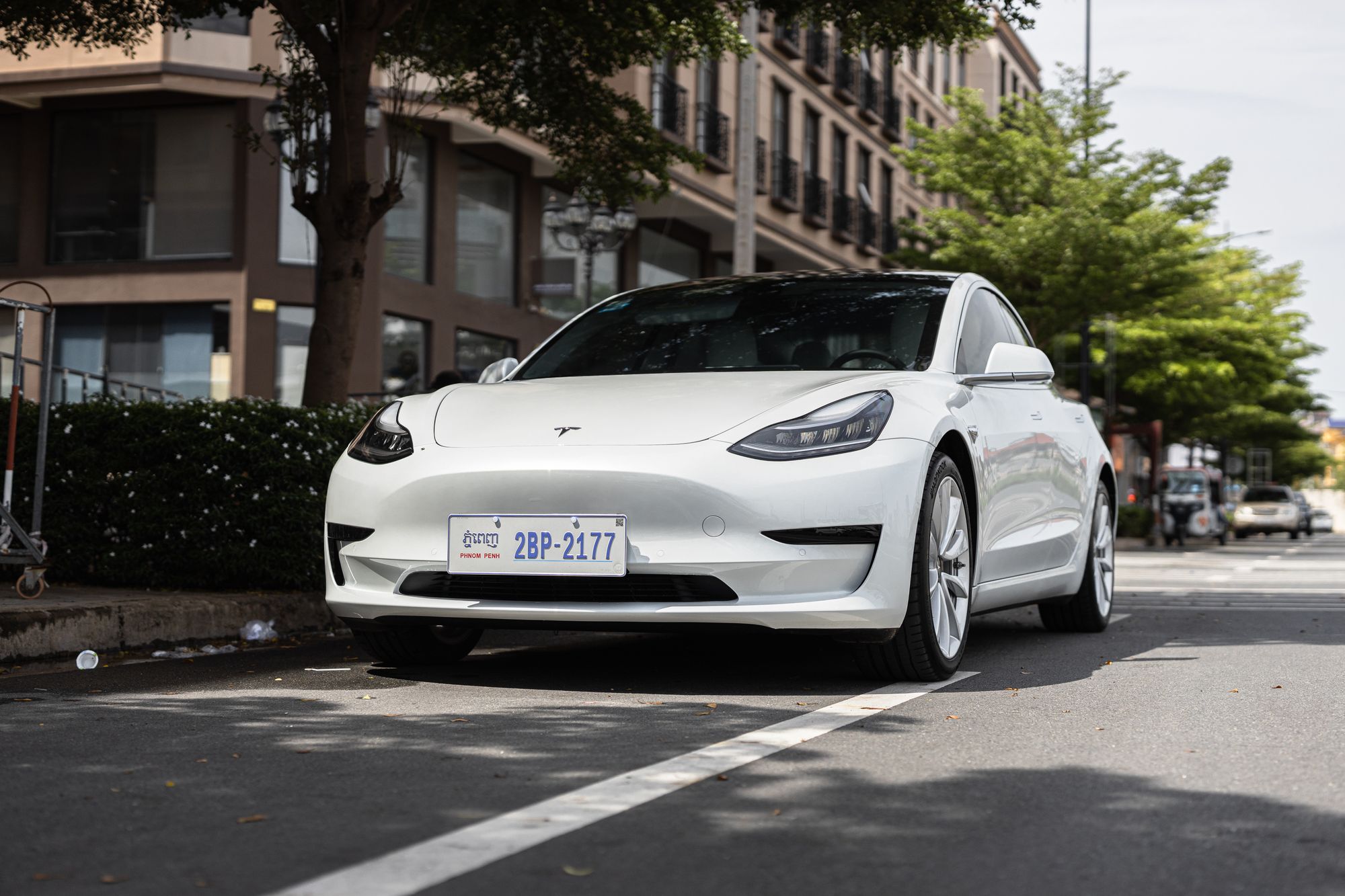
June’s 5.6% Tesla gain in Spain is one input. The H1 2026 figure of +29.8% and Europe’s +77% through May are the structural signals that should actually inform buying or investment thinking. A single month of underperformance against the broader market does not distort a trend that, viewed over six months, points clearly upward.
The figure worth tracking next is Q3 2026 Spain registrations. If Tesla holds above 2,500 units per month without requiring heavy incentive support, the demand base is genuine and the ownership case strengthens. If volumes fall significantly below that threshold without a clear seasonal explanation, that is the moment to revisit residual value assumptions.
Spain’s June data confirms two things without ambiguity: Tesla’s foothold here is growing, and so is the competition running alongside it. Go in knowing both are true.