
Kentucky has nearly $70 million in federal money earmarked for electric vehicle charging infrastructure — but if you’re buying an EV today and planning to drive it across the state, that number means a lot less than you’d hope. Here’s what’s actually in the ground, what’s still in a spreadsheet, and whether the grid can keep up with the ambition.
What Kentucky Has Actually Committed — The Numbers

The funding picture is genuinely significant. Under the Bipartisan Infrastructure Law, Kentucky was allotted nearly $70 million in federal formula funding over five years — the largest single EV infrastructure commitment in the state’s history. That’s not a grant application or a wish list; it’s allocated money with Kentucky’s name on it.
The first concrete wave breaks down like this:
- $32.9 million approved for 48 fast-charging stations developed by 11 different companies — this is the headline buildout most people are referencing when they talk about Kentucky expanding electric vehicle stations.
- $8.6 million announced by Governor Andy Beshear to fund 11 additional EV charging stations under Team Kentucky’s EV Charging Program.
- $2.5 million from the Volkswagen emissions settlement, available for new projects across the commonwealth — a separate funding lane that runs parallel to the federal formula money.
That’s a real commitment. But approved funding and installed chargers are two entirely different things, and the gap between them is where most buyers get tripped up.
What’s Open Right Now vs. What’s Still a Ribbon-Cutting
Two fast-charging stations are confirmed open: one in Elizabethtown and one in Shepherdsville, both through Team Kentucky’s EV Charging Program and both positioned along the I-65 corridor. If you’re running a Louisville-to-Nashville route, you have coverage. Those two Kentucky cities getting new EV fast-charging stations represent a real operational development — not a future promise.
The 48 approved stations across 11 developers are in various stages of permitting, site preparation, and construction. “Approved” does not mean plugs in the ground. For route planning today, rely on established third-party networks rather than state-funded infrastructure that hasn’t opened yet.
Build in a realistic lag time of 12 to 36 months from funding approval to a charger you can actually use. Permitting, utility interconnection agreements, and construction scheduling are the real bottlenecks — not political will or money.
The Grid Question Nobody in the Press Release Answers

Here’s the part that gets glossed over in every official announcement: DC fast chargers drawing 150-350 kW create enormous instantaneous load. A cluster of six chargers at a highway rest stop can spike grid demand by an amount equivalent to powering a small neighborhood simultaneously. Rural Kentucky’s distribution infrastructure was not designed for that load profile.
Utility upgrades — transformer replacements, line capacity increases, new service connections — often cost as much as the charger hardware itself, and they take longer to complete. Kentucky utilities including LG&E, KU, and rural electric cooperatives each negotiate interconnection agreements on a site-by-site basis. That process is neither fast nor guaranteed to come in on budget or on schedule.
The honest trade-off is this: the funding is real and the chargers are coming, but grid readiness is the single variable that determines whether the 48-station buildout is complete in 2026 or closer to 2028. That variable rarely appears in press releases, but it belongs in any serious planning timeline.
Rural Kentucky’s Specific Problem: Range Anxiety Has Numbers Behind It

Kentucky covers 120 counties. Large stretches of the eastern coalfields and western lowlands have almost no public fast-charging presence today, and the first round of funding won’t fully close that gap. The federal NEVI program requires stations every 50 miles along designated Alternative Fuel Corridors — which helps interstate travelers but does essentially nothing for county roads and smaller towns.
If you drive a shorter-range EV rated under 200 miles EPA and you live or regularly travel in rural Kentucky, the current network is not reliable enough for unplanned detours. That’s a coverage map problem, not a matter of opinion. Longer-range vehicles rated at 300-plus miles EPA provide enough buffer to work with today’s sparse rural network. In Kentucky specifically, range remains the most practical specification to prioritize when shopping.
The Kentucky EV Charging Program is the right place to track which corridors are being prioritized and where new sites are coming online — but cross-reference approval announcements against confirmed open dates before making travel plans.
Charging Speed and Cost: What the Specs Actually Mean for Your Stop
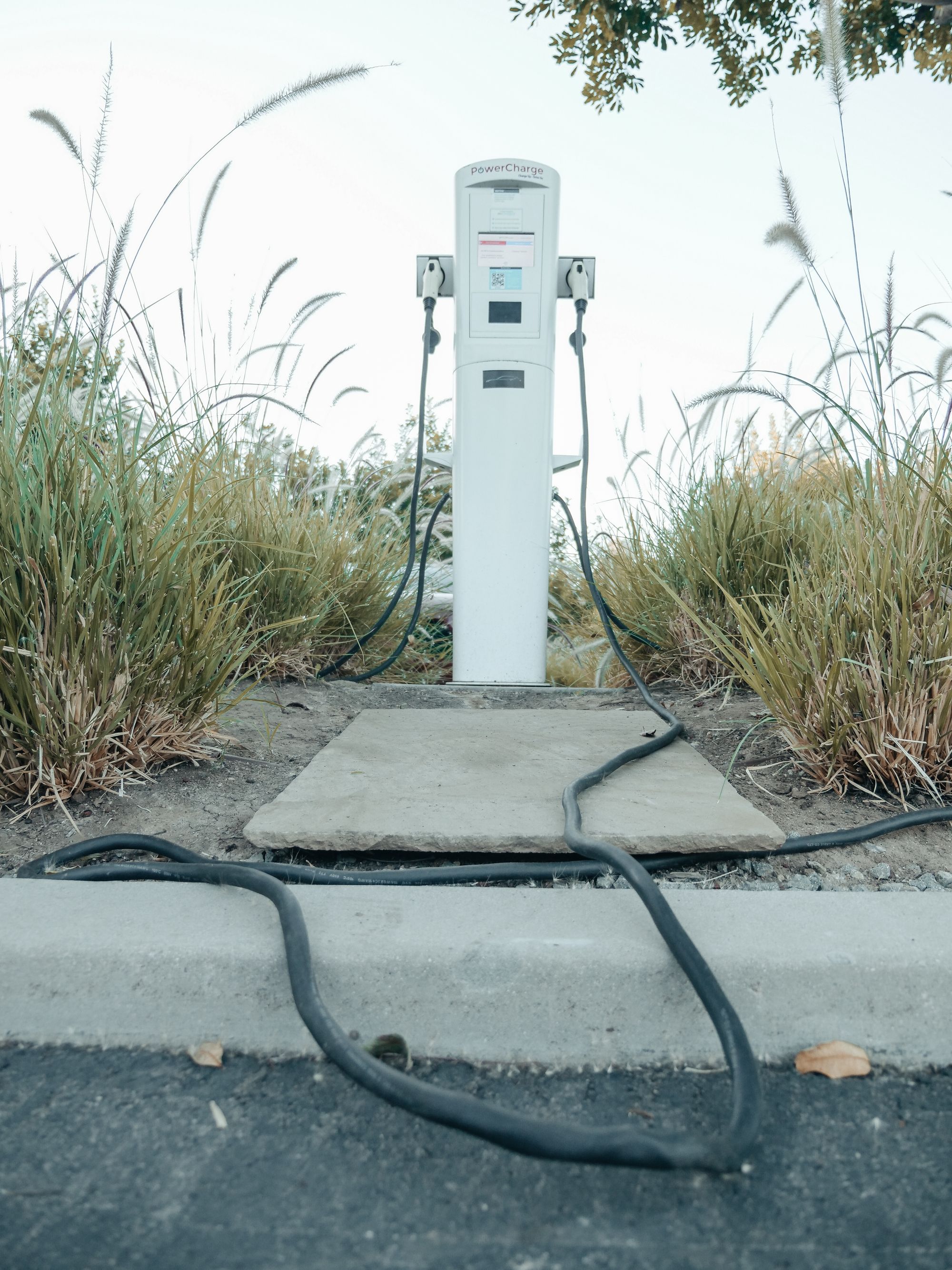
Not all charging is equal, and the difference matters on a road trip. Here’s a straightforward comparison of what you’ll actually encounter at Kentucky stations:
| Charger Type | Power Output | Range Added Per Hour | Typical Stop Time for 150 Miles | Best Use Case |
|---|---|---|---|---|
| DC Fast Charger (DCFC) | 150-350 kW | Up to 600+ miles (at peak) | 20-30 minutes | Highway road trips |
| Level 2 AC | 7-19 kW | 10-30 miles | 5-10 hours | Overnight hotel stays, workplace charging |
| Level 1 AC (120V) | 1.4 kW | 3-5 miles | 30-50 hours | Emergency top-off only |
The new Kentucky stations are targeting DC fast charging at 150 kW — the right standard for a highway corridor stop. At that rate, most vehicles can recover roughly 100-200 miles of range in 20-30 minutes, depending on the vehicle’s onboard charge acceptance rate and battery thermal state at the time of the session.
On cost: expect $0.25-$0.45 per kWh at DC fast chargers in Kentucky. A 60 kWh session runs approximately $15-$27 depending on the network and time of day. For comparison, at $3.20 per gallon and 30 MPG, covering 200 miles in a gasoline vehicle costs roughly $21. EVs hold a cost advantage — but that edge narrows significantly if you rely exclusively on public fast-charging rather than topping up at home overnight. Home charging at Kentucky’s residential electricity rates is where the real savings accumulate; public fast-charging is a road-trip tool, not a sound daily strategy.
Bottom Line: Should You Buy an EV in Kentucky Today?

The answer depends entirely on how you drive.
- Daily commute under 150 miles, home charging available: The existing network is already sufficient. The new state-funded stations are upside, not a prerequisite. Buy now if the vehicle makes sense on its own merits.
- Frequent road trips across rural Kentucky: Consider waiting 18-24 months. The approved 48-station network needs time to actually open, and travel plans shouldn’t depend on infrastructure that hasn’t been built yet.
- Watching for reliability signals: Track the Elizabethtown and Shepherdsville stations. Consistent uptime at those two locations over the next 12 months would be a meaningful indicator that the broader rollout is operationally sound — not just funded on paper.
The trajectory is clearly toward a viable statewide network. The political commitment is real, the federal money is allocated, and Kentucky is moving faster on EV charging infrastructure than at any prior point in its history. But “nearly $70 million allocated” is not the same thing as a charger waiting for you in the western coalfields or the Pennyrile region. Plan around what exists today, monitor the buildout against actual open dates, and make your purchase decision on verified infrastructure — not press release timelines.