
On Sunday, July 19, 2026, more than 60 vehicles rolled into the Pleasant Lake area of Henrietta Township, Michigan for a charity car show that most automotive media will never cover. If you care about where real collector cars actually live, that oversight is your opportunity.
The Annual Show Behind the Fire Station
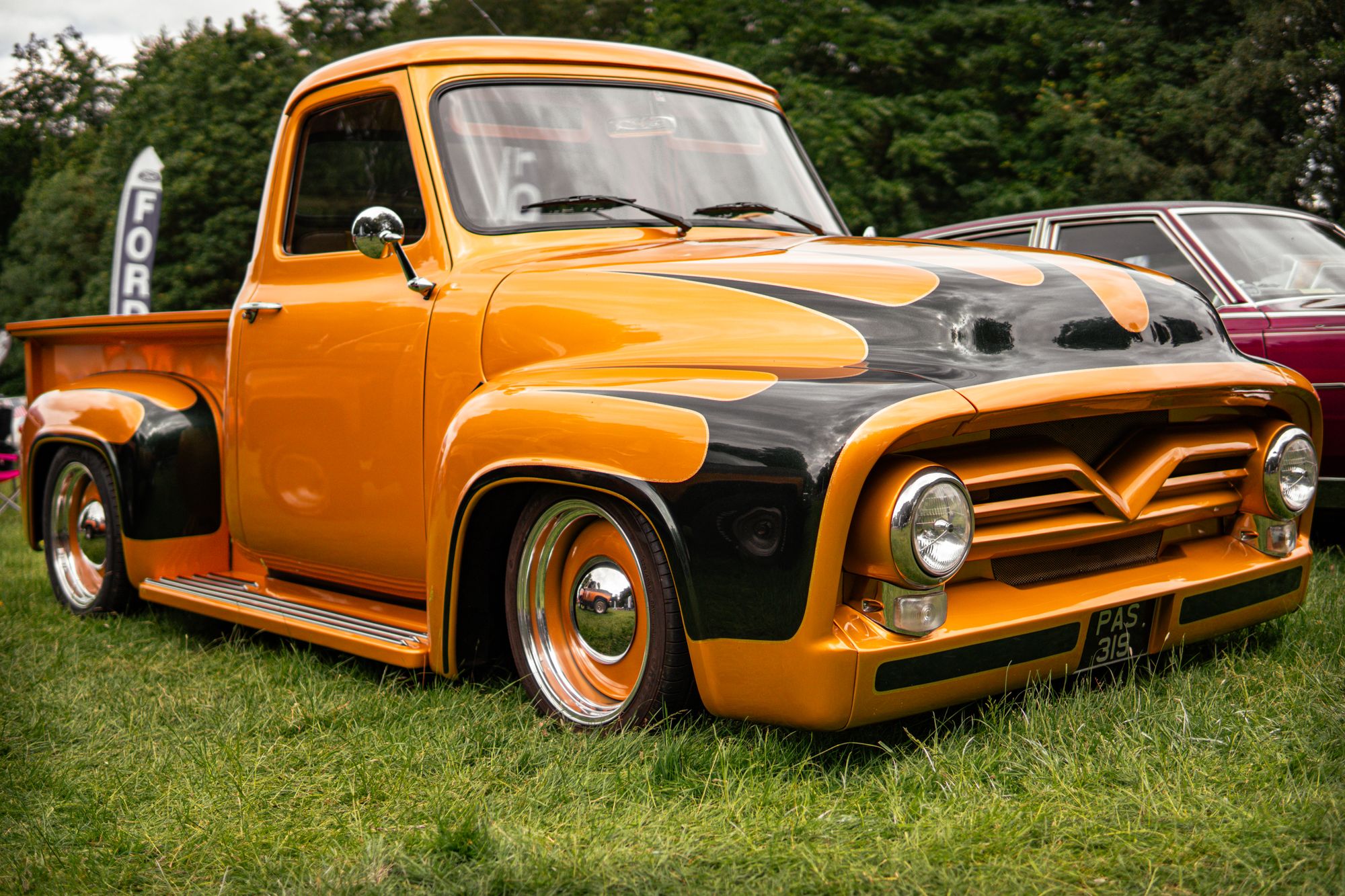
The Henrietta Firefighters Association Classic Car Show exists to support the Henrietta Township Fire Department. Not to sell sponsorships, not to crown a six-figure restoration, and not to generate content for a brand. The July 19, 2026 event drew more than 60 vehicles to a community show organized around the fire station in rural Jackson County, Michigan, near Pleasant Lake.
If you have been searching for classic car shows that are not dominated by trailer queens and velvet ropes, this is the model worth understanding. Sixty cars at a township-level show in mid-Michigan is not a small number. It is a signal about the health of the regional collector community.
What Large Concours Events Exclude

Pebble Beach and Amelia Island operate with explicit eligibility criteria — provenance documentation, professional restoration standards, and judging categories that functionally filter out driver-quality cars, project survivors, and anything that has not already achieved recognized collectible status. That is a legitimate curatorial choice, but it means those events tell you almost nothing about what the collector car market looks like at ground level.
At a local classic car show like Henrietta’s, you are more likely to find the cars that represent the actual ownership experience:
- Daily-driven muscle cars with honest patina and period modifications
- Working-class trucks with factory options and authentic wear
- Home-garage restorations completed over several years on a real budget
- Survivors with original paint that no concours committee would consider
This matters to buyers because these events deliver unfiltered market intelligence — what real people are actually driving, maintaining, and valuing. The trade-off is consistency: judging standards at a firefighters car show reflect community preference, not restoration accuracy. Know the difference before you use a local trophy to validate a purchase decision.
How the Charity Model Changes the Car Mix

Because the Henrietta event exists to raise funds for the fire department, participation is driven by community loyalty rather than trophy hunting. That changes the car mix dramatically compared to a regional points-based show where owners calculate entries for season standings.
Entry fees at charity events like this one typically run $10-$25 per vehicle, with proceeds going directly to the sponsoring organization. Spectator admission is often free or donation-based, which lowers the barrier to attendance for anyone who wants to walk the field and talk to owners.
The practical result is a more honest cross-section of what is actually sitting in private garages in rural Michigan — including vehicles that would never pass muster at a marque-specific club show but are genuinely well-preserved originals. If you are scouting for a purchase, charity shows are underrated hunting grounds. Owners are engaged, cars are accessible, and you can have a direct conversation without a dealer or auction house positioned between you and the facts.
What 60-Plus Vehicles at a Community Show Says About the Regional Market

A 60-vehicle turnout at a single-day community classic car show in a township-level Michigan community signals a healthy regional collector base. This is not an accident of geography.
Michigan’s collector car concentration is historically elevated due to the auto industry’s footprint. Rural counties near Jackson consistently produce strong turnout at local shows because ownership rates, not wealth, drive participation. These are people who bought their cars new, inherited them from family, or picked them up locally before prices climbed. They show up because the event is in their community, not because they are chasing a national circuit.
For buyers, the Pleasant Lake and Jackson, Michigan corridor is a legitimate sourcing region. Supply is strong, transaction costs are lower than in metro Detroit, and owners are frequently first or second owners rather than flippers who acquired the car at auction. In coastal markets, 60 vehicles at a show might mean 60 professionally restored cars with steep asking prices attached. In Henrietta’s market, 60 vehicles means 60 real conversations about real cars.
How to Find and Evaluate Local Classic Car Shows
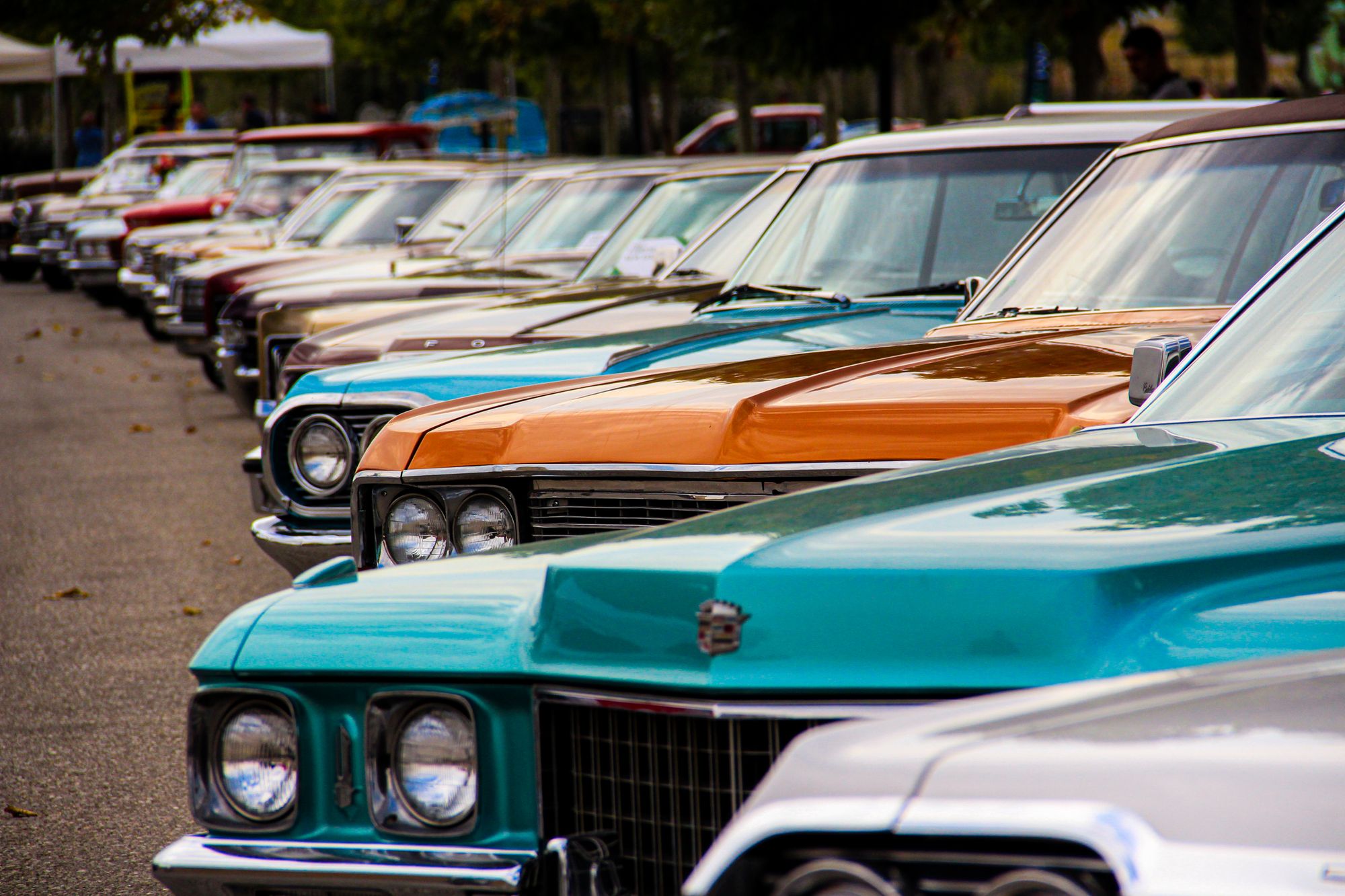
Searching for classic car shows online surfaces national event aggregators first — Hemmings, the AACA database, and Cars and Coffee listings. Those are useful starting points, but the most actionable sources for shows like Henrietta’s are county fair boards, local fire and EMS association websites, and regional Facebook groups where community events actually get promoted weeks in advance.
When evaluating whether a show is worth your time, apply three filters:
- Charity-driven or trophy-driven? Charity shows attract a broader, more candid ownership group.
- Open-class or marque-restricted? Open-class shows give you the widest field and the most purchase prospects.
- Rural or suburban location? Rural shows skew toward driver-quality cars; suburban shows skew toward show-quality restorations with corresponding asking prices.
A firefighters car show specifically signals institutional credibility. The organizing body has permanence, community accountability, and a reason to run the event annually that is not tied to vendor revenue or a promoter’s calendar. The Henrietta event’s confirmed annual track record in mid-July makes it a plannable fixture. Build a regional show calendar around confirmed annual events and you will spend less time searching aggregators and more time actually on the field.
Why Community Shows Keep Collector Cars on the Road

Concours culture, whatever its merits as a showcase, can create incentives that work against long-term preservation. Trailering to avoid road miles, over-restoration that destroys original components in pursuit of judging points, and static display that keeps cars out of active mechanical use — these behaviors remove vehicles from circulation and can eliminate the original character that made them worth preserving.
Community classic car shows reward participation over perfection. Owners keep driving their cars, keep maintaining mechanical systems, and stay connected to active parts and service networks. The cars that survive in the best long-term condition are frequently the ones that got driven to shows like Henrietta’s every summer — regular use keeps seals conditioned, fuel systems clear, and cooling systems working as intended.
If you are evaluating a purchase and the seller mentions the car has done the local show circuit for years, treat that as a meaningful data point. It means the car has been started, driven, and publicly presented consistently. Mechanical issues surface under regular use, which means a car with a consistent show history has had the opportunity to reveal problems. If it is still running well, that history carries real weight.
Planning Your Visit to the Henrietta Show
If you are within 90 minutes of Pleasant Lake, Michigan or the Jackson area, the Henrietta Firefighters Classic Car Show deserves a slot on your summer calendar. The entry field, the cause, and the accessibility make it a worthwhile use of a Sunday.
Come prepared to have owner conversations. Bring something to take notes with, know what you are looking for in a potential purchase, and ask direct questions about maintenance history, storage conditions, mileage, and known issues. Owners at charity shows are generally willing to talk — they came to share the car, not to deflect questions.
If you are showing a car, understand that this is a community event first. Presentation matters, but so does being approachable and contributing to the atmosphere that makes shows like this worth running year after year.
Support the cause directly. The Henrietta Township Fire Department depends on events like this for supplemental funding, and your entry fee or spectator donation has a direct impact on a department protecting a real rural community. Coverage of the 2026 event confirms this show is real, recurring, and worth your attention if you are anywhere near mid-Michigan in July.