
BMW just did something that would have sounded unlikely two years ago: it overtook Tesla in European electric vehicle sales for a full month — and in Germany specifically, it reclaimed second place in new BEV registrations with a 9.5% market share. If you’re shopping for a premium electric car in Germany right now, that shift in the competitive landscape is worth understanding before you sign anything.
BMW Beat Tesla in Europe — And the Numbers Are Hard to Ignore
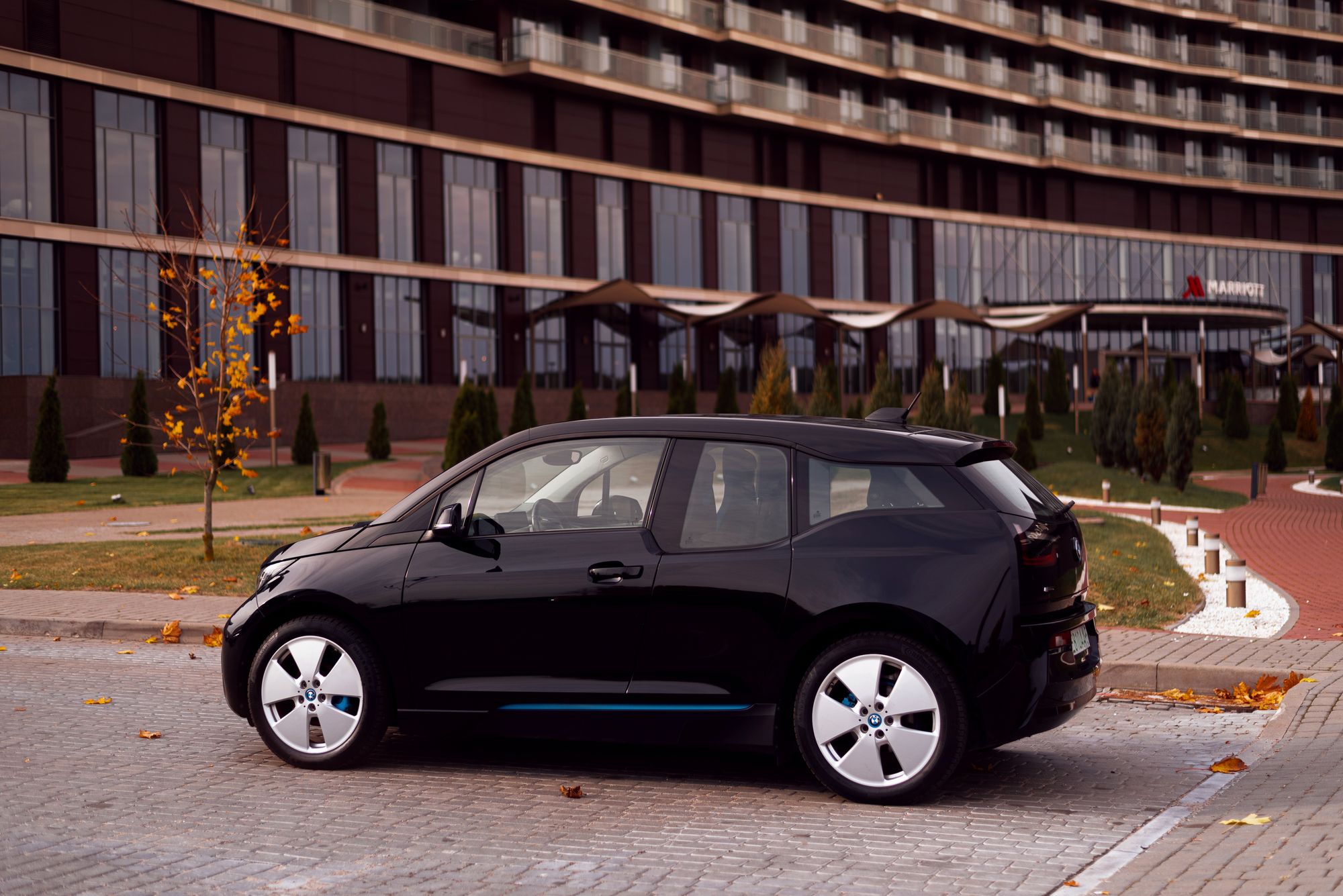
BMW delivered 14,869 new EVs in Europe in a single month, beating Tesla by 308 units — the first time BMW has come out ahead of Tesla in the European electric car market. That margin is narrow, but the direction of travel is not ambiguous.
Zoom out and the trend sharpens. BMW sold 97,525 battery-electric vehicles in Europe over the tracked period, representing a 49% year-over-year increase. That kind of growth reflects sustained production capacity, genuine consumer demand, and a lineup strategy hitting its stride across multiple segments at once — not a single model carrying the entire result.
For buyers, the practical implication is direct: a serious German competitor is now fighting Tesla for premium EV market share. That means broader model choice, sharper lease terms, and real pressure on Tesla to justify its pricing in a market where it can no longer coast on being the only credible alternative.
How Germany’s EV Market Actually Breaks Down Right Now

Germany is Europe’s largest auto market, and its BEV registration data functions as a reliable early indicator for where the broader European market heads next. The current standings look like this:
| Brand / Group | Germany BEV Market Position | Approx. BEV Market Share |
|---|---|---|
| Volkswagen Group (VW, Audi, Skoda, Cupra) | 1st | Leading overall |
| BMW Group | 2nd | 9.5% |
| Tesla | 3rd (displaced) | Contested by analysts* |
*Exact Tesla Germany BEV registration figures vary depending on whether analysts count direct-import and fleet registrations consistently. Treat Tesla’s precise share as approximate.
BMW’s 9.5% share came after adding roughly 10,000 units to its sales total — enough to push decisively past Tesla’s German registration numbers. BMW has officially reclaimed second place in new electric vehicle registrations in Germany, a position that carries real weight in a market this competitive. Volkswagen Group brands still lead overall, but the gap between second and third place now sits measurably in BMW’s favour.
According to 2025 German EV registration data, the competitive field is tighter than at any point in the past three years — which matters directly to anyone negotiating a purchase or lease right now.
What BMW Did Differently: The Strategy Behind the Sales Surge

The contrast with BMW’s German premium rivals is striking. BMW sold more EVs in 2024 than Audi and Mercedes-Benz combined — two brands sharing BMW’s premium positioning and developing electric lineups for nearly as long. That outcome doesn’t come from one strong model. It comes from spreading volume across a full lineup: the iX1, i4, iX3, i5, and iX each pulling meaningful registration numbers rather than relying on a single hero product to carry the result.
BMW also leaned into a structural advantage Tesla simply does not have: a conventional dealer network. In Germany, competitive lease rates and corporate fleet arrangements are frequently negotiated face-to-face through dealerships with long-standing regional relationships. Tesla’s direct-sales model has genuine strengths, but flexibility in fleet deal structures has historically not been one of them.
A 49% year-over-year increase in European EV sales is not a one-month statistical anomaly driven by a fleet registration dump. The production ramp is sustained, and demand is meeting it across multiple price points and body styles simultaneously.
BMW’s Electric Lineup at a Glance: What You Can Actually Buy

The four numbers that actually matter at the point of purchase are range, price, charging speed, and cargo space. Here is where the core BMW EV lineup stands:
| Model | Starting Price (Germany, approx.) | WLTP Range | Max DC Charging | Cargo Volume |
|---|---|---|---|---|
| BMW iX1 xDrive30 | ~€52,000 | Up to 440 km | 130 kW | 490 L |
| BMW i4 eDrive40 | ~€58,000 | Up to 590 km | 205 kW | 470 L |
| BMW iX3 | ~€62,000 | Up to 460 km | 150 kW | 510 L |
| BMW iX xDrive50 | ~€98,000 | Up to 630 km | 200 kW | 500 L |
Prices and specifications are approximate and subject to change. Verify current figures with BMW Germany directly before purchasing.
The honest trade-off: BMW EVs carry a meaningful price premium over comparable Volkswagen ID. models, and certain Hyundai IONIQ and Kia EV variants match or beat BMW’s range at lower price points. You are paying for the interior quality, the dealer infrastructure, and the badge. Whether that premium is justified depends on your specific priorities.
One differentiator worth flagging for buyers in northern or alpine Germany: BMW offers dual-motor all-wheel drive across the lineup. For year-round Autobahn and mountain driving, that is a practical capability, not a marketing line.
BMW vs. Tesla: An Honest Comparison for the German Buyer

The most direct competition in the German market right now sits between the BMW i4 and the Tesla Model 3. Here is how they compare on the metrics that actually drive purchase decisions:
| Spec | BMW i4 eDrive40 | Tesla Model 3 Long Range RWD |
|---|---|---|
| Starting Price (Germany, approx.) | ~€58,000 | ~€46,000 |
| WLTP Range | Up to 590 km | Up to 702 km |
| 0-100 km/h | 5.7 sec | 4.9 sec |
| Max DC Charging | 205 kW | 250 kW |
| Cargo Volume | 470 L | 594 L (combined front + rear) |
| Charging Network (Germany) | Public CCS network | Supercharger + public CCS |
| Dealer / Service Network | Full BMW dealer network | Tesla service centres only |
Prices approximate. Confirm current offers before committing.
Tesla’s Supercharger network in Germany is larger, faster to access on long-distance routes, and more consistently reliable for Autobahn travel than the fragmented public CCS infrastructure BMW buyers depend on. That is a real-world advantage the i4’s solid DC charging speed does not fully close. If you regularly drive Munich to Hamburg and back, that gap matters in ways the spec sheet does not fully communicate.
BMW’s counterpunch is the dealer network. Test drives, financing, trade-in valuations, warranty claims, and service appointments all happen through local dealerships with German-language support and established accountability. For buyers transitioning out of ICE ownership — still the majority of first-time EV buyers in Germany — that familiarity carries weight that is hard to quantify but easy to feel at the point of signing.
One caveat neither brand emphasises: long-term EV reliability data comparing BMW and Tesla in the German market remains thin. Both are producing complex, software-integrated vehicles at scale, and multi-year ownership data is not yet mature enough to draw firm conclusions. Factor that uncertainty into any five-year ownership calculation.
What BMW’s Rise Means If You’re Buying an EV in Germany in 2025

More competition at the premium end is already producing concrete benefits. Lease offers and financing incentives from both BMW and Tesla have been adjusted as each brand works to defend or grow its position. Use that. Go into any BMW dealership with Tesla’s current offers in hand, and vice versa. Leverage is at its highest when two serious competitors are actively fighting for the same customer segment.
The decision framework is simpler than the marketing makes it seem. If you want a premium EV with full dealer infrastructure, German-language service, and the flexibility to spec AWD across multiple body styles, BMW’s lineup is the most complete it has ever been. If fast Autobahn charging, maximum WLTP range per euro spent, and the lowest total cost over 60,000 kilometres are your priority metrics, Tesla’s Model 3 and Model Y still make a strong case despite the current brand turbulence surrounding them.
Neither answer is universally correct. The right answer depends on your driving patterns, your service expectations, and how much the ownership experience — not just the vehicle — factors into your calculation.
The Bottom Line: BMW’s Momentum Is Real, but Tesla Isn’t Finished
BMW’s 49% European sales growth and a month-long registration lead over Tesla represent a genuine inflection point in the German and European EV markets. The production ramp is sustained, the lineup is broad, and the dealer network gives BMW a structural advantage in markets where retail relationships still close deals.
Tesla’s response will most likely come through pricing pressure and renewed demand from the refreshed Model Y. Watch Q2 and Q3 2025 German registration data — that is when the real competitive answer will show up in the numbers.
For buyers, the takeaway is straightforward: two serious premium EV makers are now genuinely competing for your business in Germany. That competition is moving prices, improving financing terms, and expanding options at every price point in the premium segment. Use the comparison tables above to anchor your shortlist, then revisit them when BMW’s next pricing cycle or Tesla’s next incentive round lands. The market is moving fast enough that a three-month-old quote is already worth renegotiating.