
If you’re shopping for a sports car in America right now, the market has already delivered a verdict worth understanding before you set foot in a dealership. In the first half of 2026, the Ford Mustang outsold every sports car rival combined — not just the segment leader, but the entire field stacked together. That kind of dominance raises an obvious question: is it a product story, a market structure story, or both?
The Numbers Behind the Headline
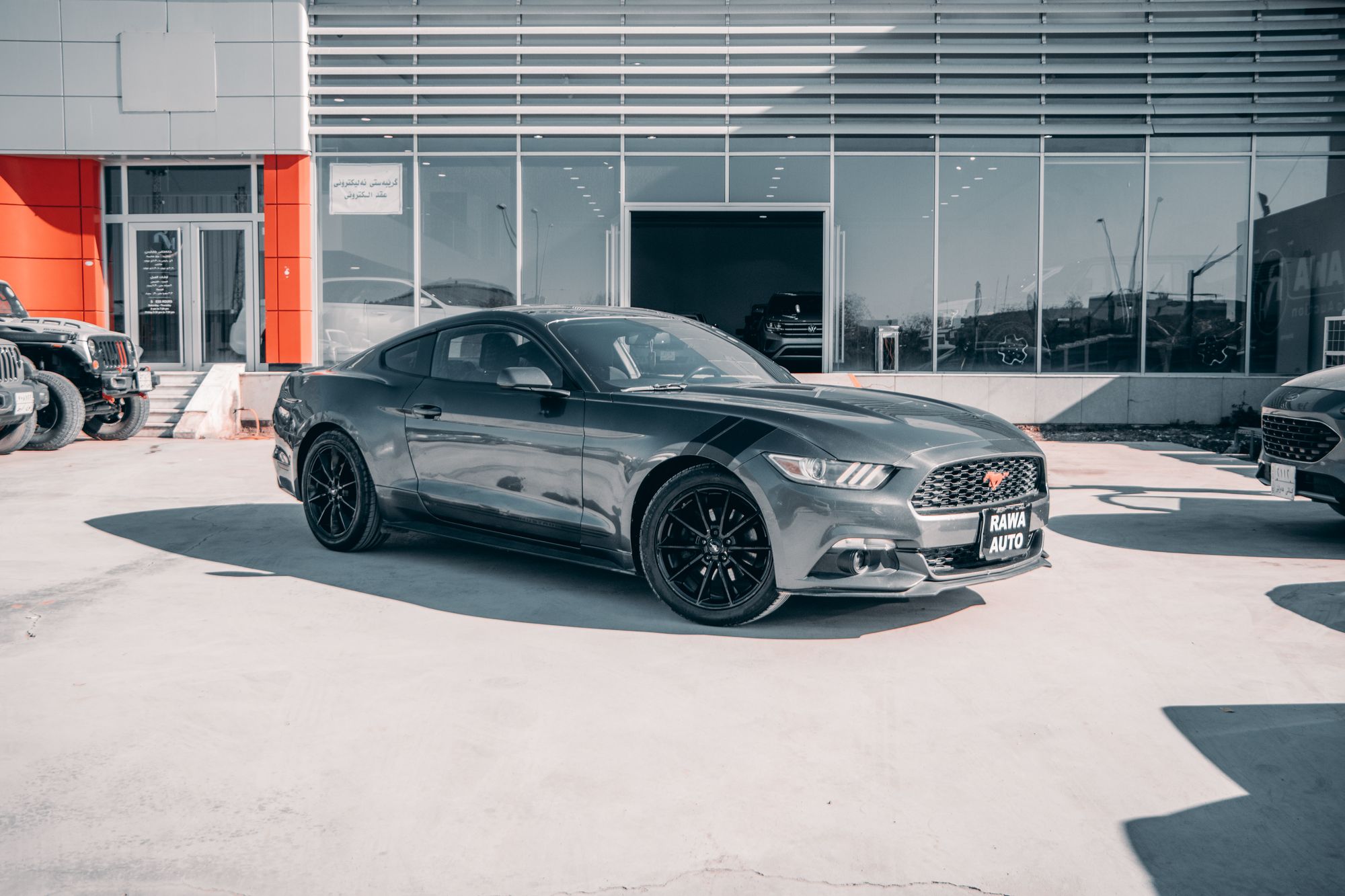
Ford’s Mustang moved 28,725 units in the first half of 2026, a 22% increase year-over-year at a time when most performance segments are either shrinking or stagnating. Against its nearest non-premium rival, the gap is roughly sevenfold. When a single model commands that kind of separation, you’re no longer looking at a competitive market in any conventional sense — you’re looking at one car that survived while nearly everything around it either exited the segment or pivoted away from its traditional formula.
Understanding why that gap exists matters as much as the gap itself, because it tells you something important about the trade-offs facing any buyer in this segment today.
Why the Competition Essentially Disappeared

The Mustang’s dominance is partly a product achievement and partly a reflection of what collapsed around it. The Chevrolet Camaro has been discontinued. The Dodge Challenger has transitioned toward the electric Charger Daytona platform, effectively ending its traditional V8 pony car chapter at any meaningful volume. Those two models were the Mustang’s longest-running domestic rivals, and both are now gone from the segment in any practical sense.
That leaves the Toyota GR86 as the Mustang’s closest surviving competitor — a genuinely excellent driver’s car, but one that operates in a fundamentally different bracket of power and purpose. The Mustang outselling every rival combined reflects a structural contraction of the segment around a single survivor as much as it reflects outright product superiority. Both things are true simultaneously, and conflating them leads to bad purchase decisions.
What You Actually Get: Mustang Trim Breakdown

The Mustang’s sales breadth makes more sense once you look at the lineup. This isn’t a one-spec sports car. There’s a genuine spectrum of performance and price, from a practical turbocharged four-cylinder to a flat-plane-crank track weapon.
- EcoBoost (2.3L turbo-four, 315 hp): Starts around $32,000. Returns roughly 21-32 mpg combined — numbers that hold up for daily use. 0-60 in approximately 5.1 seconds. The entry point that makes the Mustang financially accessible to a much wider buyer pool.
- GT (5.0L Coyote V8, 480 hp / 415 lb-ft): Starts around $42,000. Fuel economy drops to a realistic 15-24 mpg combined. 0-60 in approximately 4.2 seconds. This is the volume driver and the heart of what the Mustang’s reputation is built on.
- Dark Horse (5.0L flat-plane-crank V8, 500 hp): Starts above $60,000. A more focused, track-oriented package that pushes the Coyote’s ceiling without requiring a supercharger or a Shelby badge. Aimed at buyers who want serious track capability while staying within the nameplate.
All trims are rear-wheel drive. Both a 6-speed manual and a 10-speed automatic are available — that choice carries real implications covered below. The platform is the current S650 generation, which has absorbed a decade of real-world ownership feedback from the S550 before it. The result is a car that feels more structurally resolved than the Mustang has at any previous point in its history.
Head-to-Head: Mustang vs. Its Remaining Rivals
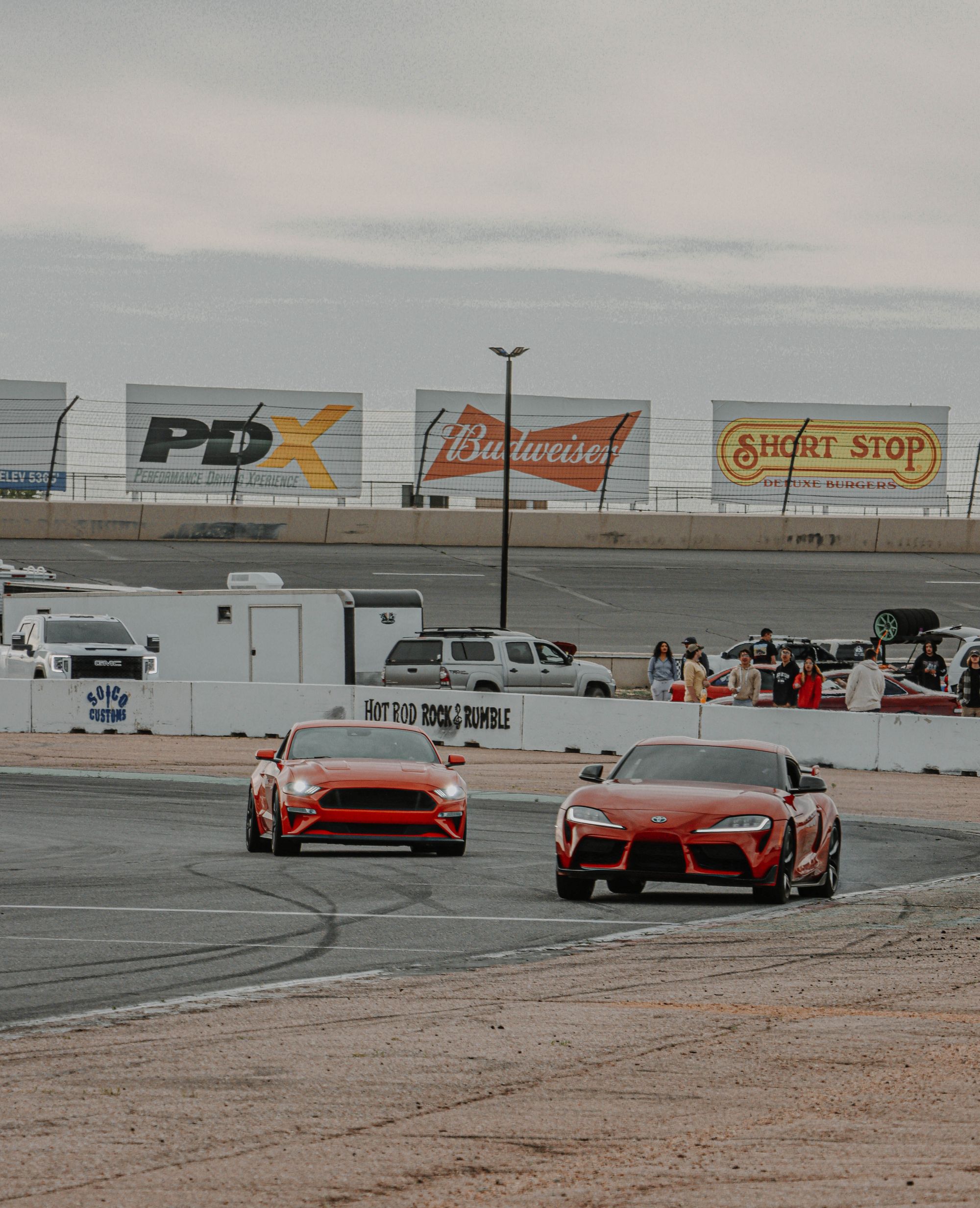
Honest comparisons require honest brackets. Here’s where the surviving competitors actually stand.
Ford Mustang vs. Toyota GR86
The GR86 starts around $30,000, weighs close to 600 pounds less than a Mustang GT, and delivers a more surgical, feedback-rich driving experience. Its 228-horsepower naturally aspirated flat-four is rev-happy and precise in a way that a heavier, more powerful car simply cannot replicate. If chassis balance and driver engagement matter more to you than outright power, the GR86 is a serious answer that deserves genuine consideration — not dismissal.
What it cannot match is the Mustang’s raw output, its V8 character, or its versatility across trims. The GR86 is exceptional at one specific thing. The Mustang serves a wider range of buyers across a wider range of use cases. Which of those is better for you depends entirely on what you’re actually going to do with the car.
Ford Mustang vs. Dodge Challenger
The outgoing Challenger R/T (375 hp, 5.7L V8, around $43,000) is referenced here for context, but it’s effectively gone from traditional volume sales as Dodge transitions to the electric Charger Daytona. The Challenger was larger, heavier, and more muscle car than sports car — but it gave buyers a genuine domestic V8 alternative with its own distinct character. That alternative no longer exists in the same form. If V8 power, rear-wheel drive, and American character are your priorities, the Mustang is currently the only viable answer at this price point.
Ford Mustang vs. Porsche 718 Cayman
The 718 Cayman starts well above $65,000 and occupies a genuinely different tier of engineering, refinement, and driving dynamics. If your budget supports it, the Cayman is exceptional. But comparing it directly to a $42,000 Mustang GT misleads more than it informs — they are not answering the same question for the same buyer. The Cayman belongs in a separate consideration set entirely.
Comparison Table: Key Specs at a Glance

| Model | Power | Engine | Starting Price | MPG (Combined) | Drive | 0-60 mph |
|---|---|---|---|---|---|---|
| Ford Mustang GT | 480 hp | 5.0L V8 | ~$42,000 | 15-24 | RWD | ~4.2 sec |
| Ford Mustang EcoBoost | 315 hp | 2.3L Turbo-4 | ~$32,000 | 21-32 | RWD | ~5.1 sec |
| Toyota GR86 | 228 hp | 2.4L Flat-4 | ~$30,000 | 27-34 | RWD | ~6.1 sec |
| Dodge Challenger R/T (outgoing) | 375 hp | 5.7L V8 | ~$43,000 | 14-23 | RWD | ~5.5 sec |
Real Trade-Offs to Know Before You Buy

The Mustang earns its sales position, but it carries genuine compromises. You should know these before signing anything.
- Interior quality: The S650 generation made meaningful progress — the 13.2-inch infotainment screen and fully digital instrument cluster are a substantial step up from the outgoing S550. That said, fit-and-finish at comparable price points still trails what you’ll find in a German or Japanese sports car. You’re buying performance per dollar, not premium refinement.
- Rear seat practicality: It exists. For adults on anything longer than a short trip, it is genuinely uncomfortable. If you regularly need to carry four people, the Mustang is the wrong answer — full stop.
- Transmission choice: The 5.0 Coyote V8 has an established durability record across multiple model generations. The 10-speed automatic has drawn consistent criticism for its behavior in performance driving situations, even as it performs acceptably in normal use. If control and engagement matter to you, spec the 6-speed manual from the outset.
- Total ownership cost: V8 models carry meaningfully higher insurance premiums than the sticker price implies, and tire wear on a 480-horsepower rear-wheel-drive car can be aggressive. Build those ongoing costs into your actual budget — not just the MSRP — before you commit.
Should the Sales Dominance Influence Your Decision?
The honest answer is yes — but not because sales volume is a proxy for product quality. The Mustang’s position as America’s best-selling sports car carries practical advantages that compound over the ownership period. A deep enthusiast community means aftermarket support no GR86 or Cayman owner can access at this price. High dealer volume typically means more negotiating leverage at purchase and greater service familiarity over time. The breadth of trims means you can configure a sensible daily driver, a weekend car, or a focused track tool without leaving the nameplate — that flexibility simply doesn’t exist in most alternatives at this price point.
At the same time, the Mustang’s dominance reflects the exit of its two biggest domestic rivals as much as it reflects being the objectively superior car for every buyer. If the GR86’s lighter, more driver-focused character genuinely fits your priorities better, a sales chart shouldn’t override that judgment. The right car is the one that matches how you actually drive, not the one that sells in the greatest volume.
For the majority of buyers who want an affordable, powerful, genuinely characterful rear-wheel-drive sports car with robust long-term support, the Mustang is the logical answer — and the sales data reflects that reality. It reached 28,725 units in six months because, right now, it’s the only car in its bracket that answers the question most buyers in this segment are actually asking.