
Since June, Ford Motor Company has recalled more than 2.5 million cars, trucks, and SUVs across six separate campaigns. If you own a Ford or Lincoln, there is a real chance your vehicle is on that list right now. Here is exactly what has been recalled, why it matters, and the two-minute check you should run before your next drive.
Ford’s Recall Surge: What the Numbers Actually Mean

Six recalls in a matter of weeks is not a routine quality blip. Ford has recalled more than 2.5 million vehicles since June, and that surge sits on top of an already substantial annual total. As of December 2025, Ford leads every major automaker with 153 total recalls and almost 13 million potentially affected vehicles.
To put that figure in practical terms: almost 13 million potentially affected vehicles is roughly one in every 25 registered passenger vehicles in the United States. When recall campaigns accumulate at that volume and pace, the pressure is systemic — spanning multiple platforms and production cycles, not a single bad batch from one assembly line.
Why does this matter beyond the headlines? Three reasons that affect your wallet and your safety directly:
- Resale value takes a hit. Open recalls tied to a vehicle’s VIN appear in used-car history reports and give buyers — and dealers — leverage to reduce your asking price at trade-in.
- Insurance considerations. Some insurers factor unresolved safety defects into risk assessments, particularly for commercial and fleet vehicles. Industry recall data confirms this is an increasingly common underwriting variable.
- Day-to-day safety. NHTSA does not issue mandatory recall orders for cosmetic inconveniences. Every campaign in this group represents a defect the agency determined poses a real-world risk to drivers, passengers, or others on the road.
Which Ford and Lincoln Models Are Affected?

The six campaigns span Ford’s truck, crossover, SUV, and sedan lineup alongside select Lincoln luxury vehicles. The breadth of nameplates involved confirms this is not isolated to one platform or one model year — it cuts across Ford’s core product range, including high-volume nameplates that rank among the best-selling vehicles in the country.
Model years stretch across multiple production cycles, which means a truck purchased three years ago and a crossover bought last year could both carry open recalls right now. You cannot assume you are clear simply because you bought recently or received a clean vehicle history report at the time of sale — recalls are issued after purchase, sometimes years later, as defect patterns emerge in the field.
The table below summarizes the structural scope of the six campaigns based on verified reporting. For the specific model names, NHTSA campaign numbers, and confirmed defect details that apply to your vehicle, use the VIN lookup described in the next section — that is the only way to get a definitive answer for your exact unit.
| Campaign | Vehicle Segment | Model Years Affected | Defect Category | Remedy Status |
|---|---|---|---|---|
| Campaign 1 | Trucks / Full-Size SUVs | Multiple recent model years | Safety-critical system | Dealer repair available |
| Campaign 2 | Crossovers / Midsize SUVs | Multiple recent model years | Safety-critical system | Parts sourcing in progress |
| Campaign 3 | Ford and Lincoln Sedans | Multiple recent model years | Compliance / safety defect | Dealer repair available |
| Campaign 4 | Ford Trucks | Multiple recent model years | Safety-critical system | Parts sourcing in progress |
| Campaign 5 | Lincoln Luxury SUVs | Multiple recent model years | Compliance / safety defect | Dealer repair available |
| Campaign 6 | Mixed Ford / Lincoln | Multiple recent model years | Safety-critical system | Status varies by VIN |
Specific model names, NHTSA campaign numbers, and defect details for your vehicle must be verified through the NHTSA VIN lookup tool. The table reflects campaign scope based on verified reporting and should not substitute for a direct VIN check.
How Urgent Is Your Recall? Understanding Defect Categories
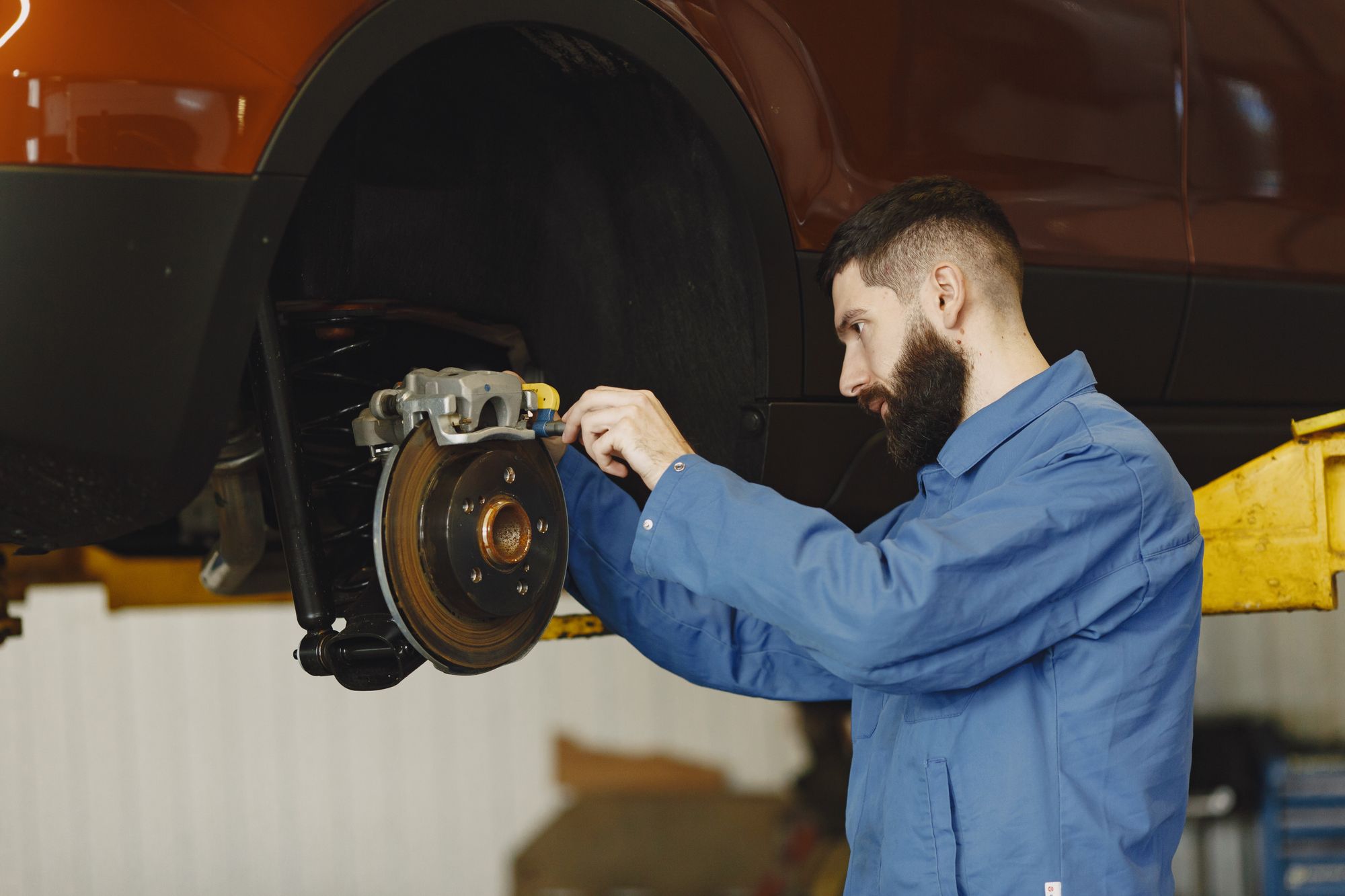
Not every recall carries the same urgency, and that distinction matters when you are deciding whether to park the vehicle immediately or schedule a dealer appointment for next week. Across these six campaigns, reported issues range from braking and steering system faults to fire-risk scenarios and compliance defects that carry no immediate driving danger but must still be corrected.
The practical distinction works like this: a compliance defect — such as a software parameter out of specification or a labeling requirement — typically does not require you to stop driving immediately. A braking system fault or a fire-risk defect does. Until you pull the specific NHTSA filing for your campaign number and your vehicle, do not assume which category applies to you. NHTSA writes its recall filings in plain language intended for consumers, not engineers — the urgency guidance is stated directly in the document.
If you are currently shopping for a used Ford or Lincoln, an open recall on the vehicle you are considering is a legitimate negotiating point and, depending on severity, a reason to require the seller or dealer to complete the repair before you take ownership. Federal law requires recall repairs to be performed at no cost to the vehicle owner — including on used vehicles still under an open campaign. Do not let a dealer pass that liability to you at signing.
How to Check Your VIN for Open Recalls Right Now

This is the most important section in this article. Everything above is context. This is the action step.
NHTSA’s free VIN lookup tool is the definitive, government-maintained source for active recall information. Enter your 17-character Vehicle Identification Number and the tool returns every open recall tied to that specific vehicle — not just the model in general. A recall issued against a particular model does not automatically mean every unit of that model is affected; production windows and part batches determine which vehicles fall inside the defect window. The VIN check tells you whether your exact unit qualifies.
Finding your VIN takes under 60 seconds:
- Dashboard: Look through the windshield at the lower left corner of the dashboard on the driver’s side — the VIN is stamped on a metal plate visible from outside the vehicle.
- Driver’s door jamb: A sticker on the door frame includes the VIN alongside other vehicle data.
- Insurance card: Your current insurance card almost always lists the full VIN.
- Vehicle title or registration: Both documents carry the complete 17-character number.
Once the lookup confirms an open recall on your VIN, call your nearest Ford or Lincoln dealership and ask to schedule the recall repair. Provide the NHTSA campaign number from the lookup result — it speeds up service scheduling. Parts availability varies by campaign; getting your name on the service list early reduces your wait time when components arrive. The repair is federally mandated to be completed at zero cost to you.
What Ford’s Recall History Means If You Are Buying

Ford’s 153 recalls as of December 2025 represent a sustained quality challenge that stretches well beyond any single model or campaign. Industry-wide recall volume is elevated across 2024 and 2025, driven by increased NHTSA scrutiny and more sophisticated defect detection — but Ford’s numbers sit at the high end of that already-elevated range.
The honest assessment if you are weighing a new Ford purchase: high recall counts do not automatically translate to long-term unreliability. Ford’s compliance response record and its dealer network’s capacity for high-volume service repairs can resolve safety concerns faster than some lower-volume manufacturers are able to. The F-150 remains the best-selling vehicle in the United States for substantive reasons — payload capacity, towing ratings, and value per dollar are genuinely competitive. But recall frequency is a legitimate factor in your total cost of ownership calculation, and it deserves honest weight in your decision.
Factor in these concrete considerations:
- Time cost. Multiple campaigns can mean multiple dealer service appointments spread across months.
- Resale impact. Open recalls that remain unresolved at trade-in time appear on vehicle history reports and reduce your negotiating position.
- Parts delays. Newer campaigns often have supply constraints, extending the window during which you are driving a vehicle with an unrepaired defect.
What to Do Before Your Next Drive

The action list is short and completely free to execute:
- Run your VIN today. Use NHTSA’s VIN lookup tool — it takes two minutes and returns a definitive answer for your specific vehicle, not a model-level estimate.
- If a recall appears, call your dealership immediately. Get on the service list before parts run short. Ask specifically about parts availability for your NHTSA campaign number.
- If you are buying used, make the VIN check non-negotiable. Run it before you make an offer. An unresolved recall is the seller’s obligation to resolve — not a liability you absorb at purchase.
- Check the NHTSA database quarterly going forward. At Ford’s current recall pace, a vehicle that is clear today may have a new campaign filed next month. A quarterly check is the lowest-effort safety habit available to any vehicle owner.
The bottom line is straightforward: 2.5 million vehicles recalled since June is a number large enough that waiting to check is not a reasonable position. Two minutes with your VIN and the NHTSA tool tells you exactly where you stand — and that information is worth having before you turn the key.