
Honda’s US sales are climbing through 2025-2026, its North American factories are running at 85-90% capacity, and the automaker is openly considering an eighth assembly plant in North America — a combination that directly affects the price you’ll pay and the wait you’ll endure at a Honda dealership right now.
Honda Is Selling More Cars Than It Can Comfortably Build

Think of a factory running at 85-90% utilization the way you’d think of a restaurant that’s almost always full: great for the business, genuinely frustrating if you’re trying to get a table on short notice. The Accord posted its best July sales since 2019, and that’s not a fleet-padding number — the Accord is built in Marysville, Ohio, and sold almost entirely to retail buyers. That kind of demand is real, and it’s putting pressure across Honda’s entire North American production network.
When a factory runs this hot, automakers face three choices: raise prices, stretch lead times, or build more capacity. Honda appears to be seriously weighing the third option. The central question for you as a buyer is straightforward — if Honda breaks ground on a new North American plant, what does that actually mean for the price on the window sticker and the number of weeks you wait for delivery?
The Numbers Behind the Surge

Honda’s growth isn’t a one-model story. The Accord is the headline, but pipeline pressure is running across the CR-V, Pilot, and Ridgeline as well. That matters because each of those models competes in high-volume segments where inventory levels set the tone for how aggressively dealers negotiate.
North America is Honda’s single most important market, representing roughly 40% of the company’s global sales. Decisions made here — on pricing, on capacity, on which models get priority production slots — ripple through Honda’s entire financial picture. More than 60% of Honda vehicles sold in the US in 2025 were assembled domestically, which means production capacity isn’t an abstract corporate talking point. It’s directly tied to what your local dealer has on the lot.
The buyer-facing reality: tight inventory and high factory utilization historically correlate with fewer discounts and longer wait times. The environment of a few years ago when Honda deals were easiest to find has passed. You are not in that environment right now.
Inside Honda’s North American Manufacturing Footprint
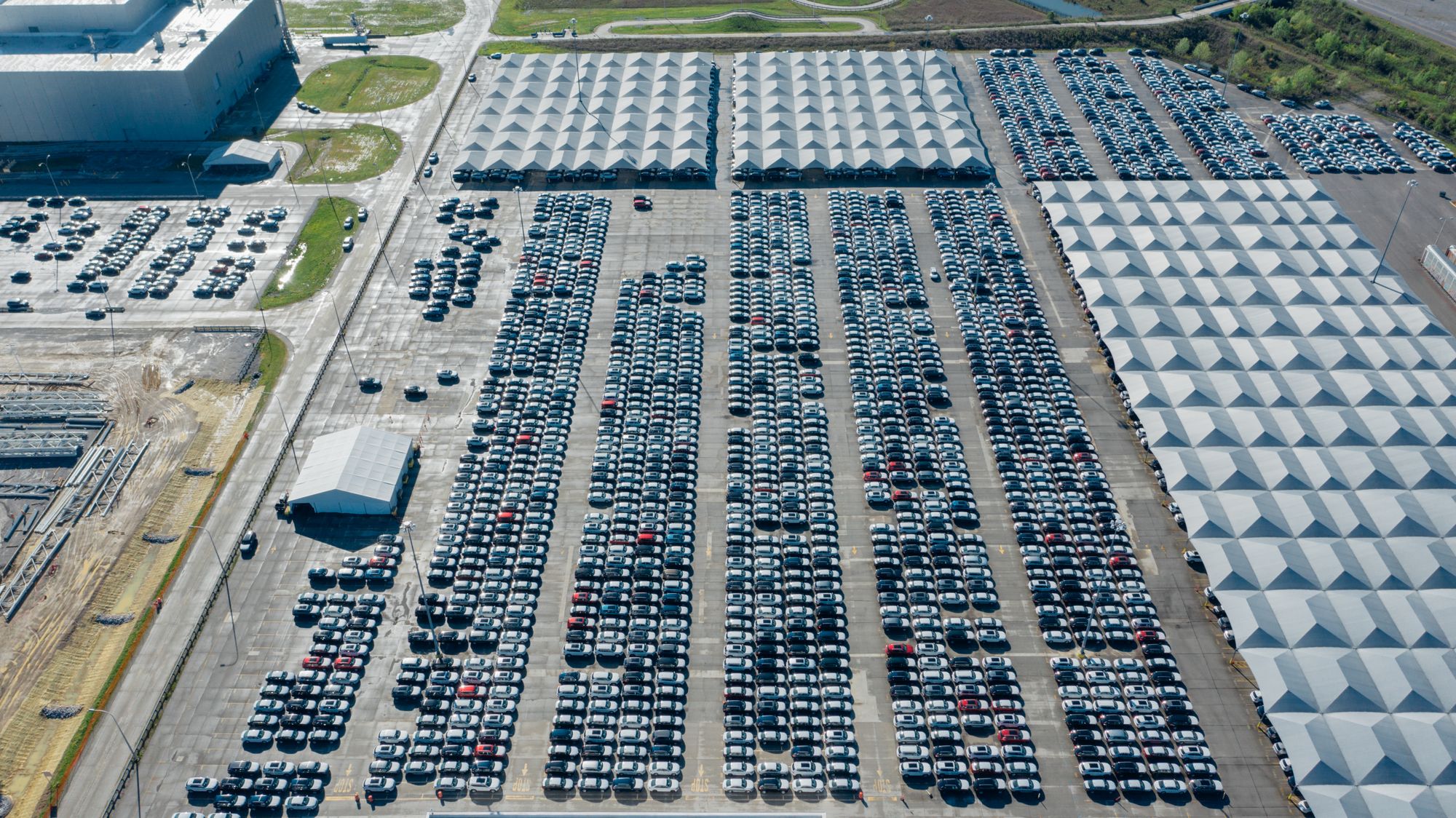
Honda’s North American operations are anchored in Marysville, Ohio, which has served as the hub of Honda’s US manufacturing strategy since 1982. The company currently runs seven assembly plants across the continent. A potential eighth would be the first major capacity addition in years — a signal that Honda sees sustained demand, not a temporary spike.
Running at 85-90% utilization sounds healthy on a spreadsheet. In manufacturing terms, it leaves almost no buffer for demand surges, supply disruptions, or new model launches. If Honda wants to add a model to the lineup or respond quickly to a competitor’s move, there is no slack in the system to absorb it without something else giving way.
Honda’s Key US Assembly Plants: A Reference Snapshot
| Plant Location | Primary Models Built | Approximate Annual Capacity | Estimated Utilization |
|---|---|---|---|
| Marysville, Ohio | Accord, CR-V | ~240,000 units | 85-90% |
| Lincoln, Alabama | Odyssey, Passport, Pilot, Ridgeline | ~340,000 units | 85-90% |
| Greensburg, Indiana | CR-V | ~200,000 units | 85-90% |
One practical constraint worth understanding: building a new plant takes a minimum of three to five years from decision to first vehicle off the line. Any capacity relief for today’s buyer is measured in years, not months. Honda’s engine and transmission plants in Ohio feed multiple assembly lines simultaneously, so a new assembly plant would almost certainly require parallel drivetrain capacity investments — adding both cost and complexity to an already long timeline.
The Tariff Factor: Why US Production Is Now a Business Imperative
US tariffs on imported vehicles have sharpened Honda’s incentive to shift more production stateside in a way that goes well beyond optics. Honda’s CEO has publicly raised the possibility of a new North American facility — language that signals this conversation has moved past internal rumor and into serious planning territory.
A new US plant is not simply about adding volume. It is about insulating the lineup from import cost volatility. For you as a buyer, more US-built inventory theoretically means Honda absorbs fewer tariff-related cost pressures and passes fewer price increases downstream. That is a structural advantage, not a guarantee, and one that takes years to fully materialize.
The honest caveat: Honda still imports models including the Civic hatchback from Mexico and certain trims from other facilities. A new US plant could shift that calculus, but nothing is confirmed. Do not let the possibility of a new plant influence a purchase decision you are making this year.
What a New Plant Could Mean for Prices, Availability, and Wait Times

Honda’s sales growth and its capacity constraints are now closely linked in the automaker’s strategic planning. More capacity means more inventory, and more inventory means more negotiating leverage on your side of the table. The historical pattern is consistent: when Honda’s plants ran at lower utilization rates, dealers moved product with incentives. At 85-90%, the math runs the other way.
A US-based plant also reduces exposure to currency swings and cross-border tariffs — two of the biggest hidden drivers of mid-cycle price increases on imported trims. A model built in Ohio and sold in Ohio carries a fundamentally simpler cost structure than one shipped across a border with tariff exposure baked in at every step.
The timeline caveat matters: even an announced plant will not produce vehicles before 2028-2029 at the absolute earliest. Near-term pricing pressure is unlikely to ease on the basis of a new plant announcement alone. If you are shopping for a Honda in the next 12 months, benchmark current transaction prices carefully against MSRP. The current capacity environment makes dealer markups more likely than incentives on popular trims.
The Marysville Accord as a Proof of Concept
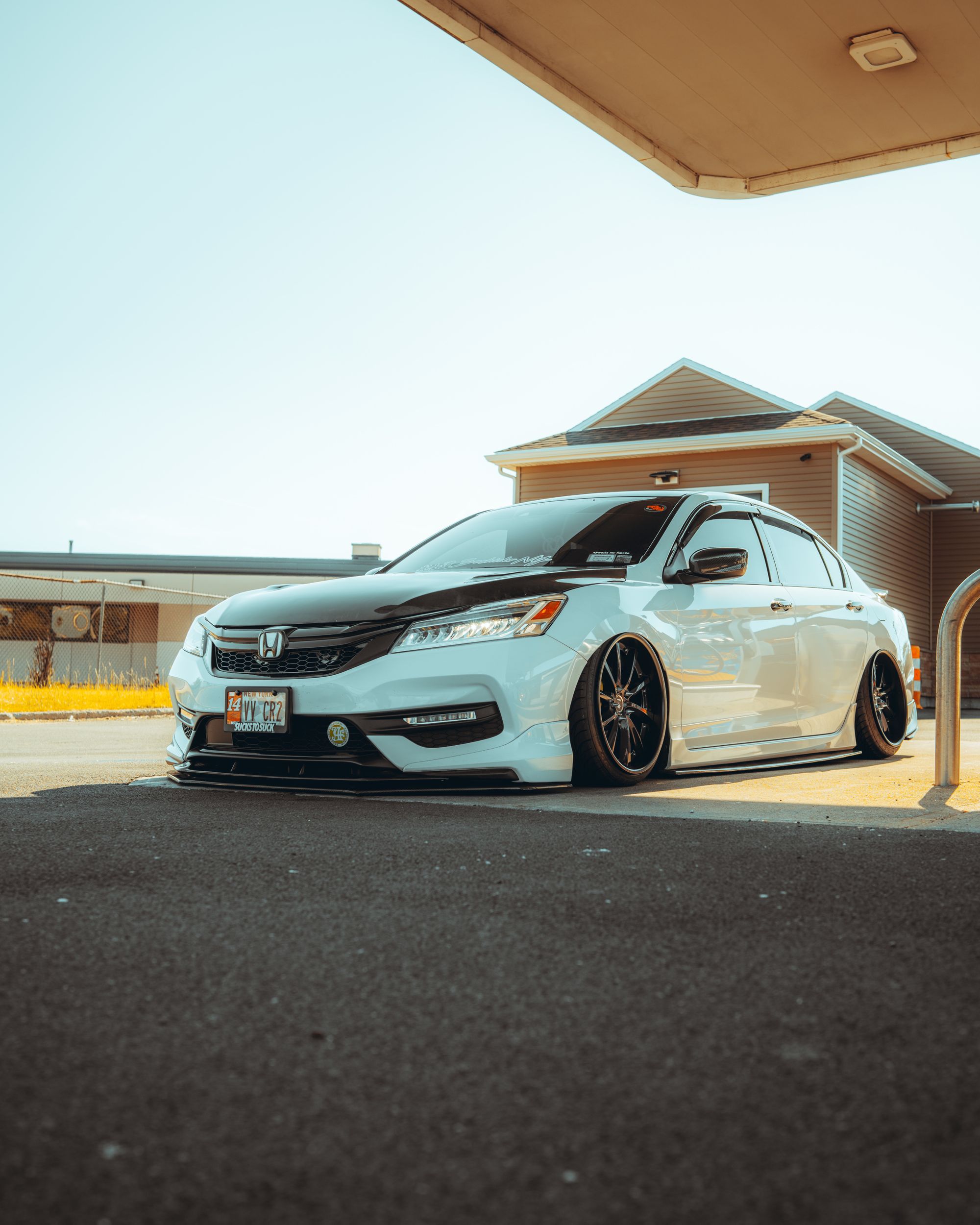
The Accord built in Marysville is worth examining on its own terms. It is a US-built, US-sold vehicle with strong resale value, consistent reliability scores, and now its best July sales since 2019. In a tariff environment that raises costs on imported competitors, the Accord’s domestic manufacturing origin becomes a structural pricing asset — not just a patriotic footnote. That is a real differentiator worth factoring into a comparison against imported rivals in the same segment.
Honda also has an established track record of expanding its North American footprint when demand justifies it. The Marysville plant opened in 1982. Lincoln, Alabama followed years later. Greensburg, Indiana came after that. Each expansion was a response to sustained demand — exactly the pattern visible in Honda’s current sales data.
Should the Possibility of a New Plant Change How You Buy Now?
If you are buying in the next 12 months, the answer is no. A potential new plant is irrelevant to your transaction. Shop based on current inventory levels, current interest rates, and current resale trajectory. The factory question does not change what is on the lot today.
If you are a Honda loyalist planning a purchase in 2027-2028, watch for a plant announcement as a signal that inventory conditions may improve and negotiating power could shift back to buyers. A confirmed site selection and a confirmed groundbreaking date would be the concrete markers worth tracking — not a CEO comment or a planning document.
The bottom line is direct: Honda’s US manufacturing commitment is genuinely stronger than most mainstream brands at this price point, but “considering a plant” is not the same as “breaking ground.” Hold the enthusiasm until there is a site and a date. Honda’s sales surge is real. The capacity pressure is real. The tariff math is real. The new plant question is the piece that ties all three together — and if you plan to buy or lease a Honda at any point in the next decade, it is worth keeping on your radar.