
Few modern sports cars inspire the kind of heated dinner-table arguments that the Nissan Z does — and fewer still manage to provoke those arguments from the very drivers who love it most. The twin-turbocharged V-6 sitting under that long, sculpted hood is simultaneously the Z’s greatest achievement and its most debated design choice, and understanding why tells you almost everything you need to know before writing a check.
55 Years of Z: What the Nameplate Actually Means

Nissan has been building Z-cars since 1969, and for most of that time the formula has stayed remarkably consistent: striking looks, genuine performance, dependable reliability, and a price that didn’t require a second mortgage. That combination built something rarer than a fast car — it built generational loyalty. Buyers who grew up pinning 240Z posters to their bedroom walls eventually saved up for a 350Z. Their kids now cross-shop the current RZ34 generation.
That kind of inherited identity is a real force in a purchase decision, and it raises the stakes considerably for each new generation. The 370Z, the RZ34’s immediate predecessor, held the naturally aspirated torch for over a decade and earned a devoted following through its directness and driver focus. When Nissan finally replaced it with the current car, it brought the biggest mechanical shift in the Z’s modern history: out went the high-revving naturally aspirated V-6, and in came a twin-turbocharged unit that changed the character of the car in ways both exciting and contentious.
The Engine at the Center of Everything: 400 HP, 350 lb-ft, One Transmission Choice

The numbers are genuinely impressive. The Nissan Z produces 400 horsepower and 350 pound-feet of torque from a twin-turbocharged 3.0-liter V-6 engine. The NISMO variant — the sharpest tool in the lineup — reaches 60 mph from a standstill in approximately 3.9 seconds, placing it in territory that would have been called supercar-adjacent not long ago.
Context matters here. The 370Z that the RZ34 replaced produced 332 horsepower. On paper, the new car represents a clear and substantial generational leap. But the numbers only partially explain the enthusiasm surrounding this powertrain.
What really fires up the sports car community is what the Z represents culturally. As CarBuzz has reported, the Nissan Z stands as one of the last remaining manual-transmission, twin-turbo V-6 sports cars available for purchase new in the United States. That combination — forced induction paired with a proper six-speed stick shift — is one that most automakers have quietly walked away from as they chase efficiency targets and broader market appeal. The Z’s refusal to follow that trend gives it a defiant, almost contrary appeal that resonates strongly with enthusiasts who feel the rest of the industry has abandoned them.
It is worth noting that the automatic transmission option was dropped for the 2026 model year, making the six-speed manual the only gearbox available. For committed driving purists that is cause for celebration. For buyers who commute in heavy traffic, it is a practical consideration that deserves honest thought before visiting a showroom.
The Controversy: Where the Twin-Turbo Formula Creates Real Problems

For all the excitement the powertrain generates, it has also opened the door to criticism that serious buyers deserve to hear plainly.
The most consistent complaint from reviewers and owners alike is weight. The Z carries more mass than many expect from a sports car at this price point, and that heft blunts the impact of those 400 horsepower in ways that become apparent the moment the road turns twisty. A fast car and an engaging car are not always the same thing, and the Z’s dynamics sometimes fall on the wrong side of that line.
Handling feedback compounds the issue. The chassis tuning has been described by multiple reviewers as softer than the engine’s character suggests it should be, creating a disconnect between what the powertrain promises and what the suspension delivers. Drivers who arrive expecting Porsche-grade precision will find themselves adjusting expectations.
Then there is the nature of forced induction itself. Where the 370Z’s naturally aspirated V-6 built power in a linear, predictable pull that rewarded careful throttle management, the RZ34’s twin-turbo setup introduces a different personality — one that some purists find less satisfying at partial throttle and in slower, technical corners. This is not a flaw so much as a fundamental difference in character, but it is a difference worth understanding before buying.
Owner communities have also surfaced practical frustrations beyond the driving dynamics. Delivery wait times in high-demand markets, occasional fit-and-finish inconsistencies, and dealer markup pressure above the advertised MSRP are real-world friction points that belong in any honest conversation about this car. Prospective buyers should research regional dealer behavior carefully and treat the sticker price as a floor rather than a ceiling.
How the Z Stacks Up Against Its Own Legacy
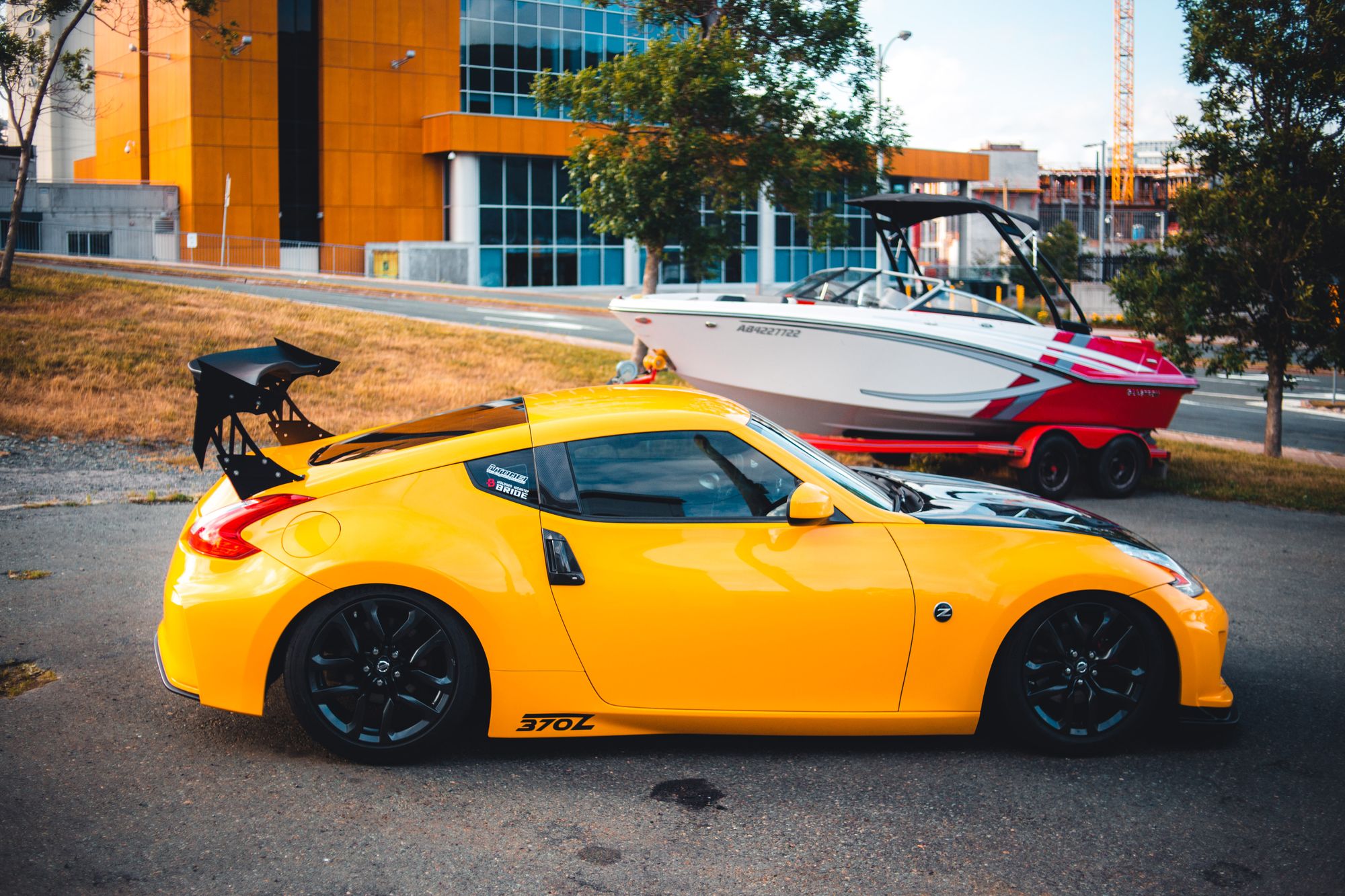
Comparing the RZ34 to the 370Z is both unavoidable and genuinely useful. The new car makes 68 more horsepower — a meaningful improvement — but the 370Z was lighter and, to many drivers, felt sharper and more communicative despite its lower output. That trade-off is not inherently a problem; it reflects a deliberate shift in what Nissan wanted the Z to be.
Nostalgia, however, does not care about deliberate engineering shifts. A meaningful segment of potential buyers will always measure the current car against the version they grew up wanting, and the RZ34 will occasionally come up short in that comparison simply because it is a different machine with different priorities. Acknowledging that honestly is not a knock on the new car — it is context that every serious buyer deserves before committing.
Owner perspectives from active communities, including real-world discussions among Z owners, reinforce this picture: the car rewards drivers who accept it on its own terms rather than those who arrive expecting a direct spiritual successor to earlier generations.
Reliability and Real-World Ownership: What Buyers Should Actually Budget For
The Z nameplate has historically carried a strong reliability reputation, and that track record is a genuine part of why the car attracts buyers who might otherwise spend more on a European alternative. Nissan’s engineering culture around this platform has generally rewarded owners with dependable long-term service.
The twin-turbo powertrain in the RZ34, however, is a relatively recent application, and long-term reliability data is still accumulating in meaningful quantities. Turbocharged engines introduce additional complexity — more components under sustained heat load, greater sensitivity to oil change intervals, and turbocharger-specific maintenance considerations — compared to the naturally aspirated units they replace. That is not cause for alarm, but it is reason for diligence. Prospective buyers should factor in total cost of ownership, including maintenance, insurance, and the very real possibility of above-sticker purchase prices in constrained markets, rather than anchoring solely on the base MSRP.
With a starting price around $55,910 for the standard Sport trim, the Z is not an impulse buy. The NISMO variant carries a considerably higher price. Buyers should arrive at dealerships informed, patient, and prepared to walk away if market-adjustment fees push the transaction into territory that no longer represents fair value.
Verdict: Who Should Buy the Nissan Z — and Who Probably Shouldn’t

The Nissan Z is the right car for a specific kind of driver: someone who values drama, tactile engagement, and the feeling of piloting something genuinely rare on American roads. The twin-turbo V-6 and the six-speed manual together create an experience that no other new car on the market replicates in quite this combination. If standing out matters, if the act of driving matters more than the lap time, and if a manual gearbox is non-negotiable, the Z earns its asking price.
It is the wrong car for buyers who arrive expecting the razor-edged precision of a Porsche Cayman or the featherweight playfulness of a Toyota GR86. Those cars prioritize different values, and at overlapping price points, the comparison will sometimes favor the competition on dynamics alone.
What no competitor can replicate is the Z’s specific combination of heritage, powertrain character, transmission choice, and cultural weight. No other new car in America bundles those elements into a single package at anywhere near this price point — and with the automatic option now gone and the broader industry accelerating toward electrification, the window to buy a new turbocharged, manual-gearbox sports car from a major manufacturer at this price may be closing faster than most buyers realize.
At around $55,910 and rising, the question worth sitting with is whether the Nissan Z represents the last of a genuinely endangered species worth celebrating on its own terms — or a car that needs to evolve faster than Nissan has allowed it to. Either way, the argument, much like the engine, shows no sign of running out of fuel.