3. Too Heavy

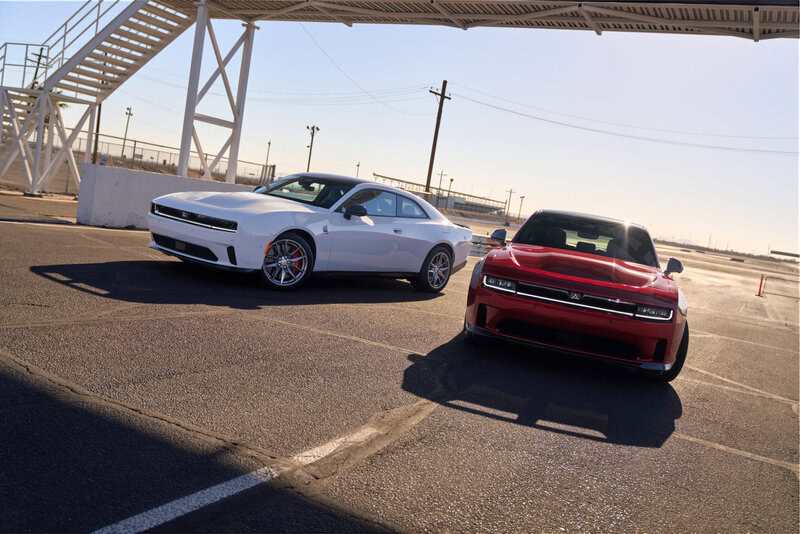
Electric vehicles often carry a significant weight penalty due to battery packs, and the Charger EV was no exception. Tipping the scales at over 5,000 pounds—far heavier than its ICE‐powered predecessors—it struggled to replicate the nimble handling that once defined Charger performance. That extra mass translated into sluggish turn‐in, increased brake fade, and less communicative steering feel.

Even with adaptive suspension and torque vectoring, the sheer bulk diluted the Charger’s dynamic essence. While instant EV torque offered quick launches, the car’s mass became painfully obvious mid‐corner. A true performance sedan should feel lithe, but the Charger EV felt burdensome—reminding drivers that in performance cars, weight is the enemy of engagement.