
A city in western Missouri just did something most major American metros haven’t gotten around to yet — it put electric vehicle safety rules directly into law, in plain language, with real enforcement teeth. If you own an EV or are about to buy one, what Harrisonville, Missouri did quietly matters loudly to your wallet, your home charging setup, and your liability exposure.
The Small-City Rule Every EV Owner Should Know About

The Harrisonville, Missouri City Council approved code updates that provide explicit legal clarity around electric vehicle usage within city limits — covering how EVs can be operated, charged, and parked inside the municipality. That might sound like routine local governance. It isn’t. Most U.S. cities, including many far larger than Harrisonville, still operate without a dedicated city EV use code. They rely on patchwork state guidance, outdated electrical codes, and fire department protocols that were written before lithium-ion battery packs became a driveway fixture.
This is not a fringe ordinance dreamed up by an unusually forward-thinking council. It reflects a growing national pattern: municipalities stepping in to fill the regulatory gaps that federal incentive programs and state emissions mandates leave wide open. Federal rules tell automakers what to build. State rules tell utilities how to price power. Local codes tell you what happens in your garage, your parking lot, and your HOA — and that is where EV ownership actually lives.
What Harrisonville’s EV Code Actually Does
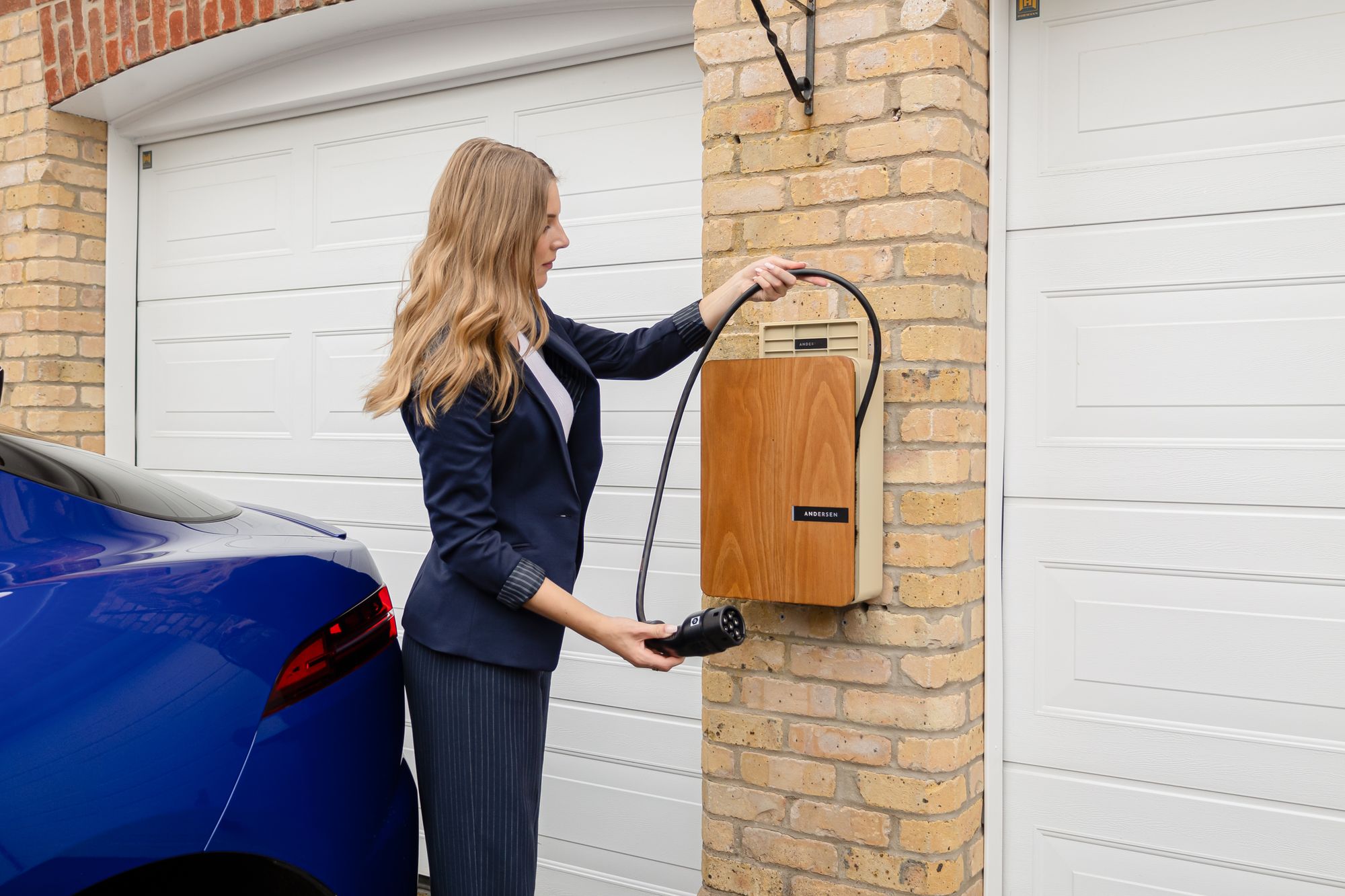
The council-approved updates address ambiguities that previously left both EV owners and city code enforcement officers without a clear rulebook. Before a formal electric vehicle safety code exists in a city, you get gray zones: a fire marshal who is not sure whether overnight charging in an attached garage violates any ordinance, a building inspector who does not know what circuit standard to apply to a Level 2 charger installation, and a homeowner who has no documented compliance baseline to hand an insurance company after an incident.
Harrisonville’s approach structures EV provisions to align with existing fire safety and electrical code standards rather than creating new frameworks from scratch. It plugs EV-specific language into the existing regulatory structure so enforcement officers have specific, actionable standards rather than educated guesses. For the owner, that translates into a clear compliance checklist: what is required, what is permitted, and where you stand legally.
The residential charging provisions carry particular significance. EV charging rules at the municipal level typically govern outlet type — Level 1 standard outlet versus Level 2 at 240 volts — dedicated circuit requirements, and the permit threshold that determines whether an installation requires a licensed electrician and a formal inspection sign-off. Those are not bureaucratic details. They are the difference between a charging setup your insurer will cover and one they will disclaim after a fire.
Why Local EV Codes Matter More Than Federal Headlines

Federal EV incentives — tax credits, charging infrastructure grants — get the coverage. State emissions rules make news when another state adopts California’s vehicle standards. But neither of those things determines where your Level 2 charger goes, whether your landlord has to accommodate it, or what your homeowner’s policy says about charging-related damage. Local electric vehicle ordinances do.
EV-related fires are statistically less frequent than internal combustion engine fires on a per-vehicle-mile basis, but they are significantly more resource-intensive to extinguish, a reality that has pushed fire marshals and city planners across the country to demand clearer local rules. The liability math is straightforward: without a formal city use code, if a charging-related incident occurs at your home or in a commercial lot, liability can fall entirely on you — the homeowner or business operator — with no municipal standard to reference in your defense or your insurer’s calculus.
There is also an economic argument for local EV safety codes that goes beyond individual liability. Cities that establish clear, enforceable EV rules become more attractive to charging network operators scouting installation sites, to EV-friendly employers making relocation decisions, and to buyers specifically seeking EV-ready housing. Harrisonville is a small city, but the signal it sends to the broader market is not small.
The National Trend: Cities Are Moving Faster Than States

Harrisonville is not alone, and it will not be unusual for long. Dozens of U.S. cities and counties have begun drafting or passing local electric vehicle ordinances targeting charging safety, parking allocation, and grid load management. Cities in California led early adoption of EV parking code requirements, mandating dedicated EV spaces and minimum charger-ready conduit in new commercial and residential construction. Colorado municipalities have followed. Mid-Atlantic corridor cities have added EV infrastructure standards to updated building codes.
What distinguishes Harrisonville’s approach is the method: embedding EV rules directly into the existing city use code rather than creating a standalone EV policy document that sits outside the normal enforcement structure. Standalone policies are easier to ignore. Code provisions are not. Building inspectors enforce code. Permitting offices reference code. Courts adjudicate disputes by code. By writing EV safety rules into the use code itself, Harrisonville gives those rules real administrative weight — they are not advisory guidance but enforceable municipal law.
The broader pattern is consistent: federal standards set the floor, states add compliance layers, and cities fill the last-mile gaps that actually affect your driveway. If your city does not have a formal EV code today, the trajectory of municipal regulation suggests it will within the next several years. Early clarity is always less disruptive than retroactive enforcement against installations put in without any municipal standard in place.
EV Code Requirements at a Glance: What Cities Are Regulating

| Regulation Area | What Local Codes Typically Address | Why It Matters to You |
|---|---|---|
| Home Charging Installation | Permit requirements, dedicated circuit sizing, GFCI protection standards | Affects installation cost, contractor accountability, and homeowner’s insurance validity |
| Parking Designation | Minimum EV spaces in new lots, signage standards, ICE vehicle exclusion rules | Determines where you can legally charge in public and what enforcement exists |
| Fire Safety Clearance | Minimum distance from structures for charging stations, overnight charging protocols | Reduces liability exposure and flags insurers watch for in policy language |
| Grid Load Management | Time-of-use charging guidance, smart charger requirements in some codes | Can directly affect your electricity rate tier and optimal charging schedule |
Three Steps EV Owners Should Take Right Now

First, contact your city or county planning department and ask directly whether a formal EV use code or electric vehicle safety code is currently in effect. Do not assume the answer is yes or no. Request confirmation in writing if possible — that documentation is useful if a compliance question ever comes up with a contractor, an insurer, or a future buyer of your home.
Second, if you are installing a home charger, pull the permit — even if a contractor tells you it is not required for your specific setup. A permitted Level 2 charger installation creates a paper trail that protects you legally, preserves your homeowner’s insurance coverage, and keeps equipment warranty terms intact. An unpermitted install that saves a few hundred dollars today can produce a claim denial when it matters most.
Third, if you are in the market for a home and you own or plan to own an EV, treat the local EV ordinance status the same way you treat school district ratings or flood zone designations. It is material information. Any existing charging setup in a home you are considering should be verified as permitted. An unpermitted install is a negotiation point at minimum and a dealbreaker at maximum, because it becomes your liability the moment you close.
Harrisonville’s move is practical governance doing what practical governance is supposed to do: giving residents and businesses a clear, enforceable standard before problems accumulate rather than after. The EV market is not slowing down. The charging infrastructure buildout is not slowing down. The only thing that has moved slowly is local regulatory clarity — and that gap is closing, one city use code at a time.