
When the McLaren 720S launched in 2017, something quietly telling happened in Ferrari showrooms: 488 owners started calling their dealers — not to buy a 720S, but to find out what their cars were worth on trade. That reaction tells you almost everything you need to know about what McLaren built.
The Supercar That Changed the Conversation

The 720S earned its reputation through numbers rather than marketing, and those numbers have only become more compelling as used prices have dropped significantly. According to CarBuzz, you can now buy a used 720S for less than the price of a new Chevrolet Corvette ZR1X — a pricing reality that reshapes the entire value argument. What follows is not cheerleading. It is specs, trade-offs, and an honest verdict on whether the 720S still makes sense to buy.
McLaren 720S Specs: What You Are Actually Getting

The 720S is built around a 4.0-liter twin-turbocharged V8 producing 710 horsepower and 568 lb-ft of torque. Every engine is hand-assembled at McLaren’s Production Centre in Woking, England — not on a conventional factory line. That distinction matters less as a prestige talking point and more as a quality-control reality when you are buying used and assessing build consistency.
The performance figures are where the conversation begins. The 720S covers 0-60 mph in 2.8 seconds and 0-124 mph in 7.8 seconds, with a top speed of 212 mph. Those are not estimates padded for press releases — independent testing has consistently confirmed them. The architecture behind those numbers is the carbon fiber MonoCell II chassis, which holds curb weight to just 2,828 lbs dry. In a segment where rivals frequently exceed 3,300 lbs, that weight advantage compounds across every dynamic situation: acceleration, braking, corner entry, and mid-corner composure.
| Specification | McLaren 720S |
|---|---|
| Engine | 4.0L twin-turbo V8 |
| Horsepower | 710 hp |
| Torque | 568 lb-ft |
| 0-60 mph | 2.8 seconds |
| 0-124 mph | 7.8 seconds |
| Top Speed | 212 mph |
| Dry Weight | 2,828 lbs |
| Gearbox | 7-speed SSG dual-clutch |
| Drivetrain | Rear-wheel drive |
Two body styles are available: the Coupe and the Spider, which uses a retractable hardtop rather than a folding fabric roof. The Spider adds only modest weight, preserving performance figures close enough to the Coupe’s that the choice between them becomes almost entirely personal rather than performance-driven.
McLaren 720S vs Ferrari 488 GTB: The Comparison That Still Matters

The Ferrari 488 GTB was the segment benchmark when the 720S arrived. The comparison remains relevant because the used market frequently prices them in similar territory, and understanding where each car wins clarifies which one you are actually buying.
| Specification | McLaren 720S | Ferrari 488 GTB |
|---|---|---|
| Horsepower | 710 hp | 661 hp |
| 0-60 mph | 2.8 sec | 3.0 sec |
| Top Speed | 212 mph | 205 mph |
| Dry Weight | 2,828 lbs | approx. 3,042 lbs |
| Original MSRP (approx.) | $284,000 | $245,000 |
The 720S wins decisively on straight-line performance, chassis weight, and dynamic versatility. Its Proactive Chassis Control II suspension system is a genuine engineering achievement — it allows the car to behave like a compliant grand tourer on public roads and a focused track tool in Sport or Track mode, without requiring a suspension compromise in either direction.
Where the Ferrari responds is harder to quantify but impossible to dismiss. The 488’s exhaust character, steering tactility, and the accumulated emotional weight of the Ferrari badge all matter to a specific kind of buyer. If those things matter to you, acknowledge it before you purchase — no specification table resolves that gap honestly.
For track context, the platform’s credibility extends well beyond road-car figures. The McLaren 720S GT3 EVO racing variant confirms that the 720S platform was engineered with genuine competition intent. The chassis tolerances and structural integrity were designed for environments considerably more demanding than a public road — that is not an incidental detail when evaluating long-term durability.
What It Is Actually Like to Own a McLaren 720S

The driving experience is polarizing in a productive way. Three suspension modes, variable drift control, and active dynamics mean the car you drive to the office on a Tuesday morning is meaningfully different from the car you take to a track day on Saturday. That configurability is either a feature or an unnecessary complication depending on how you drive — but it is genuinely functional rather than superficial.
The cabin is where the 720S draws honest criticism. It is driver-focused and purposeful, but switchgear quality and some interior materials have historically compared unfavorably to rivals at similar price points. Ferrari and Lamborghini buyers in this bracket tend to receive a more opulent environment. The 720S interior communicates performance intent rather than luxury arrival. If that trade-off suits your priorities, it is a non-issue. If you need both equally, factor it in before you decide.
Real-world usability is better than the performance numbers might suggest. Visibility through the dihedral doors is notably good for a mid-engine supercar. There is a usable front trunk. In Comfort mode, the suspension calibration is genuinely livable on imperfect road surfaces. Car and Driver’s coverage of McLaren consistently positions the 720S as a segment benchmark — worth reading in full before committing to a purchase.
McLaren 720S Reliability: The Honest Assessment

This is the section prospective buyers most need and most frequently skip. McLaren’s reliability record is the single most cited concern in the used buyer community, and it deserves a direct answer rather than deflection.
Early 720S examples had documented issues — electrical faults and hydraulic system problems appear frequently in owner forums and pre-purchase inspection reports. These are not isolated incidents. Out-of-warranty maintenance costs are significant, and parts availability timelines and specialist labor rates do not match the depth of service infrastructure you would experience with a German marque. Budget accordingly before you buy, not after.
The counterpoint is real but specific. McLaren’s manufacturing approach centers on precision over volume — hand-assembly at Woking produces build consistency at the component level that mass-production rivals struggle to replicate. That is a double-edged reality: higher inherent build quality per unit, but a thinner service infrastructure when things go wrong.
Practical guidance for prospective buyers:
- Prioritize cars with a complete McLaren service history — no gaps, no independent shop substitutions for warranty-period items.
- Favor examples with fewer than 10,000 miles where the market permits.
- Commission a pre-purchase inspection by a McLaren-certified technician before any money changes hands. Given the known electrical and hydraulic risk areas, this step is not optional on a six-figure used car purchase.
- Build a dedicated maintenance reserve into your ownership budget from the first day.
- Prefer 2019 model year and later examples, which benefited from refinements made after early production feedback.
McLaren 720S Buying Guide: Price, Depreciation, and What to Watch
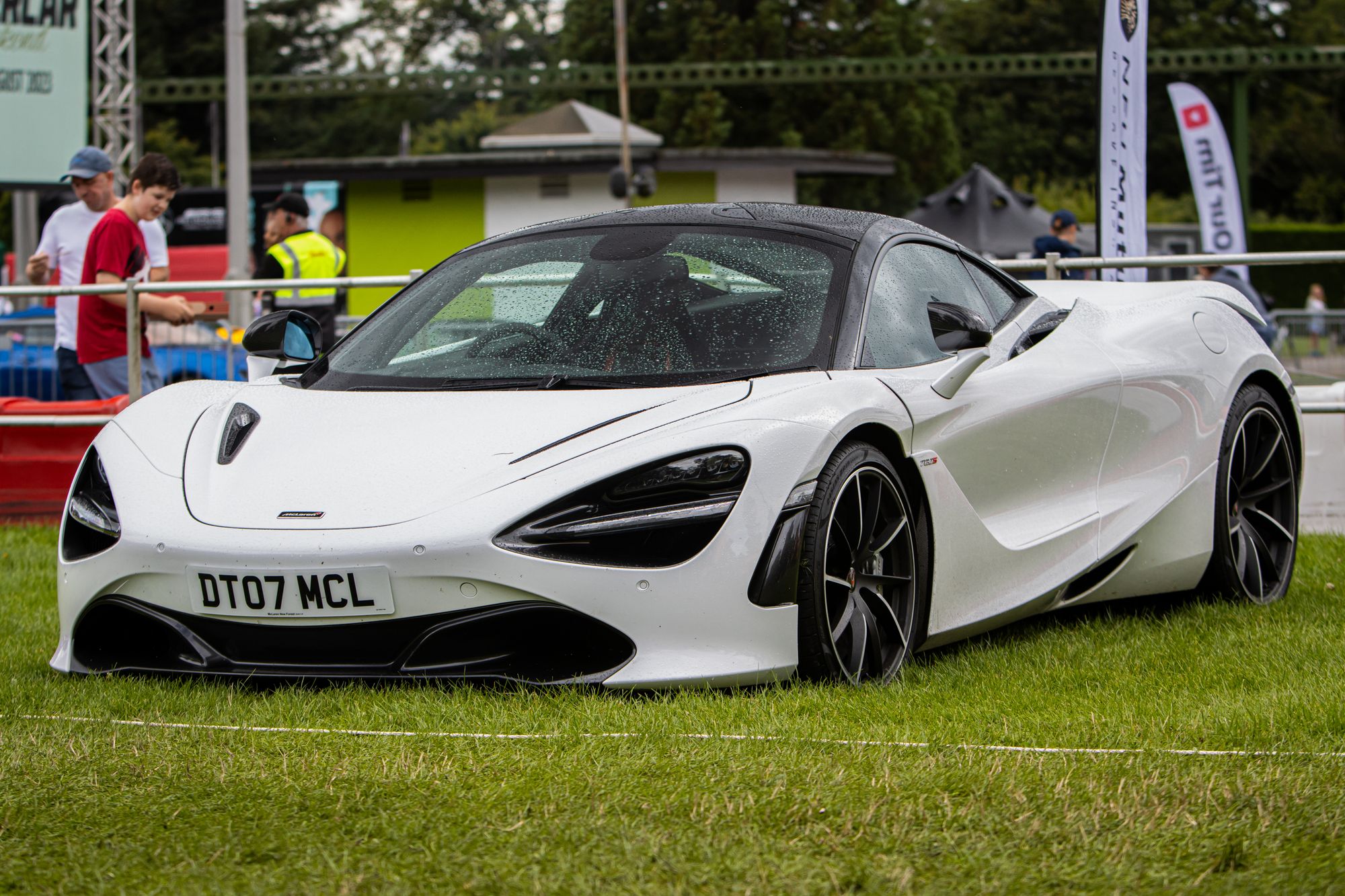
Original MSRP ranged from approximately $284,000 for a Coupe to $315,000 and above for a Spider with meaningful options. Used examples have depreciated substantially — to the point CarBuzz has documented transactions below the price of a new Corvette ZR1X. That curve is the core buying argument: you are acquiring a 710-horsepower, carbon-chassis supercar at a fraction of its original cost, provided you are willing to own the maintenance and reliability risk that accompanies it.
The McLaren 750S arrived as the direct factory replacement. Its development and positioning as the 720S successor has accelerated 720S depreciation further. That is good news for buyers entering the market now. It is also a meaningful consideration if resale value is part of your ownership calculus — you are buying into a replaced model, and the market prices it accordingly.
Specific factors to evaluate when choosing an example:
- Coupe vs Spider: Performance is near-identical. The Spider commands a used market premium that may or may not reflect your actual preference for open-air driving. Do not pay for it unless you will use it.
- Model year: 2019 and later examples are the safer choice at equivalent prices. Early production cars carry more documented risk.
- Options that hold value: McLaren Special Operations paint finishes and the carbon exterior pack retain desirability on the used market more reliably than interior novelty packages.
- Service records: Request them before you negotiate price, not after. A car without a verifiable service history is a fundamentally different purchase — price it accordingly or walk away.
Verdict: Does the 720S Still Win the Numbers Game?
If raw performance per dollar is your primary metric, the used 720S market is currently one of the most compelling value propositions in the supercar segment. The numbers are genuinely difficult to argue against: 710 horsepower, a 2.8-second 0-60, a carbon fiber chassis, and a price point that has collapsed relative to original MSRP. On those terms, it represents exceptional value.
If your priorities include reliability certainty, resale stability, or the brand equity that comes with a Ferrari or Porsche badge, the 720S demands more from you than those alternatives would. That is a legitimate trade-off — not a reason to dismiss the car, but a reason to be clear-eyed about what you are committing to before you write the check.
The 750S replacement confirms that McLaren believes in this platform direction. You are not buying a dead end. You are buying a car whose successor has arrived and whose used values reflect that reality honestly. The 720S rewards buyers who choose their example carefully, understand the true total cost of ownership, and approach the purchase with complete information. If that describes you — and the numbers still work — the 720S makes a case that very few cars at any price point can credibly match.