
The manual transmission isn’t dead — but if you’ve been telling yourself you’ll buy one eventually, eventually needs to become soon. Right now, in 2026, you can still walk into a dealership and drive home a brand-new car with a clutch pedal, but the list of models offering that option has shrunk to roughly 24-25 vehicles in the US market, down from more than 35 just five years ago, and the trend line doesn’t bend back up.
The Manual Is Down But Not Out
Whether you’re a first-time buyer who wants to learn on a new car or a committed enthusiast trying to grab the last generation of real stick shifts before they disappear, this guide tells you exactly what’s left, what it costs, and what you’re giving up. That last part matters: choosing a manual in 2026 means accepting a shorter options list, fewer trim choices on some models, and occasionally softer resale liquidity in a smaller buyer pool. It also means lower transaction prices on most models, a more direct driving experience, and the quiet satisfaction of owning something that is becoming genuinely rare. Both sides of that ledger are real, and you should weigh them honestly before you sign anything.
What follows is a full rundown by segment, a specs comparison table, and a buyer-profile framework to help you make the call.
Who Is Still Offering the Stick: The Brand Breakdown

If you’re serious about a manual transmission in 2026, start with Subaru and Toyota. Together, those two brands account for nearly half of all manual-equipped new cars available in the US market — a remarkable concentration that reflects both brands’ deliberate commitment to driver engagement across multiple model lines. Every other brand on this list contributes one or two models at most.
The other key players are Honda and Acura, punching well above their weight with the Civic Si, Integra, and Integra Type S. Mazda is keeping the MX-5 Miata alive and well. Ford offers the Mustang with a stick. Chevrolet’s Camaro is technically discontinued as a production model, but remaining new inventory may still be found at some dealerships — verify allocation before making a trip. Jeep covers the Wrangler and Gladiator. Hyundai and Kia offer select performance variants. Volkswagen holds on with the Golf GTI and Golf R.
What’s conspicuously missing: no German luxury manuals — BMW, Mercedes-Benz, and Audi have all exited the US manual market. No mainstream pickup trucks with three pedals. Almost no family sedans. The Honda Accord manual is gone. The Subaru Legacy manual is gone. What remains has consolidated almost entirely around sports cars, compact performance cars, and a handful of niche utility models. This list is also US-market specific; buyers in Europe and Australia have access to different and often broader options, including manual diesel variants that never reached American showrooms.
The Full 2026 Manual Transmission Car List by Segment
Sports and Performance Cars
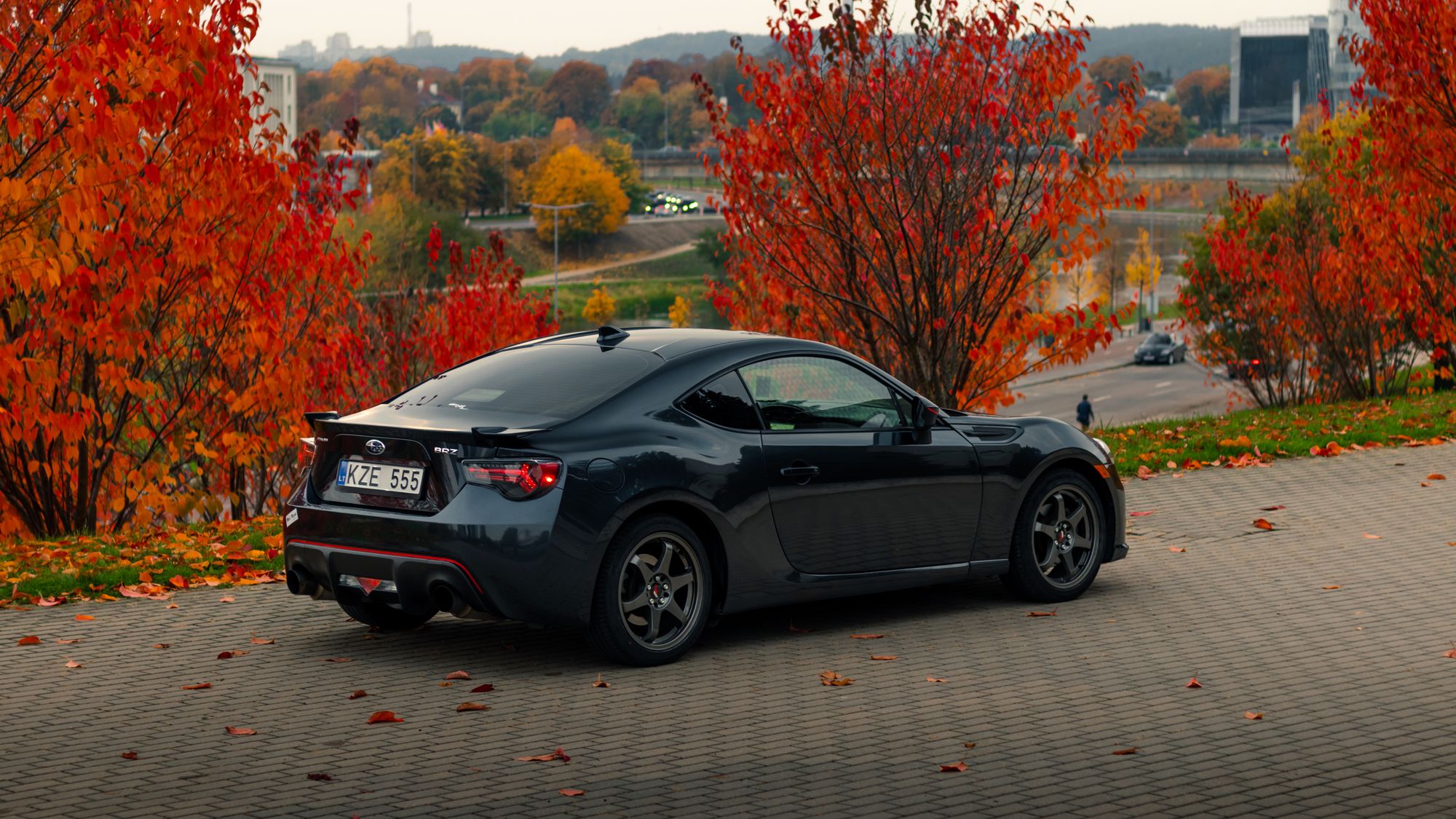
This is where manual transmissions are most at home, and where automakers are protecting them the longest. The segment includes the Ford Mustang EcoBoost and GT, Subaru BRZ, Toyota GR86, Mazda MX-5 Miata, and the Acura Integra Type S. The Porsche 911 continues to offer a seven-speed manual on select trims for buyers who want a stick at the top of the market. If Camaro inventory remains at your local dealer, that counts too — but confirm allocation before you make the drive.
Compact and Sport Sedans and Hatchbacks
This is where the everyday-driver case for a stick shift lives, and often where you’ll find the best value. The Acura Integra starts at $34,695 with a six-speed manual as standard equipment. The Honda Civic Si, Volkswagen Golf GTI, Volkswagen Golf R, Subaru Impreza, and Toyota Corolla round out a segment that delivers real practicality alongside the gearbox you want. Only around 24 new car models offer manual transmissions in 2026, and a meaningful share of them live right here in this everyday-performance category.
SUVs and Off-Roaders
A small but meaningful category. The Jeep Wrangler and Jeep Gladiator are the primary options, and the manual here serves a functional purpose beyond driver engagement. Low-speed crawl control in technical terrain benefits from the precise throttle and clutch modulation a stick shift allows. This isn’t nostalgia; it’s tool selection for a specific use case.
2026 Manual Car Specs Comparison

| Model | Starting Manual Price | Horsepower | Fuel Economy (City / Hwy) | Manual Trims Available |
|---|---|---|---|---|
| Acura Integra | $34,695 | 156 hp | 28 / 36 mpg | Base, A-Spec |
| Acura Integra Type S | $55,195 | 320 hp | 22 / 28 mpg | Type S only |
| Honda Civic Si | ~$30,000 | 200 hp | 27 / 37 mpg | Si (manual standard) |
| Mazda MX-5 Miata | ~$30,000 | 181 hp | 26 / 34 mpg | Sport, Club, Grand Touring |
| Toyota GR86 | ~$30,000 | 228 hp | 21 / 30 mpg | Base, Premium |
| Subaru BRZ | ~$30,000 | 228 hp | 21 / 30 mpg | Base, Limited |
| Ford Mustang | ~$32,000 | 315 hp (EcoBoost) | 21 / 32 mpg | EcoBoost, GT |
| VW Golf GTI | ~$32,000 | 241 hp | 24 / 32 mpg | S, Autobahn |
| Jeep Wrangler | ~$34,000 | 270 hp | 17 / 23 mpg | Sport, Willys |
| Subaru Impreza | ~$23,000 | 152 hp | 28 / 36 mpg | Base |
Prices and EPA estimates are approximate and subject to regional variation. Confirm current figures with your dealer before purchase. The Chevrolet Camaro is excluded from the table as new-car production has ended; remaining dealer stock varies by location.
The Real Costs: Price, Fuel Economy, and What You Are Giving Up

In most cases the manual is either standard equipment or a no-cost option, so you’re paying the same or less than the automatic equivalent. The Acura Integra’s $34,695 entry point is a legitimate deal for a performance-oriented compact — you are not paying a premium for the gearbox. That’s genuinely good news for your budget.
Fuel economy is where old conventional wisdom breaks down. The efficiency advantage of three pedals over an automatic used to be a near-certainty. It no longer is. Modern eight-, nine-, and ten-speed automatics, plus CVTs tuned specifically for efficiency, frequently match or beat manual MPG figures on EPA tests. Run the numbers on your specific model rather than assuming the stick shift wins on mileage. Sometimes it does. Often it doesn’t. Check the window sticker for both configurations before drawing conclusions.
The more significant hidden cost is resale value and market liquidity. Manuals appeal to a smaller buyer pool, which can soften trade-in offers at traditional dealerships. That said, collector demand for low-mileage manual examples of discontinued models is quietly climbing — discontinued manual variants of mainstream cars have already begun carrying small premiums in the used market. If you’re buying a manual version of something likely to go automatic-only in its next refresh, long-term value may hold better than today’s spreadsheet suggests.
The hidden tax you’re least likely to anticipate is trim restriction. On several models, the manual is only available in base or mid-level configurations. That can mean forgoing adaptive cruise control, a premium audio system, or a full driver-assistance suite to get the gearbox you want. Study the trim chart carefully before you fall in love with a specific configuration.
Reliability and the Maintenance Reality

Manual transmissions are mechanically simpler than modern dual-clutch or torque-converter automatics. When something does go wrong, a rebuild is typically less expensive and independent repair options are wider. The realistic ongoing cost to plan for is clutch replacement — expect it somewhere between 60,000 and 100,000 miles depending on how you drive, your commute terrain, and whether you’re still refining your technique. If you’re new to manuals, that interval may be shorter on your first set.
Models with the longest documented track records in manual form — the Mazda MX-5 Miata, Subaru BRZ, Toyota GR86, Jeep Wrangler — have established owner communities and parts ecosystems that meaningfully reduce long-term ownership risk. Thousands of owners before you have already identified the failure points and the solutions. You are not pioneering anything with these cars.
One thing to resist: conflating “manual transmission” with “reliable car overall.” The gearbox is one component. Check J.D. Power and Consumer Reports data for the specific model you’re considering, not just the drivetrain type. A reliable manual car is a car with solid overall reliability ratings that also happens to have a manual. You need to check both boxes independently.
The Best Manual Cars for Different Buyer Profiles
Best value for a daily driver: Honda Civic Si or Acura Integra. Both offer genuine performance, reasonable starting prices, Honda’s long reliability record, and enough practicality to handle grocery runs and highway commutes without punishing you. The Integra in particular is difficult to argue against at $34,695, given what you get in standard equipment and standard gearbox.
Best pure driving experience under $35,000: Mazda MX-5 Miata or Toyota GR86 / Subaru BRZ. Lightweight, rear-wheel-drive, with shifters that feel genuinely connected to something. The trade-off is limited cargo space and minimal rear-passenger room on the coupes, and no rear seat at all in the Miata. These are driver’s cars first. If you can live with that constraint, either will reward you every time you point them at a winding road.
Best for off-road utility: Jeep Wrangler. The manual isn’t here for lap times — it’s here because precise clutch modulation in low-speed technical terrain is a functional advantage, not a stylistic one. The Wrangler is also one of the last places in the new-car market where a stick shift makes a practical argument rather than purely an emotional one.
Best performance flagship: Acura Integra Type S at $55,195. Serious power, a six-speed manual as the only transmission offered, and Honda’s engineering behind it. This is one of the last examples of a Japanese performance car with a proper gearbox at this price point, and it will not be available in this form forever. The enthusiast community has taken notice, and the attention is warranted.
Should You Buy One? The Honest Bottom Line
If driving engagement is genuinely important to you and you’re willing to work within a constrained options list, 2026 is a legitimately good time to buy a new manual. Prices haven’t spiked relative to automatic equivalents. Inventory exists across most of these models. You’ll still get a full factory warranty and modern safety technology on the majority of options listed here. The case is real and not merely sentimental.
If you’re buying primarily on rational grounds — best resale liquidity, maximum features per dollar, optimal fuel economy — a modern automatic or CVT will win the spreadsheet comparison more often than not. There is no shame in that conclusion. Buy the car that fits your actual life.
But the trend is unambiguous: more than 35 manual models were available five years ago; roughly 24 to 25 exist today, and the curve does not point back up. The selection of stick-shift cars continues to contract with each new model cycle. If you’ve been waiting for the right moment, this is closer to the last moment than you probably realize. Cross-reference this list against your commute, your parking situation, and your budget, then go drive your short list before the model you want follows the Subaru Legacy and Honda Accord manual into the history books. The window is real, and it is closing.